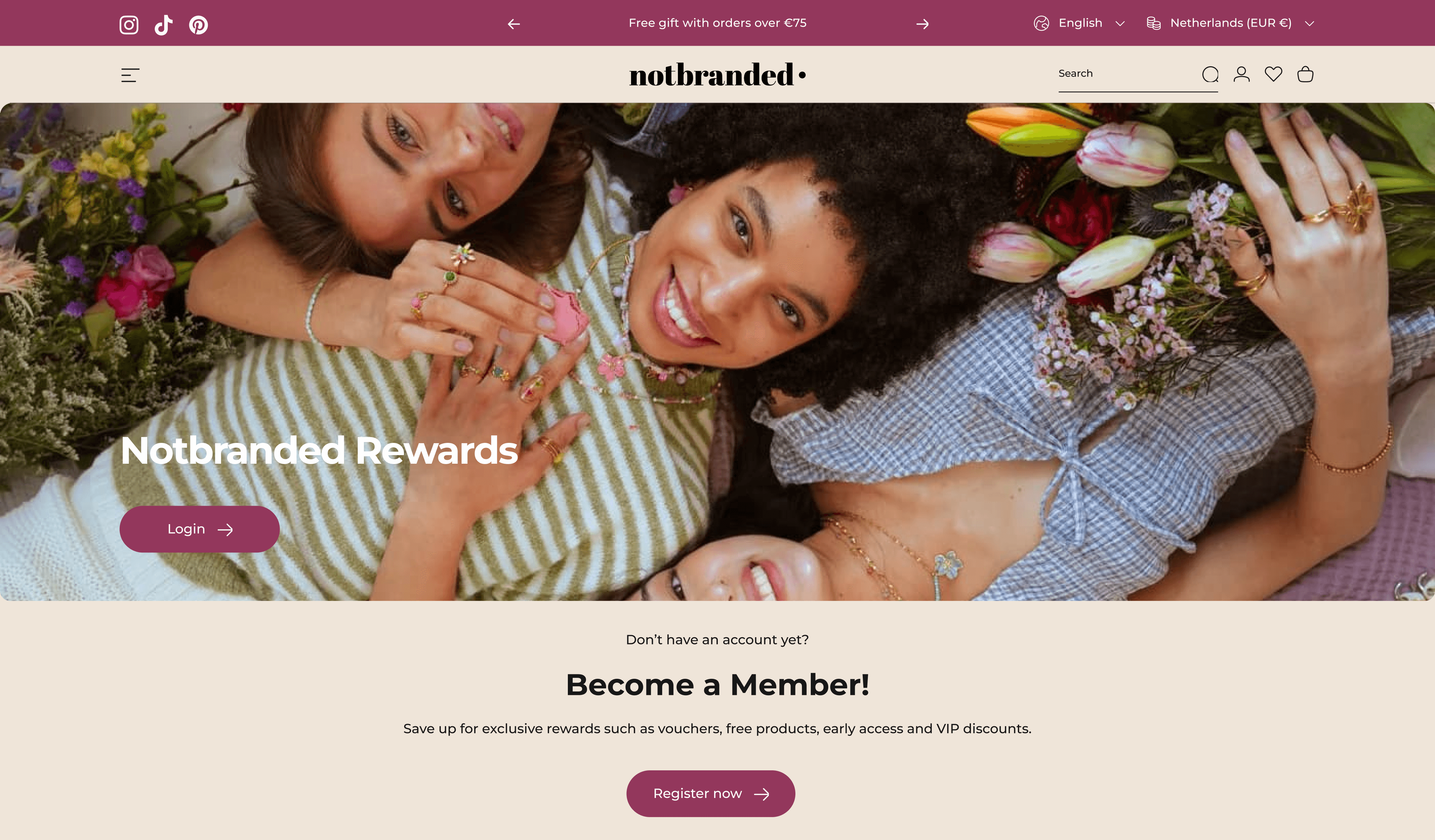


Notbranded sells affordable jewelry and accessories, earrings, necklaces, bracelets, watches, a category built on frequent, low-cost purchases where customer loyalty is easily split across several brands at once. Notbranded Rewards answers that with something most tiered programs keep vague: a publicly stated, exact spend threshold to reach Gold. Here's how the blueprint is structured, and why telling customers precisely what it takes to level up matters more than it might seem.yo
The Problem This Blueprint Solves: Consolidating Spend in a Low-Switching-Cost Category
Affordable jewelry is an easy category to shop around in: nothing structurally ties a customer to one retailer over another. A loyalty program here needs a concrete, motivating reason to keep coming back to the same brand rather than splitting purchases across several.
The Blueprint: Three Layers of Loyalty
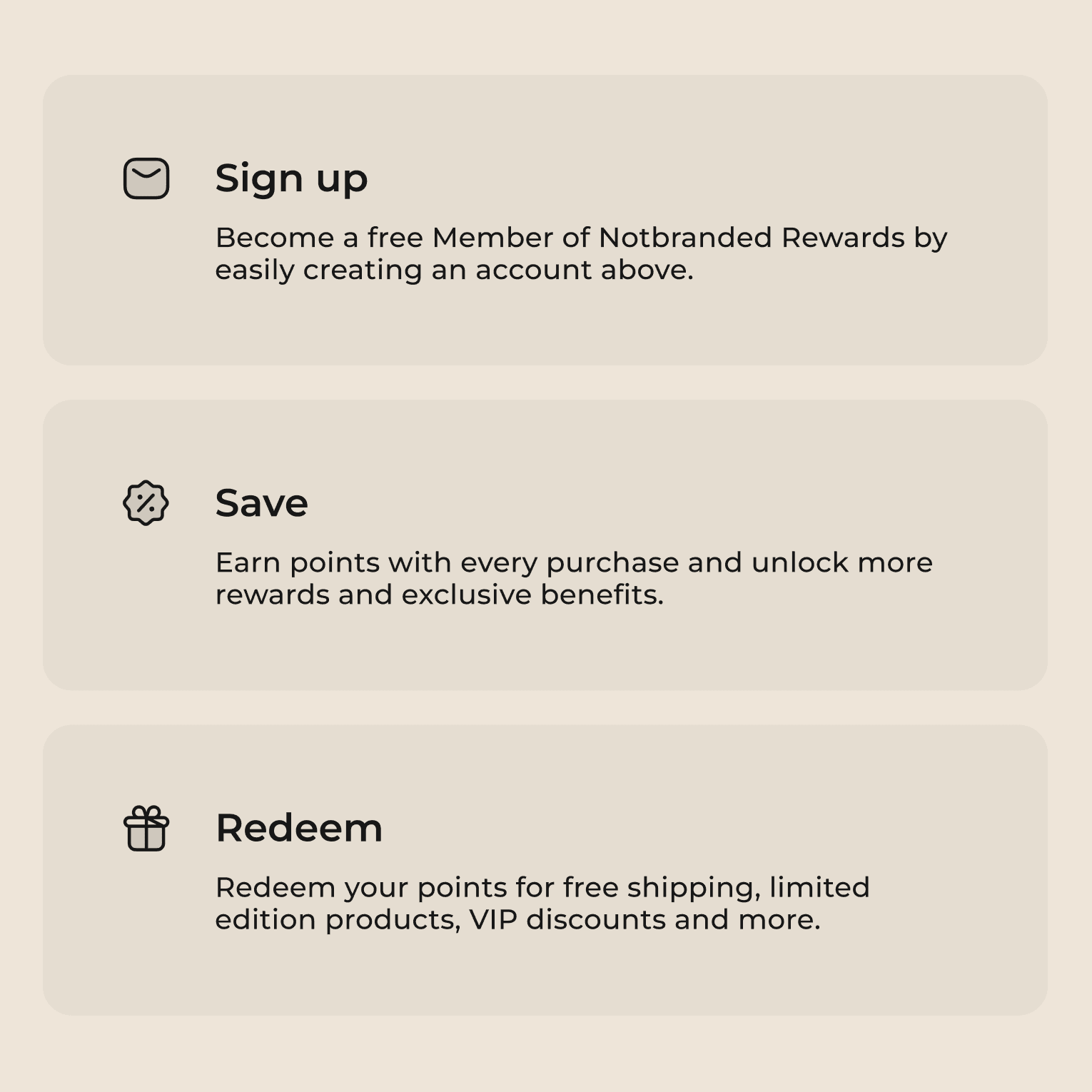
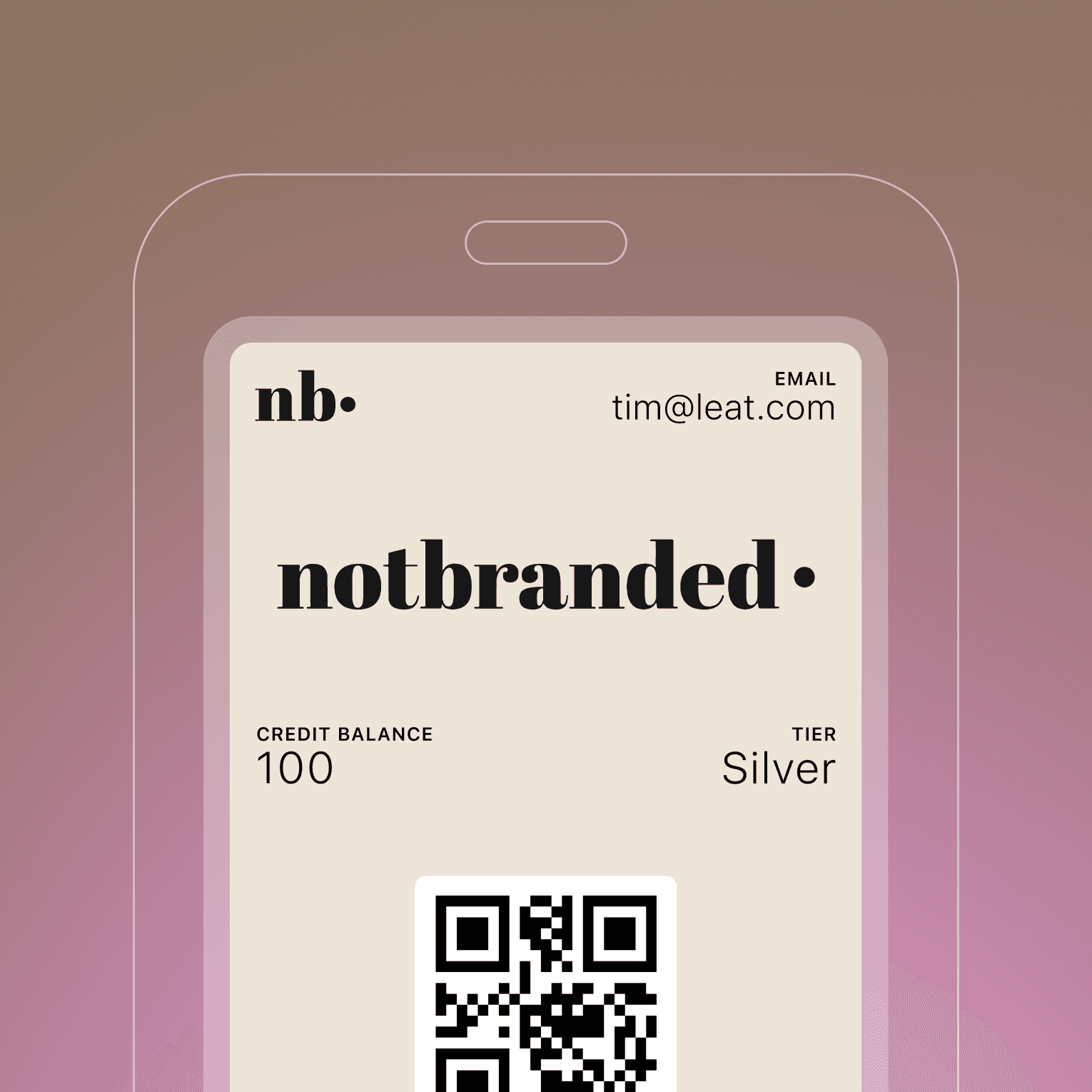
Layer 1: Transactional Loyalty Membership is free via account registration. Silver, the starting tier, earns 1 point per €1 spent, plus 25 points for creating an account, 25 for a newsletter signup, and 10 for each social platform followed.
Layer 2: Behavioral Loyalty Reaching Gold is a clearly published milestone: spend €200, and the earn rate rises to 1.5 points per €1. Because the threshold is stated outright rather than hidden, members know exactly how much further they have to go.
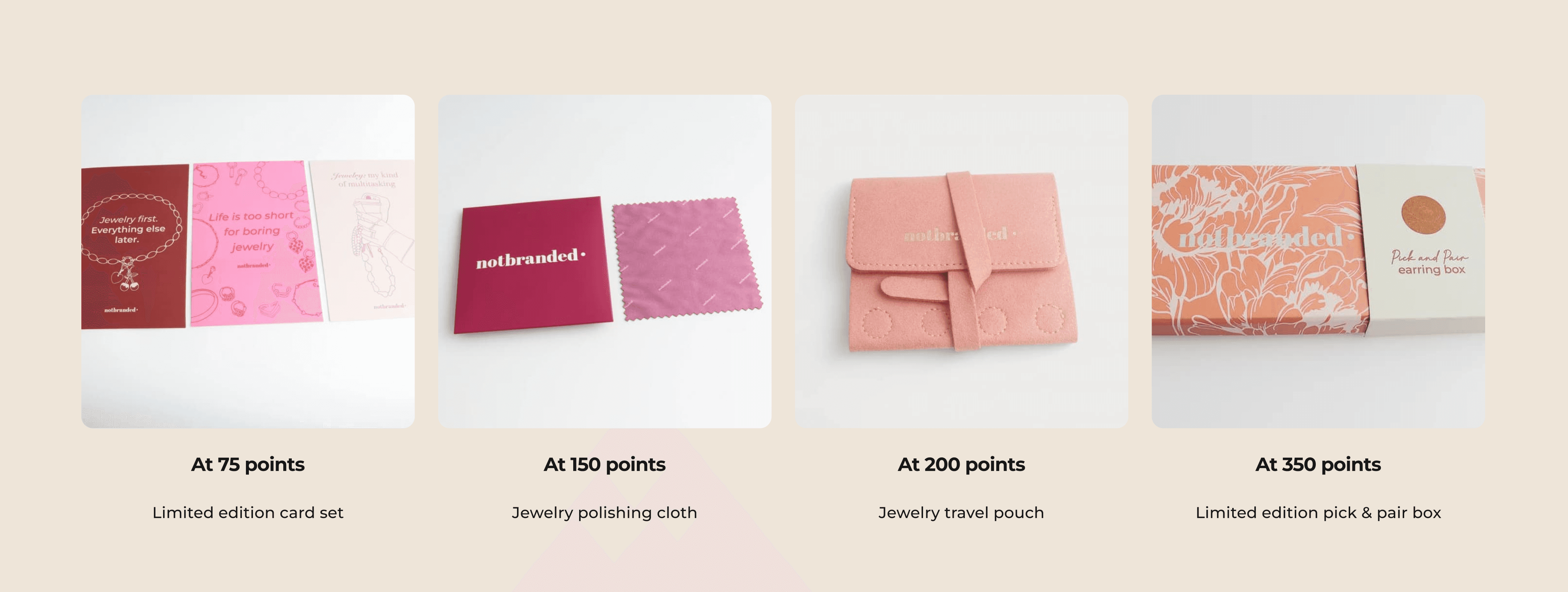
Layer 3: Emotional Loyalty A birthday bonus of 75 points applies at both tiers, and redemption stays accessible and frequent rather than aspirational: a card set at 75 points, a polishing cloth at 150, a travel pouch at 200, a pick & pair box at 350, all reachable within a few purchases, which suits a category built on frequent, smaller transactions.


What This Blueprint Achieves
By publishing the exact spend threshold for its top tier, Notbranded turns tier progression into a visible, achievable goal rather than a mystery, a small transparency choice that makes the whole ladder feel more motivating.
The Takeaway
Notbranded shows that hiding a tier threshold isn't always the right call. For a low-average-order category where customers are naturally splitting spend across brands, a clear, public number to work toward can be more persuasive than a vaguer, more "exclusive" framing.