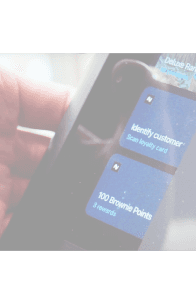

Your customers don't differentiate between your website, your store, or any other channel. To them, your brand is just one single entity - and they expect it to behave as one.
Despite that, too many brands settle for channels behaving totally differently (or not at all) when it comes to their loyalty program. This causes friction for customers, wears down customer loyalty, and costs you revenue. If a customer buys from you online or in-store, they expect their loyalty experience to reflect that transaction the second it's completed, not hours later. The only move forward is to get rid of fractured and disconnected loyalty systems and shift to a unified, omnichannel strategy.
So, what is omnichannel loyalty?
Omnichannel loyalty is all about providing a single, seamless loyalty experience across every touchpoint that you own. An omnichannel loyalty program makes sure that, no matter where a customer buys, they are participating in the same ecosystem and have the same experience each time. It also means no data silos, so you have a bidirectional flow of data between your loyalty system and your POS, e-commerce platform, kiosks, WiFi, you name it. It's all about making your loyalty experience seamless, connected, and aware of user behavior in real time.
The new angle: unified loyalty
While many platforms claim to offer "omnichannel" features, the industry reality is often just a patchwork of messy plugins that don't talk to each other. Leat is pioneering the shift toward true, unified loyalty.
We've developed native, deep integrations with all major POS, e-commerce, and marketing platforms, prioritizing complete bidirectional data flow across your entire tech stack. The exact millisecond an action occurs, whether it's a redemption, a referral, or earning points, Leat unifies that customer data instantly. You get a single, real-time source of truth regarding customer behavior, allowing you to engage customers with a highly personalized experience that reacts to how they actually shop.
Why your program needs to be integrated across every channel
Operating a fragmented, non-integrated rewards program isn't just an operational headache, it actively damages your customer retention and drains revenue. Consumers have zero tolerance for disconnected brand experiences.
The financial upside of fixing this gap is massive. Research consistently proves that omnichannel customers spend roughly 4% more in-store and 10% more online compared to single-channel shoppers. Furthermore, companies that successfully build a strong omnichannel loyalty strategy enjoy an average 91% higher year-over-year customer retention rate than businesses that keep their platforms siloed.
When you fail to connect your channels, you leave vital customer data on the table, push buyers toward competitors who offer an easier journey, and miss out on the increased customer lifetime value that comes naturally with a unified presence.
How does omnichannel loyalty differ from traditional loyalty programs?
To be blunt, comparing omnichannel loyalty to traditional loyalty programs is a mistake. In the modern retail and hospitality landscape, a unified experience is no longer an upgrade or differentiator; it's just what customers have come to expect.
'Traditional' rewards programs belong to a bygone era. They relied on physical punch cards, isolated desktop accounts, or clunky systems where online points couldn't be spent in a physical store. Today, consumers view those limitations as a broken customer experience. Omnichannel loyalty removes the division entirely. Instead of forcing your customer base to adapt to your operational limitations, a unified platform adapts to your customers' lifestyles, delivering the frictionless, real-time rewards experience they demand.
Common challenges of making a loyalty program truly omnichannel
Transitioning from a basic rewards program to a fully unified omnichannel ecosystem sounds straightforward on paper, but executing it flawlessly on the shop floor comes with distinct hurdles. Most brands run into massive tech walls because their existing systems simply weren't built to talk to each other.
1. The integration void between legacy tech
The most immediate roadblock is the lack of native, plug-and-play integrations between different platforms. Your e-commerce store, your physical store POS, and your email marketing system are often built by completely different software vendors. If these platforms don't have built-in bridges to communicate, your customer loyalty program ends up isolated on a digital island, forcing your staff to manage manual workarounds.
2. The data delay dilemma
Many traditional loyalty systems rely on batch-uploading data, syncing customer transactions once a day or even once a week. This lag creates a broken customer experience. If omnichannel customers buy an item online and walk into your physical store an hour later, they expect to see their updated points balance on their phone. When data isn't updated in real time, it causes confusion at the counter and severely damages customer trust.
3. Disconnected earning and redemption mechanics
Different sales channels often have completely different operational constraints. An online store handles discounts via promo codes at checkout, while a brick-and-mortar register requires scanning a barcode or typing in a phone number. If your loyalty platform cannot translate these distinct mechanics seamlessly behind the scenes, customers face friction when they try to earn points or redeem vouchers across different environments.
4. Fragmented customer identities and duplicate profiles
Without a single source of truth, a single user can easily end up with duplicate profiles—one linked to their email address on your Shopify store, and another linked to their phone number at your physical store register. This fragmentation makes it impossible to accurately track customer behavior or deliver a truly personalized experience, as your data stack splits one loyal advocate into two entirely separate shoppers.
5. App fatigue and low customer adoption
Forcing customers to download a dedicated mobile app just to participate in your rewards program is a losing strategy. Users are highly protective of their phone's storage and home screen real estate. If your omnichannel strategy relies on a heavy, clunky app, your sign-up numbers will plummet, leaving you with an expensive piece of software that nobody actually uses.
6. Siloed marketing communications
When your loyalty data is separated from your core marketing strategies, your messaging becomes repetitive or completely irrelevant. If a customer just bought a pair of shoes in your store, your automated email system shouldn't send them a discount code for those exact same shoes the next morning. Omnichannel loyalty requires your data to flow instantly into your communication tools to keep your messaging contextual.
Why it all comes down to your loyalty platform/software
Overcoming these operational hurdles isn't about hiring an expensive team of developers to write custom code. It entirely depends on choosing a modern loyalty platform that acts as the foundational engine for your entire business.
Native, built-in integrations
You should never have to build custom API connections just to get your website to talk to your physical registers. A premium loyalty platform like Leat comes with extensive, deep integrations already built out of the box with over 80 major platforms like Shopify, Lightspeed, and Klaviyo. This ensures that the moment you install the software, a secure, permanent bridge is established across your entire ecosystem without any technical headaches.
Bidirectional data flow in real time
To provide the seamless rewards experience that modern consumers expect, data cannot move in a single direction or on a delayed schedule. The underlying software must prioritize instant, bidirectional synchronization. When an omnichannel customer interacts with your brand—whether they scan a QR code at your counter, view a digital pass in their mobile wallet, or engage with your brand on social media—the data must update universally the exact millisecond the action occurs.
Centralized management and control
A unified platform replaces a messy web of different logins with one single, intuitive dashboard. This centralized hub gives you full, granular control over your entire rewards architecture, allowing you to configure point values, design branded mobile wallet passes, and monitor your overall redemption rate across all channels simultaneously. It takes the operational friction out of retention marketing, letting you scale your active customer base and protect your profit margins on autopilot.
Low friction in-store and online
Instead of fighting the low adoption rates of standalone mobile apps, a sophisticated loyalty platform utilizes the native tech your customers already use every day: Apple Wallet and Google Wallet. By allowing members to save a digital loyalty card straight to their pre-installed device wallets, you eliminate the barrier of entry. You gain a direct, zero-cost communication channel onto their lock screens, complete with location-based push notifications, using a tool they never leave home without.
5 steps to implement an omnichannel loyalty program
Building a truly connected rewards experience isn't about stringing together a dozen different platforms with tape and prayers. It requires a deliberate, structured approach that removes technical friction from day one. If you want to successfully unite your digital and physical channels into a single retention engine, follow this roadmap.
1. Map out your customer touchpoints
Before touching any software, audit every single place your audience interacts with your brand. Write down everything: your e-commerce storefront, physical store registers, social media profiles, and your email or SMS marketing tools. Recognizing every environment where an omnichannel customer might want to earn points or use vouchers ensures you won't leave any gaps in your strategy.
2. Establish real-time data connections
This is the core integration phase, where most programs fail. Connect your primary sales channels using a loyalty software platform that supports instant, bidirectional data flow. Your online shopping cart and your physical store POS must pull from the exact same customer database. This prevents data delays, meaning if someone earns points at lunch in your store, they can see that balance reflected online immediately.
3. Design a smooth onboarding or subscription path
Do not force users to type out massive forms or navigate clunky mobile apps. Set up a universal digital loyalty card that can be added to Apple Wallet or Google Wallet with a single click. Deploy scannable QR codes across your physical store locations—on menus, tables, and receipts—allowing brick-and-mortar foot traffic to join your program on their phones in under five seconds.
4. Unify your earning and redemption rules
Ensure your rewards architecture functions identically across all touchpoints. A $10 voucher should look and behave the same whether it is scanned off a lock screen at a physical counter or pasted into a promo code box online. Aligning these rules prevents confusion for both your customer base and your front-line checkout staff.
5. Trigger automated, contextual communication
Feed your unified customer data directly into your marketing tools to personalize your customer experiences. Set up automated triggers that treat your audience like individuals. For example, use geofencing to send a push notification to a member’s lock screen when they walk past your physical store, reminding them of an active points balance they can spend inside.
KPIs to evaluate your omnichannel loyalty program
You can't optimize what you don't measure. Running a unified loyalty system gives you access to rich, cross-channel customer data, but you need to know which numbers actually move the needle for your business. Here are some key metrics to hone in on:
Cross-channel purchase frequency: Track how often members buy from both your physical store and online site. Omnichannel loyalty strategies should actively encourage customers to explore channels they haven't used before, lifting their overall buying frequency.
Program enrollment velocity: Measure how quickly new users are signing up for your rewards program across different touchpoints. If your in-store QR code scans are lagging compared to online sign-ups, your brick-and-mortar onboarding path might need clearer signage.
Voucher redemption rate: Keep a close eye on the percentage of issued rewards that customers actually redeem. A healthy, frictionless program typically sees a spike in its redemption rate because members can easily access their passes right from their mobile wallets at checkout.
Customer Lifetime Value (CLV) lift: Compare the long-term monetary value of your loyalty members against non-members. This gives you the ultimate proof of ROI, showing exactly how much extra revenue a unified, personalized experience drives to your bottom line.
Final word
Achieving true omnichannel loyalty is all about creating that invisible thread that binds your entire brand together, allowing your business to finally act as the single entity your customers expect. By adopting the right loyalty platform, you can easily facilitate real-time data syncs and instant mobile wallet access, so you're not guessing your retention rates anymore and can build a seamless, automated growth engine that keeps your audience coming back.