
A basic "spend one euro, get a point" program no longer has the punch it used to. It treats your most dedicated brand advocates the exact same way as a first-time browser. When everyone is grouped into the same bucket, your rewards lose their luster, and your program quickly becomes white noise.
To break through this fatigue, high-growth brands are turning to a tiered loyalty program. By transforming customer retention into an engaging, milestone-driven game, a structured tier-based loyalty program shifts your customers' focus from a single discount to an ongoing journey. It taps into the psychology of status and progression, turning everyday shopping into a goal-oriented habit where the rewards get sweeter with every step.
What is a tiered loyalty program?
A tiered loyalty program is a structured rewards system where customers are grouped into different levels or tiers based on their engagement, spend, or purchase frequency over a set timeframe.
Unlike flat, single-level rewards programs, a tiered rewards program scales its value. As customers cross specific spending milestones or complete set behaviors, they graduate to higher levels. With each level they unlock, they gain access to increasingly valuable rewards and benefits, VIP perks, and exclusive benefits that are completely out of reach for entry-level shoppers.
Essentially, this model acts as a ladder. The first step has a low barrier to entry, making it incredibly easy for any casual shopper to join and start earning points. But as they look up the ladder, they can clearly see the premium lifestyle perks, early access to sales, and status symbols waiting for them at the top. This transparent progression naturally encourages repeat purchases as customers actively chase the next tier status.
How do tiered programs compare to point-only programs?
While both models aim to reward customers and drive repeat business, their underlying psychological triggers and operational outcomes are vastly different.
Point-only programs: These operate on a strictly transactional, flat plane. A customer buys, earns points, and redeems them for a dollar-off coupon. Once the points are spent, the slate is wiped clean. There is no sense of momentum, no status, and very little brand affinity. It is a highly price-sensitive mechanism that can easily be copied by a competitor offering a slightly bigger coupon.
Tiered loyalty programs: These introduce status, gamification, and social proof. While members are still earning points, they are also climbing a permanent or semi-permanent ladder. The reward isn't just a transactional discount; it's the feeling of belonging to a "VIP Club" or holding top-tier status.
Point-only programs are great for basic transactional tracking, but they struggle to build true emotional loyalty. A tier system, however, targets the human desire for status and progression. It turns engaged customers into proud brand advocates who will actively choose to shop with you, even if a competitor is closer or cheaper, simply to protect their premium tier status and the curated perks that come with it.
Examples of tiered loyalty programs
The best way to understand how to structure your tiers is to look at how leading brands using Leat leverage this psychology to keep their audiences hooked.
1. SushiDog (The Gamified Culinary Ladder)
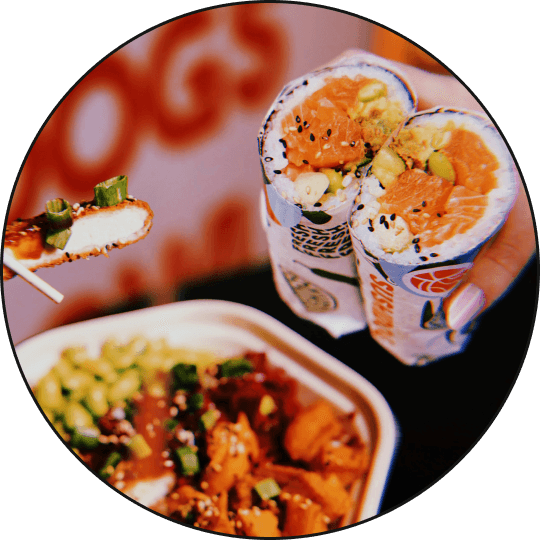
SushiDog, a fast-casual brand famous for its giant sushi rolls, uses a brilliantly gamified, tier-based loyalty setup to turn casual lunch-goers into daily regulars. By integrating their system directly into mobile wallet passes, they make progression incredibly visual.
Members progress through levels based on their visit frequency, unlocking free rolls, custom merchandise, and birthday surprises. Because their target audience is in a high-frequency, fast-paced environment, SushiDog keeps the milestones clear and the rewards immediate, making their brand the automatic choice for the lunch rush.
2. A Fish Named Fred (The "Fred" Club of Quirky Sophistication)
Known for their bold, eccentric apparel, fashion brand A Fish Named Fred uses their tiered program to build an exclusive community of style advocates. They don't just offer standard discounts; they lean heavily into status.
As loyal customers climb their creative tiers, they unlock experiential perks like invites to VIP launch parties, limited-edition product collaborations, and personalized styling sessions. This aligns perfectly with their brand identity, making their top-tier members feel like true insiders of an exclusive, stylish club.
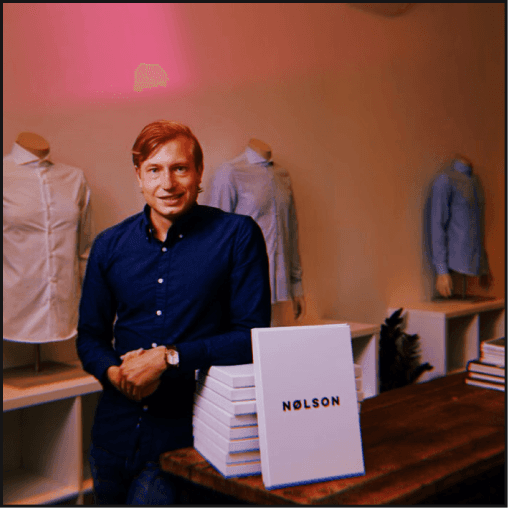
3. Nølson (The High-End Menswear Circle)
Premium shirtmaker Nølson uses a structured tier system to reflect the refined, high-quality nature of its products. They understand that their customers value craftsmanship, luxury, and smooth shopping experiences.
Nølson’s tiers reward spending with high-value perks such as early access to sales, free premium alterations, and invitations to private styling evenings. By aligning their tiers with luxury and convenience rather than cheap markdowns, they protect their premium margins while making their highest-value customers feel exceptionally looked after.
4. Sephora Beauty Insider (The Global Beauty Standard)
No discussion on tiers is complete without Sephora. Their "Insider," "VIB," and "Rouge" tiers are legendary.
While entry-level "Insiders" get basic points, "Rouge" members (who must spend $1,000+ a year) unlock premium, non-monetary perks like free custom makeovers, exclusive invitations to product launches, and early access to highly anticipated sales. Sephora has successfully turned their top tier into a massive social status symbol that beauty enthusiasts actively brag about on social media.
5. Uber One (The Multi-Service Premium Tier)
Uber One is a fantastic hybrid model that blends a paid membership with a tiered engagement structure.
Members pay a recurring fee to instantly unlock top-tier status across both rides and food delivery, enjoying flat-rate discounts and priority dispatch. By using a subscription to bypass the slow climb of traditional tiers, Uber secures immediate, high-frequency usage across their entire ecosystem, keeping users locked into their platform for all their transport and dining needs.
When is a tiered loyalty program right for your brand?
Structuring your rewards into levels is a powerful way to engage users, but it is a strategic commitment. A tiered loyalty system is most effective when your business model fits specific behavioral and financial patterns:
You have a wide variance in customer spending
If your top 10% of customers are driving 50% of your revenue, a flat program is wasting your margins. A tier system allows you to disproportionately reward your highest-value buyers without over-spending on casual, low-margin shoppers.
Your products naturally support repeat purchases
High-frequency industries like fashion, cosmetics, food and beverage, or travel are perfect for tiers. When customers naturally buy every few weeks, the milestones feel achievable and top-of-mind.
You want to build emotional connections, not just run sales
If you want your customers to stay loyal because they love your community, status, and service, offer the prestige and exclusive treatment that price-sensitive points systems cannot match. Don't just throw a discount code at them and hope for the best.
You have high-value experiential perks to offer
If you can offer non-monetary rewards like early access to sales, private styling sessions, or VIP community events, you have the perfect fuel to motivate people to climb to higher levels.
The benefits of tiered loyalty for businesses
Implementing a structured tier system is one of the most effective marketing strategies to supercharge your bottom line. Here is how it drives business growth:
1. Exponentially higher customer retention
By introducing milestones, you give customers a compelling reason to stay. A tiered rewards program creates a powerful switching cost: if a customer moves to a competitor, they are forfeiting their hard-earned VIP status and the exclusive benefits that come with it.
2. Drastically increased average order value (AOV)
When customers are close to crossing into a higher tier, their buying behavior shifts. They will actively add extra items to their cart or upgrade their purchases simply to cross the spending threshold. The desire to unlock the next level naturally pushes up transaction sizes.
3. Highly predictable customer segmentation
Tiers automatically organize your customer base for you. Instead of manually running complex databases, your tier members are already grouped by value. This makes it incredibly simple to send highly targeted, hyper-personalized campaigns based on real transactional behavior.
4. Protected profit margins
Traditional rewards programs hurt your margins because they give discounts to everyone. With tiers, you can reserve heavy discounts and premium perks strictly for your top tier customers, while giving lower-cost, high-perceived-value rewards (like content or community access) to entry-level members.
5. Increased customer lifetime value (LTV)
Because the rewarding system gamifies the shopping experience, it keeps engaged customers buying over a much longer period. Instead of a quick spike in sales from a one-off campaign, tiers build a self-sustaining engine of repeat purchases that increases overall LTV on autopilot.
The benefits of tiered loyalty programs for customers
For consumers, climbing a tiered ladder is satisfying, rewarding, and highly personalized.
1. Recognition and social status
We all like to feel special. Graduating to a premium tier gives loyal customers a feeling of accomplishment and status. Holding a premium, digital VIP card in their mobile wallet is a subtle but powerful psychological badge of honor.
2. A clear, gamified journey
Points programs can feel endless and boring. Tiers introduce a fun, interactive progress bar. Customers know exactly where they stand, what they have achieved, and precisely what they need to do to unlock the next level of rewards.
3. Immediate gratification at entry level
A great tier system ensures that even Bronze or Level 1 members feel welcomed immediately. By offering a small, instant reward just for signing up, you give them a taste of the VIP experience and build early trust.
4. Access to highly curated, exclusive experiences
As members reach higher levels, their rewards shift from simple coupons to unforgettable experiences. Whether it is a VIP tasting menu at a restaurant, a private chat with a designer, or a backstage pass, these perks create memories that build lifelong affinity.
5. Highly personalized treatment
Because your tier status dictates how the brand interacts with you, the overall customer experience feels incredibly tailored. Premium members receive communications, product recommendations, and rewards that match their high-value relationship with the brand, making them feel genuinely understood.
Best Practices When Setting Up a Tiered Loyalty Program
Designing a tiered system requires a strategic balance between fun gamification and commercial reality. If your levels are too easy to reach, your margins will suffer; if they are too difficult, your customers will lose interest.
To build a high-converting tiered rewards program, incorporate these essential best practices:
1. Make loyalty tiers and progression criteria as clear as possible
Complexity is the enemy of conversion. If a customer cannot explain how to reach your next level in a single sentence, they will stop trying. Use simple, intuitive names for your tiers (such as Bronze, Silver, and Gold, or names that directly match your brand’s universe). Display their progress visually, such as a progress bar in your customer portal, so they always know exactly how close they are to the next milestone.
2. Configure your progression criteria based on your goals
Do not just copy what another brand is doing. Set up your tier milestones to solve your specific business challenges:
To increase basket sizes: Set your tier thresholds based on lifetime or annual spend (e.g., spend $500 to unlock Tier 2).
To build daily/weekly habits: Base your tiers on visit frequency or total transactions, regardless of the order value (e.g., visit 10 times to unlock Tier 2).
3. Offer immediate incentives to give the idea of immediate progress
The hardest part of any journey is the first step. If a customer signs up for your program and starts at zero with a blank progress bar, the mountain can feel too high to climb. Give them an immediate "welcome drop" of points or an instant entry-level reward. By giving them a head start, you trigger the endowed progress effect, a psychological phenomenon where people are much more likely to complete a goal if they feel they have already made progress toward it.
4. Unify your loyalty program across every channel
Your tier status must be recognized everywhere. If a customer climbs to your VIP level while shopping online, they expect to receive that same premium treatment when they walk into your physical boutique or order through your mobile app. By utilizing Leat’s unified loyalty platform, your POS, e-commerce store, and digital wallet passes share a single, real-time database. The moment a customer upgrades, their status is updated globally.
5. Personalize the loyalty experience based on tiers and purchase data
Do not send the exact same marketing emails to your entry-level members and your VIPs. Use your tiers to tailor your messaging. Send your entry-level tier members educational content and points-accelerator campaigns to nudge them forward. Meanwhile, treat your top tier with highly personalized, direct communications, early product previews, and personal check-ins that acknowledge their status.
6. Incorporate gamification with leaderboards and challenges
Tiers are naturally gamified, but you can turn up the engagement by introducing time-bound challenges. For example, run a weekend challenge like: "Visit twice this weekend to earn double progress toward your next tier." You can also introduce friendly leaderboards or visual badges that celebrate milestones, making the climb feel less like a transaction and more like a game.
7. Offer experiential rewards
At the entry level, financial rewards (like 10% off) work well to build momentum. But as customers reach your highest tiers, switch the focus to experiences. Offer perks that money cannot buy: private dining tables, complimentary alterations, invite-only community events, or direct access to your founders. These experiential rewards cost less to deliver but hold a massive perceived value that builds unbreakable emotional connections.
8. Set a transparent tier-validity window
To keep your program sustainable, tier status should not last forever. Introduce a fair rolling window (such as 12 months) where customers must maintain their spending level to keep their tier. This creates a healthy, ongoing incentive to keep shopping. Be sure to send automated, friendly warnings via email or push notifications when a customer’s status is about to slip (e.g., "You're only $40 away from keeping your Gold status for another year!").
9. Celebrate the moment of graduation
When a customer finally crosses a milestone and unlocks a new tier, make a big deal of it. Do not let it happen silently in the background. Send a celebratory SMS, drop an automated gift voucher into their wallet pass, or trigger a fun, branded email. This immediate positive reinforcement makes the customer feel incredibly successful and sets a joyful tone for their journey in the new tier.
Final word
A tiered loyalty program is the ultimate tool to turn a boring transactional relationship into an exciting, milestone-driven journey. It respects your best customers by giving them the status they deserve, while giving your casual shoppers a fun, gamified ladder to climb.
By running your tiered structure through Leat’s unified platform, you can effortlessly track customer progress across every channel and deliver seamless, mobile-first rewards that keep your audience completely hooked. If you are ready to stop giving away margin on generic discounts and start building a passionate community of brand advocates, it is time to build your tiers.