– 10 minute read
Discover how to build attitudinal loyalty that drives emotional connections, trust, and long-term customer retention through values, experience and brand engagement.

Cormac O’Sullivan
Author

When we talk about brand loyalty, it is easy to think only about repeat buying or signing up for programs. But the stronger, longer-lasting loyalty often comes from how customers feel and think about a brand. That is where attitudinal loyalty comes in. Together with behavioral loyalty, we get a fuller view of customer engagement and retention.
What is Attitudinal Loyalty?
Attitudinal loyalty is the emotional and cognitive bond customers form with a brand, built on trust, commitment, and shared values. Unlike behavioral loyalty, which focuses mainly on purchase history, attitudinal loyalty reflects genuine preference and belief. It drives advocacy, resilience to competitors, and long-term brand loyalty rooted in meaningful emotional connection.
Attitudinal Loyalty Vs. Behavioral Loyalty
Attitudinal loyalty shows a customer’s emotional connection and mental attachment to a brand. It comes from trust, shared values, and belief in what the brand stands for. This kind of loyalty leads to support, willingness to pay more, and long-term engagement, even if there are other options or prices go up.
Behavioral loyalty, on the other hand, is about repeated actions like buying often or staying active with the brand. It usually comes from habit, convenience, or rewards, not strong emotions. While it can show short-term success, behavioral loyalty is fragile and can be broken if competitors give better deals or easier experiences.
3 Components of Attitudinal Loyalty
Attitudinal loyalty is grounded in emotional and cognitive factors that shape a customer’s long-term attachment to a brand. Unlike behavioral loyalty, which focuses on repeated actions, attitudinal loyalty is about why customers stay and advocate for a brand. Three critical components, trust, commitment, and perception & feelings, interact to form this deeper connection.
Trust
Trust is the foundation of attitudinal loyalty. Customers need to believe that a brand will keep its promises, act fairly, and deliver good quality. When trust is strong, customers feel safe in their choice and can forgive small mistakes. But if trust is broken, like through a scandal or repeated product problems, loyalty can quickly disappear.
Brands that show honesty, reliability, and responsibility build stronger trust. Patagonia gains trust through its environmental work and clear supply chain, which strengthens brand loyalty among customers who care about the environment.
Commitment
Commitment shows how willing customers are to stay connected with a brand over time. Emotional commitment, based on satisfaction, feeling connected to the brand, and believing in its purpose, builds attitudinal loyalty better than logical commitment, which is based only on convenience or price.
Customers who are committed are more likely to ignore competitors and support the brand. Harley-Davidson riders show strong commitment, seeing the brand as part of who they are and their way of life.
Perception & Feelings
Perception and feelings show how customers emotionally experience and understand a brand. Positive views, like matching personal values, brand honesty, and meaningful interaction, make loyalty stronger. Negative experiences or messages that don’t fit can weaken it.
Strong emotional connections often turn happy customers into supporters. Apple creates strong feelings of innovation and design quality, making loyal fans who actively talk about and promote the brand.
Characteristics of Attitudinally Loyal Customers
Attitudinally loyal customers go beyond repeat purchases. Understanding their characteristics allows brands to identify, nurture, and retain these high-value customers while leveraging their influence to strengthen overall loyalty and brand equity.
Alignment with Brand Values
A key feature of attitudinally loyal customers is that they share the brand’s values. They see the brand as part of who they are and believe it reflects their own principles.
When a brand clearly shares its mission and values, these customers feel understood and connected. But if the brand is inconsistent or doesn’t match their values, loyalty can fade quickly. Patagonia attracts customers who care about the environment, creating strong attitudinal loyalty through its focus on sustainability.
High Trust in Brand & Product
Trust is another important trait. Attitudinally loyal customers believe the brand is reliable, offers good products, and acts ethically. They are confident the brand will meet expectations, keep promises, and handle problems well.
Strong trust makes customers less likely to switch to competitors and helps keep them for a long time. But if trust is broken, it can cause strong negative feelings. TOMS built trust with its one-for-one giving model, making customers feel their purchases had a real impact.
Willingness to Recommend
Attitudinally loyal customers often act as brand supporters. They happily recommend the brand to friends, family, and online networks because they truly believe in it. This support is more than just word-of-mouth; it boosts marketing and increases the brand’s credibility. Apple fans frequently share and promote products on social media and with friends, showing strong attitudinal loyalty.
Willingness to Pay a Premium
These customers usually care less about price and are willing to pay more for quality, experience, or brand values. Their emotional connection makes the higher cost feel worthwhile because they see extra value in trust, alignment, and identity. Harley-Davidson owners pay premium prices for bikes and branded products, driven by lifestyle and strong brand loyalty.
Resistance to Brand Switching
Attitudinally loyal customers rarely switch brands, even when competitors offer discounts or easier options. Their emotional connection and trust protect them from market changes. This makes them more stable and dependable for long-term sales. Red Bull fans keep buying the brand, even though cheaper energy drinks exist, showing strong brand loyalty.
Willingness to Provide Feedback
Finally, attitudinally loyal customers often take part actively with the brand, giving useful feedback and helping improve products. They care about the brand’s success and want it to do well. This feedback helps brands make better products, improve customer experience, and strengthen emotional bonds. Starbucks often uses customer suggestions to create new menu items and improve stores, giving customers a feeling of co-creation and involvement.
9 Strategies for Achieving Attitudinal Loyalty
Outline Distinct Brand Values & Stick to Them
Clearly defined and consistently shared brand values help customers know what your brand stands for. When values are genuine and shown in every interaction, customers feel connected and in tune with the brand. But inconsistency can quickly break trust.
To build attitudinal loyalty, include values in marketing, product design, and customer service, making sure every touchpoint shows these principles. For example, Patagonia’s focus on the environment is clearly reflected in its products, messaging, and campaigns.
Focus on Emotional Connection
Emotional connection strengthens attitudinal loyalty by making customers feel understood, valued, and part of the brand’s story. Brands create this connection through storytelling, personalized experiences, and meaningful interactions that match customers’ identities and goals. This bond encourages customers to support the brand, engage repeatedly, and stay committed for the long term.
Provide Value Consistently
Consistently delivering value reinforces trust and strengthens attitudinal loyalty. Customers expect products and services to perform reliably, meet their needs, and offer tangible benefits over time. Brands that underdeliver risk eroding emotional attachment and loyalty. To maintain loyalty, focus on quality, reliability, and meeting or exceeding expectations at every touchpoint.
Implement a Loyalty Program
A good loyalty program can strengthen attitudinal loyalty by rewarding engagement, support, and emotional connection, not just purchases. Programs that acknowledge customers’ commitment, give exclusive experiences, or match brand values make the emotional bond stronger. Avoid programs that focus only on discounts, because they may encourage buying behavior without building real loyalty.
Create a Community around Your Brand
Building a community helps customers connect with the brand and with one another, boosting emotional attachment and attitudinal loyalty. Communities create a sense of shared identity, belonging, and support, turning customers into active participants instead of just buyers. Being genuine and engaged is important; communities that feel forced or inactive can have the opposite effect.
Create Actionable Feedback Loops with Customers
Collecting and using customer feedback shows that the brand listens and values their opinions, which boosts attitudinal loyalty. Feedback helps find problems, improve products, and show that the brand responds, turning customers into active partners.
Invest in Customer Experience
A smooth, personalized, and enjoyable customer experience builds trust, satisfaction, and attitudinal loyalty. Every step, from browsing to post-purchase support, affects how customers see the brand and feel connected to it. Positive experiences that are consistent encourage customers to support the brand, keep coming back, and stay loyal over the long term.
Create a Positive Employee Experience
Employees represent your brand, and their engagement directly affects how customers see it and their attitudinal loyalty. When employees feel valued, empowered, and connected to brand values, they provide real, consistent experiences that build trust and emotional bonds with customers. On the other hand, disengaged employees can hurt loyalty. Zappos focuses on employee culture and training, which leads to excellent service, stronger customer loyalty, and more brand advocacy.
Involve Customers in Product Iteration & Creation
Involving customers in product development creates a sense of ownership and strengthens attitudinal loyalty. When customers share ideas, give feedback, or join beta tests, they feel valued and connected to the brand’s success. This teamwork also builds trust and encourages customers to support and promote the brand.
6 Examples of Companies That Have Achieved Attitudinal Loyalty

Apple
Apple is often seen as a top example of attitudinal loyalty. Customers don’t just buy products; they connect with the brand’s innovation, design quality, and lifestyle image. Emotional attachment grows through stylish products, easy-to-use systems, and stories that highlight creativity and individuality.
Fans actively support the brand and defend it from competitors. But high expectations mean that mistakes can cause strong reactions. Product issues or pricing problems can lead to negative feedback, showing that attitudinal loyalty can be both a strength and a risk.

Harley-Davidson
Harley-Davidson has built attitudinal loyalty by making motorcycles symbols of identity, freedom, and lifestyle. Riders feel part of a special community and are emotionally connected to the brand’s culture. This bond encourages support, willingness to pay more, and loyalty even when other options exist.
The challenge is that the brand targets a specific audience; changing demographics or culture could affect its loyal customers. Still, Harley’s strong community and emotional connection make it a clear example of attitudinal loyalty in action.
Red Bull
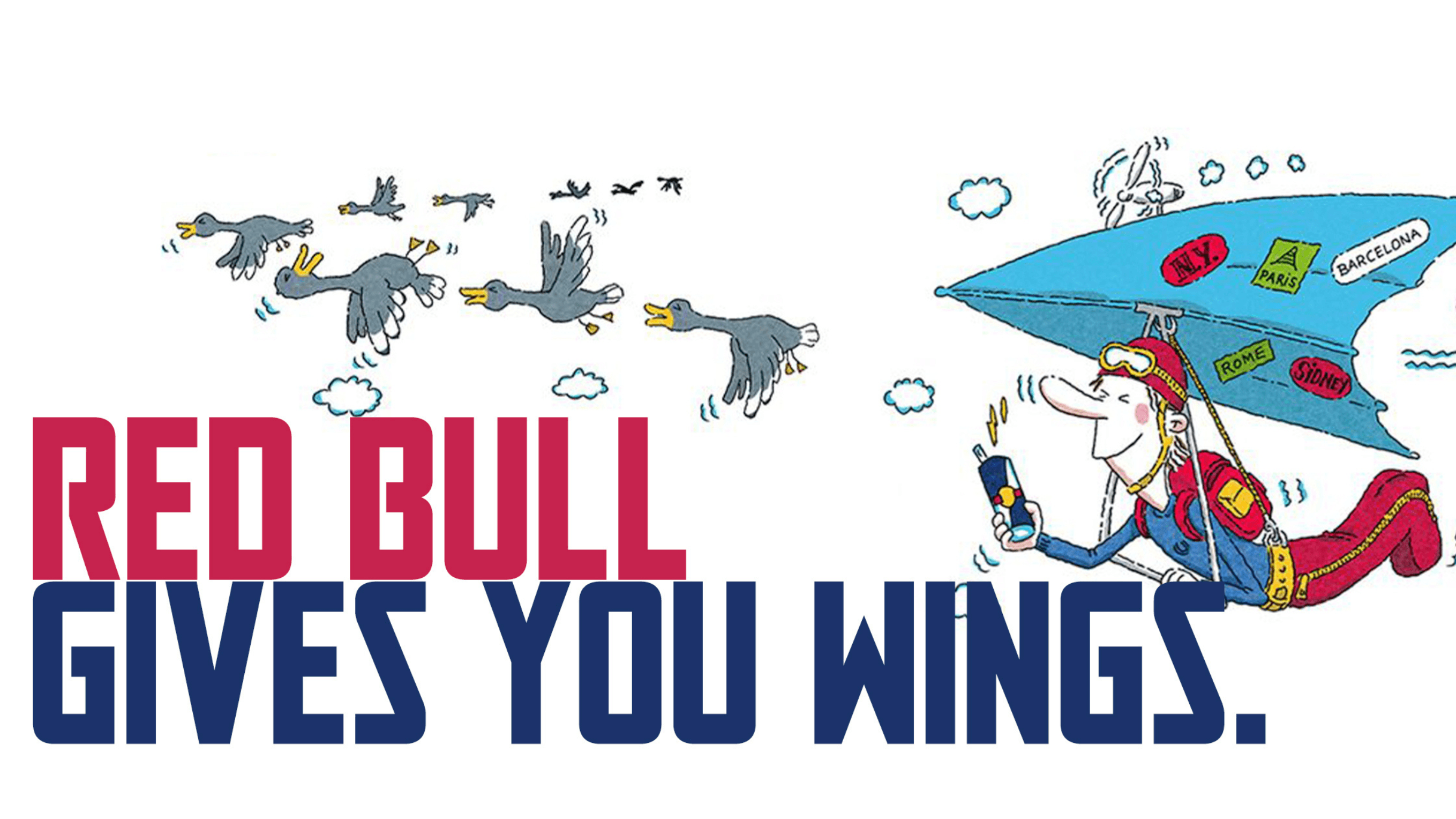
Red Bull has built loyalty by linking its brand to extreme sports, adventure, and a high-energy lifestyle. Customers connect with more than the product; they join a culture and community of excitement and risk. Events, sponsorships, and media content support this identity and strengthen emotional bonds.
The challenge is staying relevant: changes in culture or too much exposure could weaken the brand’s uniqueness, showing that attitudinal loyalty needs ongoing care and attention.
Patagonia
Patagonia’s environmental work and sustainable practices connect strongly with eco-conscious customers. They feel they are supporting a brand that shares their values, which builds trust and emotional attachment. This attitudinal loyalty leads to repeat purchases, advocacy, and willingness to pay higher prices.
The brand must stay consistent, though; any departure from its mission could hurt credibility. Patagonia shows that matching brand values with customer values is key to building attitudinal loyalty.
TOMS
TOMS led the way in using social impact to build attitudinal loyalty with its “one-for-one” model. Customers feel emotionally connected because each purchase supports a bigger purpose, encouraging advocacy and willingness to pay more.
However, changing the business model or not clearly showing the impact can hurt trust and loyalty. TOMS shows that social responsibility can drive strong loyalty, but it must be genuine and transparent.
LEGO
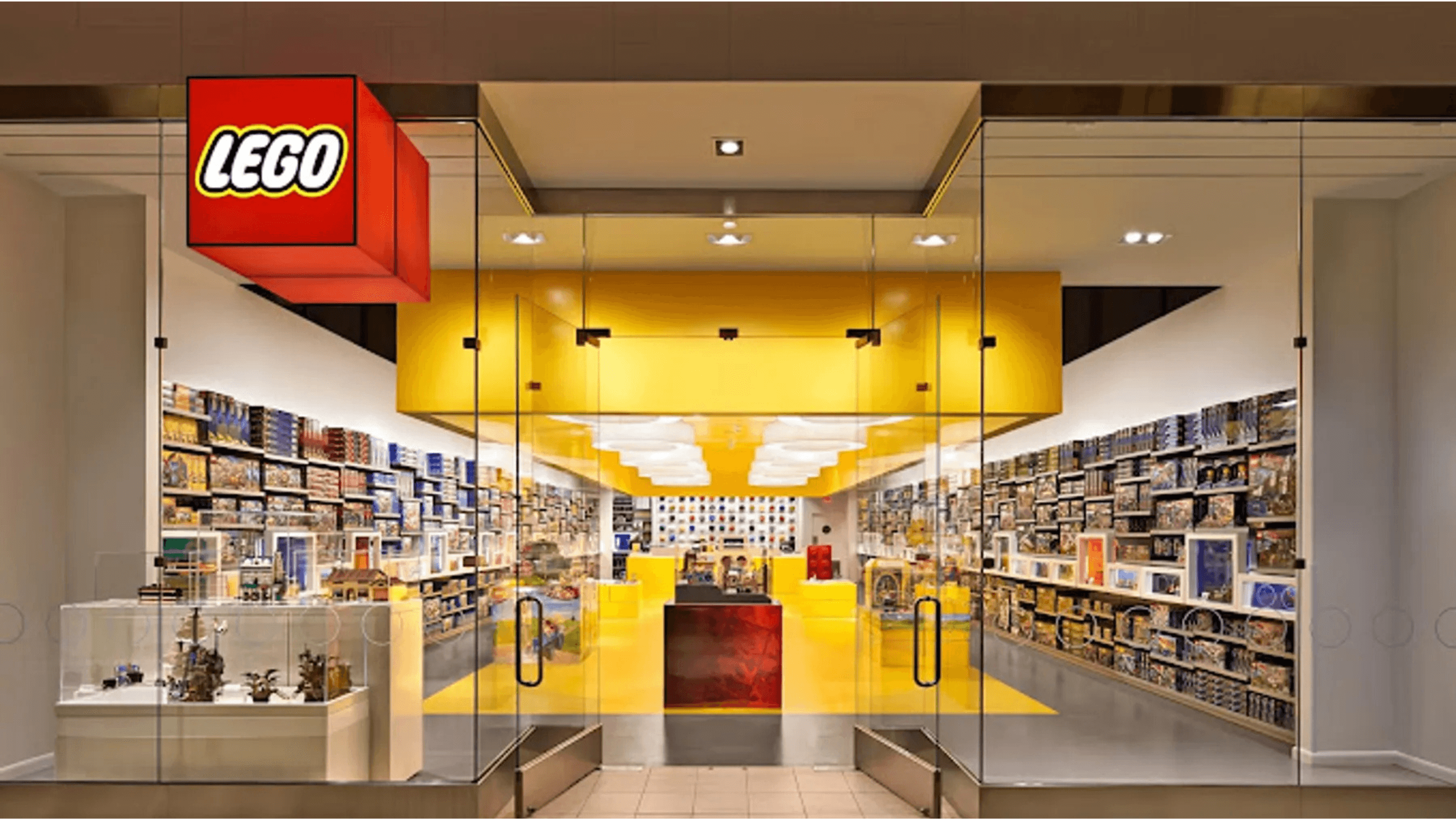
LEGO has built attitudinal loyalty by combining creativity, nostalgia, and community involvement. Fans join co-creation platforms like LEGO Ideas, share their builds, and connect with a global fan community, which strengthens emotional bonds. This loyalty goes beyond buying products, turning customers into supporters and collaborators.
The challenge is that keeping fans engaged requires constant innovation and responsiveness. If LEGO fails to evolve, it could risk losing the support of its loyal enthusiasts.
Combining Behavioral & Attitudinal Loyalty for Sustainable Retention
Sustainable retention needs both behavioral and attitudinal loyalty. Behavioral loyalty drives regular purchases and engagement through convenience, rewards, or incentives, giving clear short-term results. Attitudinal loyalty adds emotional depth, building trust, advocacy, and loyalty that resists switching. Together, they help brands earn immediate revenue and long-term commitment.
Apple combines repeat purchases with a strong emotional bond, keeping customers loyal even when other options exist. Ignoring either type can lead to weak loyalty: customers might buy once without a connection or feel attached without acting. A balanced approach is key for lasting, profitable relationships.
5 Metrics for Measuring Attitudinal Loyalty
CSAT (Customer Satisfaction Score)
CSAT measures how happy customers are with a product, service, or interaction. High satisfaction often links to positive feelings about the brand, showing trust and reliability. While CSAT gives a quick view, it only shows short-term feelings and may not fully reflect long-term emotional connection.
A software company using CSAT after support interactions can find areas where satisfaction is low, helping improve loyalty.
CES (Customer Effort Score)
CES measures how easy it is for customers to complete tasks, like buying a product or solving a problem. Low effort improves attitudinal loyalty by reducing frustration and increasing trust in the brand’s processes. But low effort alone doesn’t create emotional attachment; customers may still leave if brand values or experiences are weak.
Amazon tracks CES for checkout and returns to make sure customers have smooth experiences that strengthen loyalty.
Net Promoter Score (NPS)
NPS measures how likely customers are to recommend a brand to others. It shows their support and emotional connection. Promoters usually display attitudinal loyalty by actively endorsing the brand. While NPS is widely used, it can change with short-term experiences and doesn’t fully explain why customers feel loyal.
Apple’s consistently high NPS shows strong attitudinal loyalty and active brand advocacy.
Sentiment Analysis
Sentiment analysis looks at customer language in reviews, social media, and feedback to measure emotional tone. Positive sentiment shows alignment with brand values and trust, while negative sentiment can highlight potential loyalty problems. This method captures subtle feelings but needs regular monitoring to stay accurate.
LEGO checks fan forums and social media to track sentiment and emotional connection with its products.
Surveys & Interviews
Direct surveys and interviews let brands explore customer attitudes, alignment with values, and emotional commitment. Open-ended questions give detailed insights into why customers stay loyal or think about switching. Though it takes more time and resources, this approach reveals reasons that numbers alone can’t show.
Starbucks uses surveys and focus groups to learn about customers’ emotional connections and guide new product ideas.
Conclusion
Attitudinal loyalty is the emotional and mental bond that turns customers into supporters, premium buyers, and advocates. Unlike behavioral loyalty, it shows trust, commitment, and shared brand values. Building and measuring it needs consistent value, meaningful experiences, and strategies that mix emotional and practical elements.
Brands that successfully grow attitudinal loyalty gain long-term retention, strong customer relationships, and a community of loyal advocates.