– 8 minute read
Discover how brand storytelling builds emotional connection, drives loyalty, and turns marketing into meaning through authentic narratives that resonate deeply.

Cormac O’Sullivan
Author

Brand storytelling turns marketing into meaning. Instead of selling a product, it shares a narrative that builds emotional connection, strengthens brand loyalty, and helps audiences see themselves within the brand experience. When done authentically, it transforms awareness into trust, creating a strong brand that resonates on a deeper level.

What is Brand Storytelling?
Brand storytelling is the art of communicating a brand’s values, purpose, and personality through compelling stories. It connects products or services to human experiences, helping audiences resonate with the brand on an emotional level. By crafting a cohesive narrative, businesses build trust, authenticity, and long-term audience engagement.
5 Key Benefits of Brand Storytelling
Builds Emotional Connections
The most powerful stories don’t just inform; they make people feel. Brand storytelling taps into emotions like hope, belonging, empowerment, and nostalgia to create a deeper level of connection between a business and its audience. This emotional link transforms a simple purchase into part of the customer’s identity.
However, emotional storytelling must be genuine. When brands overstate feelings or manipulate sentiment without authenticity, audiences detect insincerity quickly. To avoid this, align every story with real experiences, values, and the tangible benefits your product or service delivers.
Increases Brand Loyalty
Stories help transform casual buyers into loyal advocates. When customers relate to a brand’s journey, values, or impact, they develop a lasting attachment and emotional loyalty that goes beyond discounts or promotions. Storytelling can increase conversion rates by about 30%.
That said, loyalty cannot survive on storytelling alone. The narrative must match the customer experience. If product quality, service, or ethics fall short of the story’s promise, loyalty erodes just as quickly as it was built.
Differentiates the Brand
In markets where products are nearly identical, storytelling becomes the key differentiator. A brand story gives meaning to what might otherwise feel interchangeable. It shows why the brand exists and what makes it distinct.
Yet differentiation through story requires courage and clarity. Many companies mimic competitors’ “feel-good” themes, creating sameness rather than distinction. A brand should instead highlight its unique perspective, its heritage, mission, or problem-solving approach to stand apart genuinely.
Enhances Memorability
People forget features but remember feelings. A compelling story lingers in memory, giving your brand a longer shelf life in a crowded digital world. The human brain retains stories more easily than statistics, making them powerful vehicles for recall and recognition. People are 22 times more likely to remember facts when delivered in a story rather than as bare data.
The risk lies in complexity. Overly elaborate stories lose focus; simple, emotionally resonant ones endure.
Communicates Values and Purpose
Modern audiences expect brands to stand for something beyond profit. Storytelling communicates the values of sustainability, innovation, and inclusivity and makes them relatable. It transforms abstract principles into lived experiences.
But values must be proven, not proclaimed. Brands that tell purpose-driven stories without backing them up risk being accused of “purpose-washing.” Authenticity and consistent action are what turn stories into trust.
5 Ways Brands Tell Their Stories
Below are five effective ways brands shape and share their stories, along with insights to make each approach meaningful and authentic.
How a Brand Solves Problems
The simplest and often most relatable story is one where the brand becomes the solution to a real customer problem. Instead of listing features, this approach focuses on transformation, showing how a product or service improves lives. For example, a skincare brand might tell the story of how its product restored confidence for someone struggling with acne.
However, focusing solely on the problem-solution model risks making the narrative feel transactional. To elevate it, brands should tie the solution to a broader purpose or emotion, such as empowerment, freedom, or self-expression, to deepen engagement and build emotional connection.
Overcoming Challenges
Audiences admire resilience. Brands that share stories about challenges they’ve faced and how they overcame them appear more human and trustworthy. This could include early struggles, setbacks during innovation, or navigating market shifts.
The key is transparency. Highlighting imperfection makes brands relatable, but exaggeration can feel manipulative. Authentic stories of persistence or learning show character and help the audience connect with the brand on a deeper level.
Reflecting Values and Aspirations
A brand story that mirrors the values and aspirations of its audience builds loyalty through shared identity. For example, Patagonia reflects environmental values; Nike reflects ambition and perseverance. These stories invite people to see themselves in the brand’s mission.
That said, brands must ensure their actions support the values they promote. Empty slogans or inconsistent behaviour quickly erode credibility. Living the story matters more than telling it.
Leveraging Fame and Trust
Collaborating with celebrities or influencers can amplify reach and add credibility to brand storytelling. When a public figure’s personal story aligns with a brand’s purpose, it strengthens authenticity and trust.
The risk, however, is dependency. If an influencer’s reputation falters, the brand’s credibility may suffer. To mitigate this, brands should ensure the partnership enhances rather than defines the narrative.
Purpose-Driven Stories
Purpose-driven storytelling connects the brand to a cause larger than itself sustainability, equality, innovation, or social change. These stories foster emotional loyalty and elevate brand perception.
But purpose must be proven through consistent action, not just messaging. When the story reflects real impact, it transforms the brand from a seller into a change-maker, inspiring audiences to believe and belong.
4 Best Content Channels for Brand Stories
Choosing the right channel is as important as crafting the story itself. A powerful narrative can lose its impact if told on the wrong platform or in the wrong format. Each content channel offers unique strengths for delivering your brand story, but also distinct challenges that marketers must navigate carefully.
Video as a Storytelling Tool
Video remains one of the most effective storytelling mediums because it merges visuals, sound, and emotion into a single, immersive experience. Through short films, brand documentaries, or even user-generated clips, businesses can convey human stories that bring their purpose to life. For example, brands like Nike and Airbnb use cinematic storytelling to connect emotionally with global audiences.
However, attention spans are shrinking. Videos must engage within the first few seconds and feel authentic, not overly produced. Excess polish can make a brand appear distant or insincere. Keeping it real, showing people, emotions, and context creates a more genuine connection.
Written Stories and Articles
Written storytelling allows brands to dive deeper into their identity, history, and impact. Blogs, website articles, and newsletters offer space to unpack ideas, share customer journeys, and explain brand values in detail. Unlike fleeting social content, written narratives can establish authority and long-term SEO value.
That said, clarity and tone are crucial. Overly corporate writing can alienate readers. To build emotional connection, write in a human voice, use relatable examples, and focus on how your brand helps the audience rather than boasting about achievements.
Short-Form Social Media Storytelling
Social media offers immediacy and reach. Platforms like Instagram, TikTok, and LinkedIn enable micro-stories quick, visual, and often interactive. They’re ideal for building brand awareness, showcasing real-time experiences, or amplifying user stories.
Yet, this speed-driven environment can make depth difficult. A brand’s social storytelling should feel cohesive, aligning with its core message and tone across all posts. Random or inconsistent content weakens brand perception. Consistency and clarity are what make short-form storytelling effective.
Podcasts and Audio Stories
Podcasts and other audio formats create an intimate, personal connection. Hearing voices tell real stories builds trust and familiarity, allowing brands to engage audiences during commutes or daily routines. Audio is particularly powerful for expert interviews, founder insights, and behind-the-scenes storytelling.
The main challenge is discoverability. Without visuals, strong storytelling structure, and engaging voices are vital. Keep the focus on authenticity, not advertising. The goal is to invite listeners into the brand’s world, one story at a time.
5 Examples of Brand Storytelling

Warby Parker
Warby Parker revolutionized eyewear retail by combining affordability, social purpose, and style. Their story centers on solving a relatable problem, expensive glasses, and offering a better way. The brand’s “Buy a Pair, Give a Pair” program reinforces its purpose-driven identity, appealing to socially conscious consumers.
Warby Parker also shares authentic customer experiences, showing how vision impacts lives. Their storytelling blends functionality with emotion, making customers feel part of a movement that values both individuality and positive change.

Airbnb
Airbnb’s storytelling centers on belonging. Through its “Belong Anywhere” campaign, the company highlights real hosts and travelers to show how its platform fosters global connection. These stories emphasize community, trust, and shared experiences over transactions.
By showcasing diverse voices and personal journeys, Airbnb creates emotional resonance with audiences seeking authentic travel. Their video and written content don’t sell accommodation; it sells the idea of feeling at home anywhere in the world. This narrative transforms Airbnb from a service provider into a brand that celebrates human connection and inclusivity.

Burt’s Bees
Burt’s Bees tells an origin story rooted in simplicity, nature, and authenticity. The brand’s narrative starts with Burt Shavitz, a beekeeper who turned beeswax into skincare. Every product ties back to this sustainable, nature-driven ethos. Their storytelling emphasizes environmental responsibility and transparency, core values that resonate with eco-conscious audiences.
Through packaging, website content, and advertising, Burt’s Bees consistently reinforces its message: nature is enough. The brand’s visual storytelling, filled with rustic imagery and real-life sustainability efforts, builds deep trust and loyalty among customers who care about ethical consumption.

Nike
Nike’s storytelling focuses on empowerment and the human spirit. Rather than promoting products, Nike highlights perseverance, courage, and breaking boundaries. Campaigns like “Just Do It” and “Dream Crazy,” featuring athletes like Serena Williams and Colin Kaepernick, connect sports to broader social themes such as equality and determination.
Nike’s stories are inspired by aligning athletic achievement with emotional resilience. This consistent storytelling makes Nike more than a sportswear company; it becomes a cultural icon that motivates individuals to push beyond their limits, creating an emotional bond that fuels lifelong brand loyalty.
Red Bull
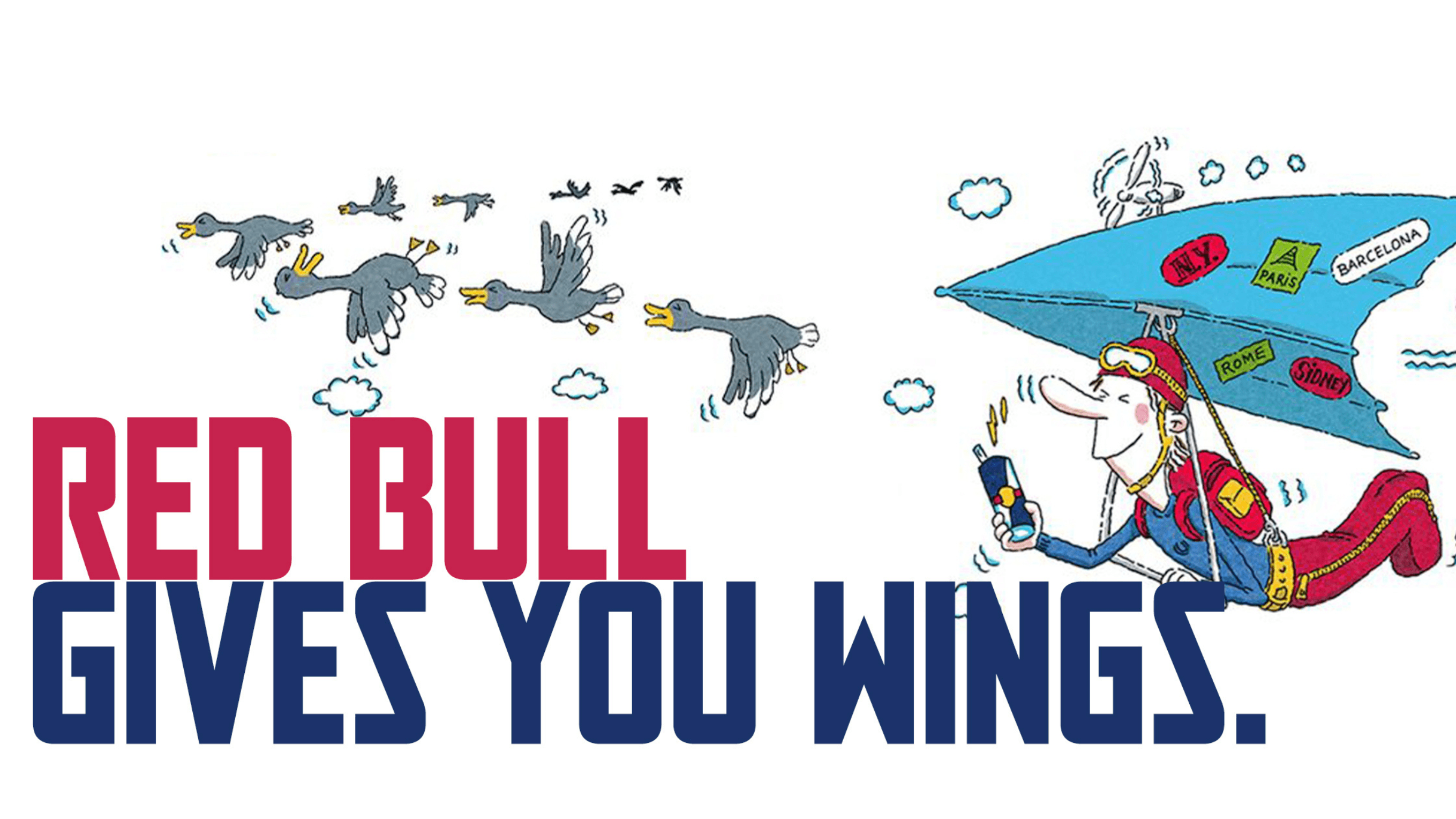
Red Bull’s storytelling is all about adrenaline, adventure, and human potential. The brand positions itself not as an energy drink, but as a lifestyle that embodies extreme performance. Through events like the Red Bull Stratos space jump and global sports sponsorships, Red Bull tells stories of daring feats and boundary-pushing individuals.
Its media-rich storytelling videos, documentaries, and digital content capture high-energy moments that align perfectly with its “gives you wings” slogan. This approach transforms Red Bull into a media powerhouse and cultural brand that celebrates risk, excitement, and inspiration.
Conclusion
Brand storytelling transforms ordinary marketing into a meaningful connection. By sharing authentic narratives, values, and experiences, brands inspire trust, loyalty, and emotional engagement. Whether through problem-solving, purpose-driven missions, or powerful visuals, storytelling humanizes businesses and helps audiences relate on a deeper level. The most successful brands like Nike, Airbnb, and Warby Parker don’t just sell products; they share stories that shape identity and create lasting relationships.