– 12 minute read
Discover how community-led growth drives authentic engagement, reduces acquisition costs, and builds lasting customer loyalty through empowered brand communities.

Cormac O’Sullivan
Author

Community-led growth is transforming how businesses attract and retain customers. By fostering genuine connections and empowering community members, brands build loyalty and drive sustainable growth.
What is Community-Led Growth?
Community-led growth focuses on activating and engaging community members, especially existing customers, to become advocates and collaborators. It uses the natural trust and connection within online communities to drive authentic growth, enhance customer experiences, and build loyalty that goes beyond conventional marketing strategies.
How Does Community-Led Growth Works
Community-led growth works by turning customers into active participants who drive brand growth naturally. It focuses on fostering genuine relationships and creating a sense of belonging that motivates members to engage, share, and advocate. Let’s break down how this works in practice.
Harness User Advocacy
At the heart of community-led growth is user advocacy. When community members are satisfied and feel valued, they become brand champions who promote your product or service organically. This peer-to-peer advocacy is often more trusted than traditional ads because it comes from real experiences. For example, happy customers sharing tips or success stories in an online community create a ripple effect, attracting new users. However, this depends heavily on keeping the community engaged and satisfied; negative experiences or neglect can quickly erode trust and advocacy.
Foster Trust and Belonging
Trust is the foundation of any strong community. People want to feel connected to others who share their interests and challenges. When brands nurture this sense of belonging, members are more likely to participate actively and provide honest feedback. Creating spaces where users feel safe, heard, and appreciated encourages ongoing engagement. But building this trust requires transparency, consistent communication, and responsiveness. Brands that fail to address concerns or appear inauthentic risk alienating their communities.
Build a Self-Sustaining Community Flywheel
A key goal is to develop a self-sustaining flywheel, where community engagement drives growth, which in turn fuels more engagement. For instance, new users join because of recommendations from current members, participate actively, and then become advocates themselves. This cycle can accelerate growth exponentially over time. The challenge lies in maintaining this momentum, which requires continual content creation, community management, and aligning incentives so members remain motivated. Without regular reinvestment, the flywheel can slow or even stop.
Align with Other Growth Models
Community-led growth is most effective when integrated with other growth strategies, like product-led growth and sales-led approaches. For example, product teams can use community feedback to improve features, while sales teams can leverage community insights to tailor their pitches. The head of community plays a crucial role in bridging these efforts, ensuring the community remains central to the overall marketing strategy. This alignment requires collaboration across departments but results in a more cohesive and scalable growth engine.
Comparing Sales-Led, Product-Led, and Community-Led Growth Models
Sales-led growth
Sales-led growth relies primarily on direct outreach and personal relationships to drive revenue. Sales teams actively engage prospects, guiding them through the buying process with tailored pitches and negotiations. This approach offers predictable revenue streams and strong control over customer acquisition. However, it tends to be expensive, resource-intensive, and often struggles to scale efficiently. The dependency on salespeople also means growth can be limited by the team’s capacity and may not build deep emotional loyalty among customers.
Product-Led growth
Product-Led growth flips the traditional sales model by letting the product itself be the main driver of customer acquisition and retention. Companies design products that are easy to adopt, use, and share, encouraging users to experience value firsthand before committing financially. This approach reduces friction in the buying process and can lead to viral adoption if the product meets users’ needs well. Still, product-led growth demands exceptional product-market fit and continuous innovation. Without a compelling product, it’s difficult to sustain momentum, and this model may overlook the importance of community and personal connection.
Community-led growth
Community-led growth focuses on building engaged online communities where existing customers and advocates actively promote the brand, share knowledge, and provide support. This model leverages the power of community to create authentic, emotional loyalty that strengthens the brand’s competitive position. It can significantly reduce customer acquisition costs and support long-term retention by fostering trust and belonging. The challenge with community-led growth is that it often requires substantial time, cultural investment, and ongoing management to keep the community thriving and aligned with broader business goals.
Why Community-Led Growth Matters for Your Business
Community-led growth has become a crucial strategy for businesses aiming to thrive in today’s competitive landscape. This approach leverages the power of engaged community members to drive authentic growth and create long-term value. Below, we explore the key reasons why investing in community-led growth can significantly benefit your business.
Reduce Customer Acquisition Costs
Acquiring new customers through traditional channels like paid ads or cold outreach can be costly and unpredictable. According to Research, companies with engaged communities experience up to a 20% reduction in customer acquisition costs compared to those relying solely on paid advertising. Community-led growth flips this by empowering existing customers to become advocates.
When satisfied members share their genuine experiences within online communities, they generate high-quality referrals and organic interest. This form of advocacy often results in better conversion rates at a fraction of the cost. However, it requires building trust and consistently nurturing your community over time rather than expecting immediate returns.
Strengthen Your Competitive Moat
A loyal community creates a powerful competitive advantage. When customers feel a strong emotional connection and a sense of belonging, they become less likely to switch to competitors even if alternatives offer similar products or prices. This emotional loyalty acts as a competitive moat, helping your business retain customers and defend market share. Still, maintaining this moat requires ongoing engagement and attentiveness to evolving community needs to prevent disengagement or dissatisfaction.
Create a Growth Flywheel Effect
Community-led growth creates a virtuous cycle, a flywheel where engagement drives advocacy, which attracts new members, fueling further growth. Each active participant can bring in others, amplifying reach and accelerating growth organically. This self-sustaining model can scale efficiently, unlike purely sales-driven approaches that plateau without increased resources. The challenge lies in continuously feeding the flywheel with fresh content, meaningful interactions, and incentives that keep members motivated.
Gain Authentic Customer Insights and Feedback
Communities are treasure troves of real-time customer insights. Active discussions, questions, and feedback provide valuable data that product teams and customer success managers can use to improve offerings and tailor services. Unlike traditional surveys, community feedback is often spontaneous and detailed, offering a deeper understanding of customer pain points and desires. Managing this input effectively requires dedicated roles, such as a head of community, to filter and act on insights productively.
Reduce Support Burden
An engaged community often serves as a peer support network, where members help each other solve problems and share tips. This can significantly reduce the load on formal customer support teams, lowering costs and speeding up issue resolution. Still, companies need to monitor these interactions to ensure accuracy and prevent misinformation from spreading.
Boost Brand Visibility and Authority
Active communities amplify brand presence across social media and other channels, increasing visibility and establishing your brand as an industry authority. When members share valuable content and positive experiences, it enhances credibility more than traditional marketing. This organic brand boost supports lead generation and broader marketing goals, especially when integrated into a comprehensive growth strategy.
Foster Emotional Loyalty and Affective Commitment
Beyond rational factors like price or features, emotional loyalty drives long-term retention. Communities create a space where customers feel valued, understood, and connected to others with shared interests. This affective commitment deepens customer relationships and encourages repeat business and advocacy. However, genuine emotional engagement requires ongoing investment and authentic brand behavior; anything less risks disillusionment and loss of trust.
4 Core Elements of an Effective Community-Led Growth Strategy
To create a successful community-led growth strategy, businesses need to focus on several core elements that build a vibrant, engaged, and sustainable community. These pillars ensure that your community not only attracts members but keeps them active and invested over time.
A Thriving Online Community Space
The foundation of community-led growth is a lively and inclusive online space where community members can connect, share, and support each other. This space should foster genuine interaction, encourage peer-to-peer conversations, and provide value beyond just marketing messages. Whether it’s a dedicated forum, a social media group, or a branded app, the community environment must feel welcoming and purposeful. Neglecting the social dynamics here risks low engagement and a stagnant community.
The Right Platforms and Communication Channels
Choosing the right platforms is critical to reaching and activating your audience effectively. Different types of communities thrive on different channels; some prefer Slack or Discord for real-time discussions, while others engage more on Facebook groups or LinkedIn. Your choice should align with where your audience naturally spends time and how they prefer to communicate. Additionally, integrating multiple channels can broaden reach but requires clear coordination to avoid fragmentation and confusion.
Consistent, Valuable Content and Engagement
Content is the lifeblood of any community. Providing regular, relevant, and valuable content keeps members engaged and encourages interaction. This might include tutorials, expert Q&As, user-generated content, or exclusive product updates. More importantly, engagement must be two-way; brands should actively participate, listen, and respond to foster trust and belonging. Sporadic or overly promotional content can drive members away or reduce authenticity.
A Scalable Community Flywheel
A well-designed community strategy creates a flywheel effect, where every interaction and new member strengthens the community and drives further growth. This requires scalable processes for onboarding new members, recognizing and rewarding active contributors, and continuously nurturing relationships. The flywheel must be supported by strong leadership, often a head of community who ensures alignment with broader business goals and continuously reinvests in the community’s health. Without scalability, growth plateaus, and community momentum slow.
7 Best Practices to Succeed with Community-Led Growth
Successfully implementing a community-led growth strategy requires more than just launching an online group. It demands deliberate effort, ongoing management, and a clear focus on your community’s needs and business goals. Below are seven best practices to help your community thrive and drive meaningful growth.
Identify and Understand Your Community
Before building or expanding your community, you must clearly define who your community members are. Understand their demographics, needs, motivations, and pain points. This deep knowledge enables you to tailor content, communication, and activities that resonate. For example, a community of software developers will engage differently from one for fitness enthusiasts.
Using surveys, interviews, and data analytics helps paint a clear picture. Knowing your audience also ensures that your community is not just a generic gathering but a place where members find real value and relevance.
Support and Nurture Your Members
Once your community is active, focus on supporting its members consistently. This means being responsive, addressing concerns, and providing resources that help members succeed with your product or service. Nurturing can include hosting webinars, offering expert advice, and facilitating connections between members.
A well-supported community member is more likely to become an advocate, enhancing your customer acquisition and retention efforts. However, it’s vital to balance company involvement with authentic peer interaction; too much brand dominance can stifle natural conversations.
Make Your Community the Core of Your Strategy
To truly harness the power of community-led growth, integrate your community into your overall marketing strategy and business processes. This means involving the community in product development, customer success, and even sales. For instance, invite members to beta test new features or provide feedback that shapes your roadmap.
Aligning cross-functional teams such as product teams and customer support around the community ensures that insights flow and that community efforts contribute directly to business outcomes.
Encourage Peer-to-Peer Connections
A thriving community isn’t just about members interacting with the brand, it’s about connections between members themselves. Facilitating peer-to-peer relationships creates a sense of belonging and shared purpose, which boosts engagement and loyalty.
Tools like discussion forums, group chats, or local meetups encourage members to help each other, share experiences, and collaborate. When members feel part of a supportive network, they’re more likely to stay active and contribute long term.
Celebrate and Reward Your Champions
Every community has super-users, those who contribute frequently, help others, and embody the community spirit. Identifying and rewarding these champions is crucial to maintaining momentum. Rewards can range from public recognition, exclusive content, or early access to new products.
Celebrations fuel motivation and signal to the wider community what behaviors are valued. However, it’s important that rewards feel genuine and align with the community’s culture; overly transactional incentives can undermine trust.
Track and Evaluate Community Performance
Measuring the success of your community efforts is essential to optimizing and scaling. Gartner reports that companies investing in community management see a 27% increase in customer retention and a 12% boost in revenue growth. Track metrics like member growth, engagement rates, content participation, and referral impact. More qualitative insights, such as sentiment analysis and feedback, also provide a fuller picture of community health.
Tools like analytics dashboards or CRM integrations help monitor these indicators in real-time. Regularly evaluating performance allows you to identify what’s working, spot challenges early, and adjust your approach accordingly.
Continuously Reinvest in Your Community
A community is a living ecosystem that requires ongoing investment. This means dedicating time, resources, and budget to community management, content creation, and platform improvements. Reinventing the community experience, whether through new features, events, or programs, keeps members engaged and excited.
Additionally, fostering innovation within the community itself by empowering members to lead initiatives or create content spreads responsibility and sparks fresh energy. Without continuous reinvestment, even the best communities risk stagnation.
8 Examples of Successful Community-Led Growth Brands
Community-led growth drives success across various industries by turning customers into active advocates and collaborators. Here are eight standout brands that have leveraged community to fuel their growth and build loyal customer bases.

Notion
Notion has cultivated a vibrant and highly engaged community of users who actively share templates, workflows, and productivity systems. Through forums, social media groups, and creator-led spaces, users help each other unlock the full potential of the platform.
Community members frequently publish tutorials, videos, and use cases, reducing onboarding friction for new users. Notion also supports user-led events and ambassador initiatives, further strengthening participation. This strong peer-to-peer ecosystem has significantly accelerated adoption and positioned Notion as a flexible, community-powered productivity tool.

Figma
Figma’s community of designers and developers plays a central role in its growth and product evolution. The brand actively encourages collaboration through online forums, shared design files, and open feedback channels.
Community members contribute plugins, templates, and educational resources that extend Figma’s core functionality. This open environment allows users to learn from one another while directly influencing product improvements. By closely aligning product development with community input, Figma seamlessly blends product-led and community-led growth.

Target
Target has built a highly engaged community through its loyalty initiatives, social media presence, and creator partnerships. Programs like Target Circle encourage shoppers to share deals, recommendations, and product discoveries.
Across platforms such as Instagram, TikTok, and Reddit, customers actively discuss hauls, seasonal finds, and exclusive offers. This organic content fuels discovery and drives peer-to-peer influence. By amplifying customer voices, Target fosters a sense of belonging and turns everyday shoppers into brand advocates.

Saucony
Saucony has cultivated a strong global community rooted in running culture and shared athletic goals. Through partnerships with local running clubs, races, and grassroots athlete programs, the brand builds meaningful offline connections.
Online, runners share training journeys, race experiences, and product feedback across social platforms. This combination of physical and digital community touchpoints creates camaraderie and authenticity. By supporting runners at every level, Saucony strengthens loyalty and embeds itself deeply within the running community.

Peloton
Peloton transforms fitness into a social and community-driven experience. Live classes, leaderboards, and in-app interactions encourage members to engage with instructors and each other.
Outside the platform, Peloton users connect through social media groups and local meetups. This shared commitment to health and performance builds strong emotional bonds. The sense of accountability and belonging significantly boosts retention and fuels powerful word-of-mouth growth.
Airbnb
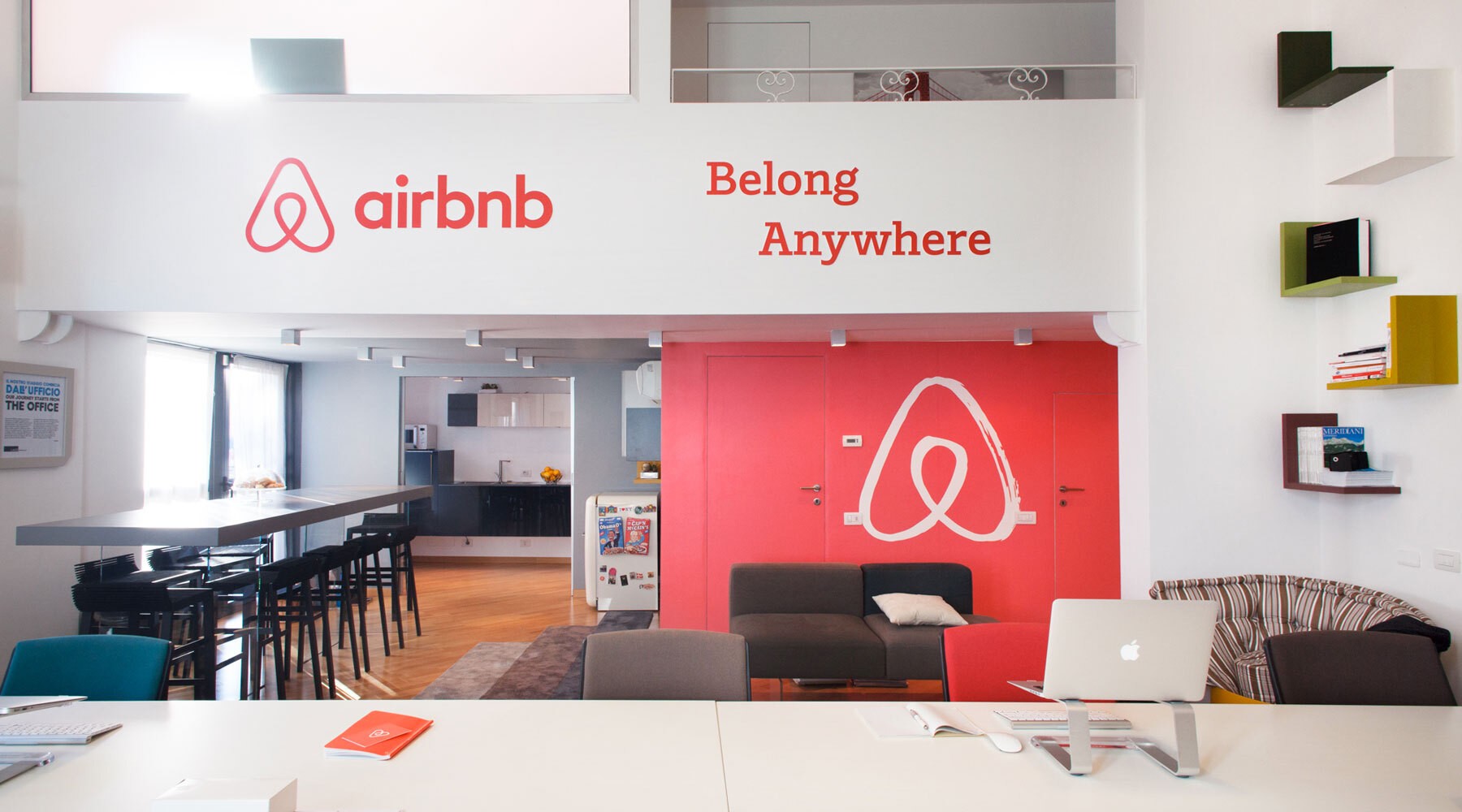
Airbnb’s community-driven approach focuses on trust, shared knowledge, and collaboration between hosts and guests. Online forums provide a space to exchange tips, best practices, and problem-solving advice.
Local meetups and host groups strengthen relationships beyond the platform. This peer support system improves service quality and confidence across the ecosystem. By empowering its community, Airbnb enhances user experience while driving long-term loyalty and retention.

Lululemon
Lululemon has evolved into a lifestyle brand by building a community centered on wellness, movement, and mindfulness. Through ambassador programs, in-store classes, and local events, the brand creates real-world connections.
Online engagement further amplifies these experiences through storytelling and shared values. Customers feel aligned with the brand’s purpose, not just its products. This emotional connection drives advocacy, repeat purchases, and sustained growth.

Coros
Coros is an emerging example of community-led growth within the sports technology space. The brand maintains active communities on Reddit and niche fitness forums where users exchange training advice and product insights.
These grassroots discussions build trust and authenticity among athletes. Community feedback also helps shape product improvements and messaging. By empowering its users to lead conversations, Coros turns customers into vocal advocates and fuels organic growth.
Conclusion
Community-led growth is more than a trend; it’s a powerful strategy that builds authentic connections, drives sustainable customer acquisition, and fosters deep loyalty. While it requires ongoing commitment and balance, the rewards include reduced costs, stronger brand authority, and valuable customer insights. By embracing community as a core part of your growth approach, businesses can create thriving ecosystems that fuel lasting success in today’s competitive market.