– 8 minute read
Discover the lucky loyalty effect on how loyal customers feel luckier in random rewards and how brands can use this bias to boost engagement and trust.

Cormac O’Sullivan
Author
In the world of loyalty programmes and promotional strategies, one psychological phenomenon that deserves your attention is the Lucky Loyalty Effect. This effect describes how loyal customers, those who have invested money, time, or effort into a brand, tend to believe they have a higher “chance to win” in random reward campaigns, even when the chance of winning is exactly the same as anyone else’s. The effect is grounded in behavioural economics and taps into cognitive biases around deservingness and luck.
What Is the Lucky Loyalty Effect?
The Lucky Loyalty Effect occurs when loyal consumers believe their past effort or purchases increase their odds of winning in random promotions. Research from the Journal of Consumer Research shows this belief stems from a sense of deservingness, making loyal customers feel luckier and more entitled to positive outcomes.
The Psychology of Deservedness
Why Do Customers Feel They Earn Good Fortune Through Loyalty
At the heart of the Lucky Loyalty Effect lies the feeling of deservedness. Loyal customers often believe that their repeated purchases, engagement, and support have earned them a form of good fortune. This perception makes them feel entitled to better outcomes, whether discounts, exclusive access, or a higher chance to win in random promotions.
According to research published in the Journal of Consumer Research, this isn’t due to luck itself, but rather a psychological link between effort and entitlement. Customers think, “I’ve worked for this brand, so I deserve to be lucky.” This emotional bond transforms routine loyalty into a belief in personal reward.
How Effort And Past Purchases Amplify The Feeling Of Being Lucky
Every purchase, review, or referral strengthens this sense of deservingness. The more consumers invest financially or emotionally, the more they feel their loyalty should pay off. As a result, they begin to overestimate their chance of winning in random promotions. They may even perceive random outcomes as partially influenced by their own actions.
This is a clear example of a cognitive bias, where customers interpret luck as a reward for effort. Brands can harness this belief by offering random rewards that reinforce positive feelings, but they must also manage expectations carefully to avoid disappointment or the belief that the system is unfair.
Links To Behavioural Economics And Reward Psychology
From a behavioural economics perspective, this effect overlaps with concepts like effort justification and the illusion of control. People derive greater satisfaction when they believe outcomes reflect their own effort. Similarly, in reward psychology, variable outcomes such as surprise wins or lucky draws trigger higher emotional engagement than fixed rewards. The result? Loyal consumers feel luckier, stay motivated, and deepen their connection with the brand. However, if overused or poorly communicated, such strategies can create unrealistic expectations and erode trust over time.
Why Random Rewards Work Better Than Predictable Ones
The Emotional High Of Unpredictability
Predictable rewards like fixed discounts or point redemptions satisfy customers, but they rarely excite them. In contrast, random rewards create anticipation, surprise, and emotional engagement. The uncertainty of not knowing when or what you might win activates a powerful psychological response.
For loyal customers already influenced by the Lucky Loyalty Effect, this unpredictability amplifies excitement because they believe their effort increases their chance to win. The emotional high of unpredictability transforms routine participation into a thrilling experience, making customers more likely to stay engaged and spend more frequently.
Dopamine, Anticipation, and Reinforcement Theory
From a reward psychology standpoint, random reinforcement produces stronger motivation than consistent rewards. Neuroscience shows that the brain releases more dopamine when rewards are unexpected or variable. This is the same principle behind slot machines or surprise giveaways; anticipation becomes addictive.
When brands use random promotions, loyal consumers experience repeated bursts of excitement each time they engage, reinforcing the belief that they are “luckier” than others. This cycle strengthens both emotional connection and behavioral commitment. However, it’s crucial to use this technique ethically. While it can boost engagement, it can also exploit cognitive biases, leading to compulsive participation or disappointment when expectations aren’t met.
Balancing Randomness and Fairness
The challenge for marketers is maintaining fairness while leveraging randomness. Loyal customers who invest time and money often expect special treatment, and when random draws don’t align with that expectation, frustration can follow. Transparency, such as clear explanations of odds or eligibility, helps manage this tension.
Brands can balance fairness by offering smaller guaranteed rewards alongside major random prizes, ensuring all participants feel valued. When used responsibly, random rewards are a powerful tool to enhance engagement and reinforce loyalty. But if poorly managed, they risk undermining trust and creating unrealistic expectations, the very opposite of what loyalty programs aim to achieve.
2 Real-World Examples of the Lucky Loyalty Effect
LEGO VIP Rewards
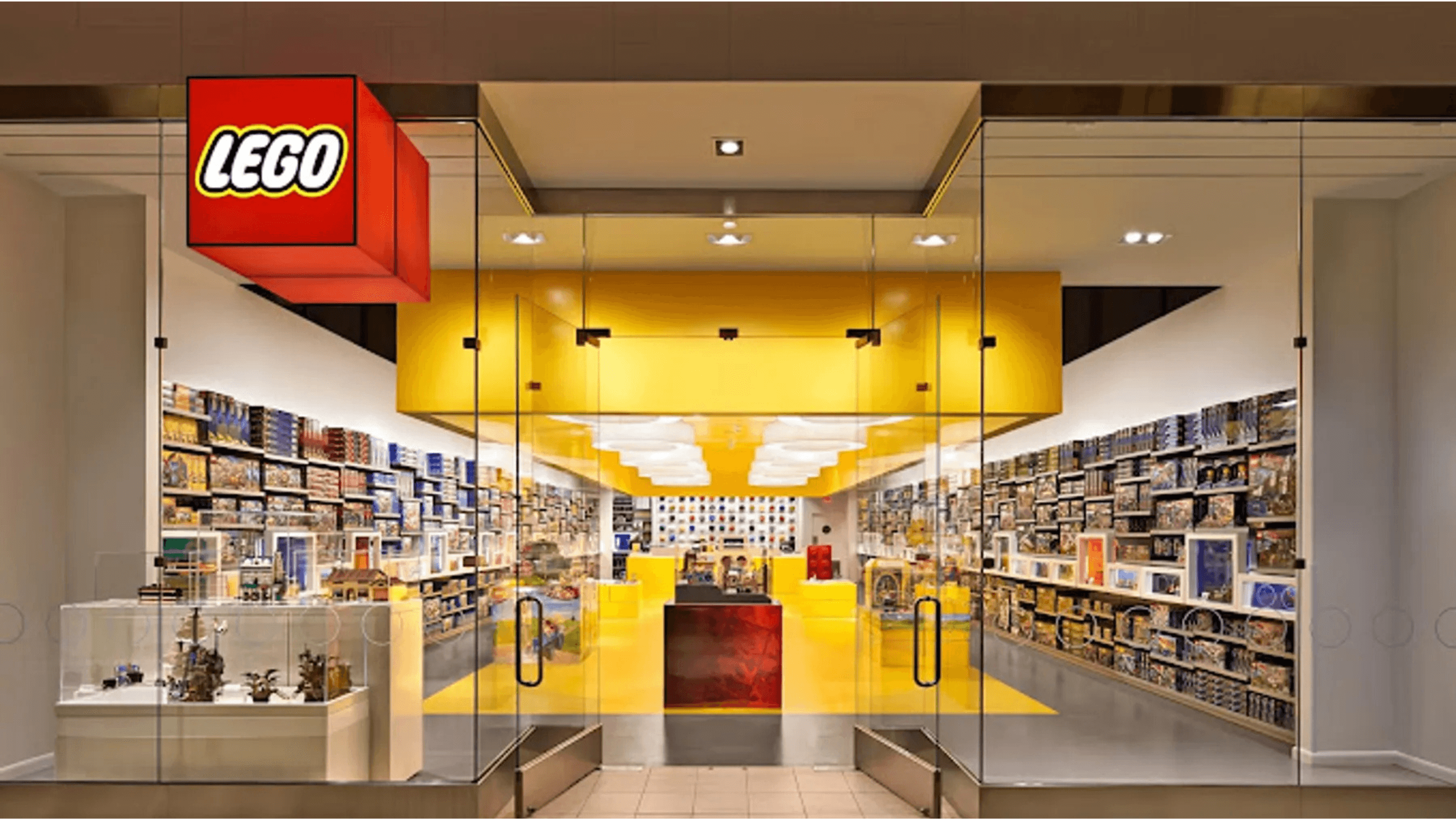
LEGO’s VIP programme illustrates the Lucky Loyalty Effect in action. Members earn points through purchases, which can be redeemed for entries into exclusive draws or limited-edition prizes, such as collectible minifigures or signed merchandise. Loyal customers, having invested heavily in LEGO products, feel they deserve these rewards and perceive a higher chance of winning.
The unpredictability of the prize adds excitement and reinforces engagement, turning regular purchases into a gamified experience. However, if members do not win, they may feel disappointed or that their loyalty was undervalued, highlighting the need for follow-up rewards or recognition to maintain trust.
McDonald’s – Monopoly Promotion
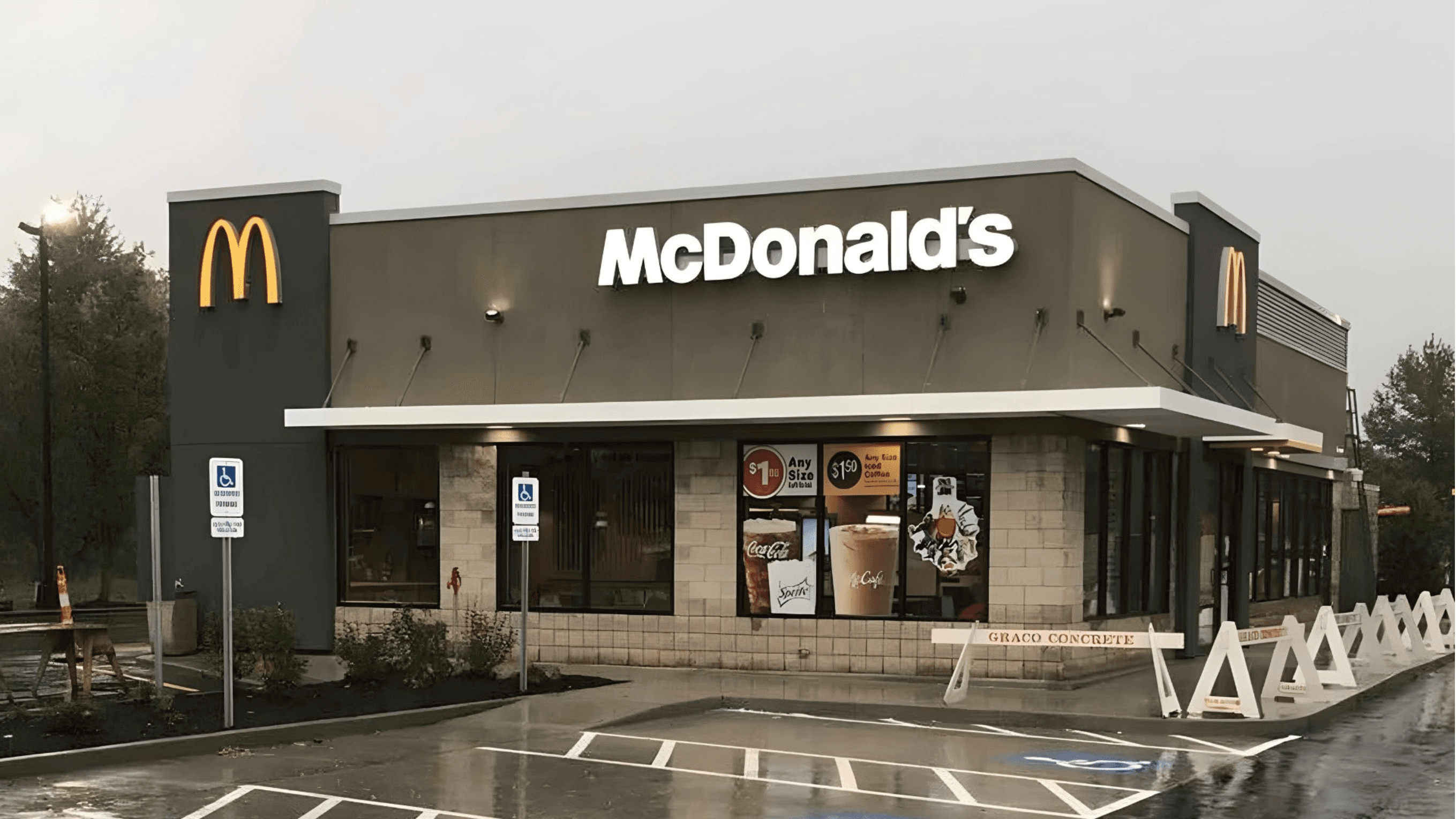
McDonald’s Monopoly campaign leverages randomness to drive repeat purchases. Customers collect game pieces for a chance to win prizes ranging from cash to cars. Frequent visitors and loyal consumers often feel luckier and more entitled due to the Lucky Loyalty Effect, increasing their participation and overall spending.
The unpredictability of prizes triggers anticipation and emotional highs, aligning with principles of reinforcement psychology. Yet, the random nature can also lead to frustration if loyal customers repeatedly fail to win. Clear communication of odds and consolation rewards is essential to maintain satisfaction and prevent erosion of loyalty over time.
Conclusion
The Lucky Loyalty Effect shows that loyal customers feel luckier and more deserving of rewards, making random promotions highly engaging. When used thoughtfully, this effect strengthens loyalty and participation. However, brands must balance excitement with fairness to avoid disappointment, manage expectations, and maintain long-term trust in their loyalty programs.