– 6 minute read
Discover how scarcity bias drives urgency and boosts sales. Learn ethical marketing tactics and how Leat helps create genuine scarcity for lasting loyalty.

Cormac O’Sullivan
Author

Scarcity bias is one of the most powerful psychological triggers marketers use to influence consumer decisions. It taps into the fear of missing out (FOMO), pushing people to act quickly before a product or offer disappears. However, while scarcity can boost sales and brand loyalty, it also carries risks, such as consumer frustration or loss of trust if overused or perceived as manipulative.
What Is Scarcity Bias?
Scarcity bias is a cognitive bias where people place a higher value on things that appear rare or limited. The principle is rooted in evolutionary psychology; scarce resources signaled survival value, so humans developed a mental shortcut that values scarcity. This bias often leads to quicker decision-making and increased desire for the scarce item.
How Do Brands Trigger Scarcity Bias?
Brands have long understood that scarcity bias can significantly influence consumer behavior. By creating a sense of limited availability or urgency, they encourage quicker decisions and boost demand. However, the key to effective scarcity marketing lies in balancing authenticity with persuasion. When done well, it drives sales and loyalty; when done poorly, it risks alienating customers.
Limited Quantity
One of the most common ways brands trigger scarcity bias is by offering products in limited quantities. This could be through limited-edition releases or simply showing low stock levels. The perception that a product might soon be unavailable creates urgency, prompting consumers to act fast. For example, fashion brands often launch limited runs to generate hype. While this can create excitement, brands must manage expectations carefully, as stock shortages may frustrate customers and harm their reputation.
Limited Time
Time-sensitive offers are another powerful scarcity trigger. Flash sales, countdown timers, or seasonal discounts push consumers to buy before the deal expires. This ticking clock creates pressure, leveraging our natural tendency to avoid missing out on opportunities. However, brands should avoid overusing this tactic, as consumers may become desensitized or skeptical if “limited-time” deals appear too frequently or never truly end.
Exclusive Access
Exclusivity heightens perceived value by restricting access to a select group. Brands offer early product releases to loyal customers or members-only sales to create a sense of privilege and belonging. This strategy not only triggers scarcity bias but also strengthens brand loyalty. Yet, exclusivity must be inclusive enough to avoid alienating broader audiences or appearing elitist.
High Demand
Finally, demonstrating high demand, such as showing how many people are viewing or purchasing a product, indirectly triggers scarcity bias. This social proof suggests the product is popular and may run out soon. While effective, brands need to ensure they can meet demand, or risk disappointing customers and damaging trust.
How You Can Trigger Scarcity Bias With Leat
Leat’s powerful loyalty and marketing platform offers multiple ways to ethically trigger scarcity bias, helping brands create urgency and motivate customers to take timely action. By combining automation with smart segmentation, Leat enables businesses to nudge customers effectively without feeling pushy or manipulative.
Points Expiry
One of the simplest yet most effective scarcity triggers in Leat is the ability to set points' expiry. When you issue loyalty points to customers, you can configure a rule within Leat’s rule engine that causes these points to expire after a set period. This creates a natural urgency for customers to redeem their points before they lose them. To maximize impact, Leat can automatically send reminder emails notifying customers that their points are about to expire. These timely nudges encourage customers to act, boosting engagement and driving repeat visits without overwhelming them.
Limited Time Vouchers
Leat also allows businesses to create vouchers with fully customizable validity periods. For instance, you can send a promotional voucher valid for just one week, creating a clear deadline that encourages faster redemption. These vouchers can be delivered automatically via email, making it easy to reach customers with personalized offers. For restaurants or retail stores, this tactic is invaluable; it not only drives traffic within a specific timeframe but also makes customers feel they have a unique, time-sensitive opportunity.
Emails to Nudge Redemption
Leat’s segmentation tools empower brands to target specific groups based on behavior. For example, you can identify customers who haven’t visited your restaurant in the last 60 days and send them automated, personalized emails inviting them back. Including a voucher or discount code in these emails adds an extra incentive. This approach combines scarcity (limited-time offer) with personalization, increasing the likelihood that customers will respond and return sooner.
Wallet Pass Notifications
Another innovative way to trigger scarcity bias with Leat is through geofencing-enabled push notifications sent to customers’ digital wallet passes. When a customer enters a defined area near your restaurant or store, Leat can automatically send them a timely notification about a limited offer or expiring reward. This real-world, location-based nudge feels relevant and immediate, encouraging on-the-spot decisions and visits. It’s a powerful way to blend digital marketing with physical presence, enhancing customer experience.
Brands That Master Scarcity Bias
Some brands have perfected the art of leveraging scarcity bias, turning limited availability into a key part of their identity and marketing strategy. By understanding both the psychological pull of scarcity and the operational challenges it presents, these brands create powerful customer desire while maintaining strong loyalty. Let’s explore how five iconic companies use scarcity bias effectively and what you can learn from them.
Supreme: Creating Hype Through Limited Drops
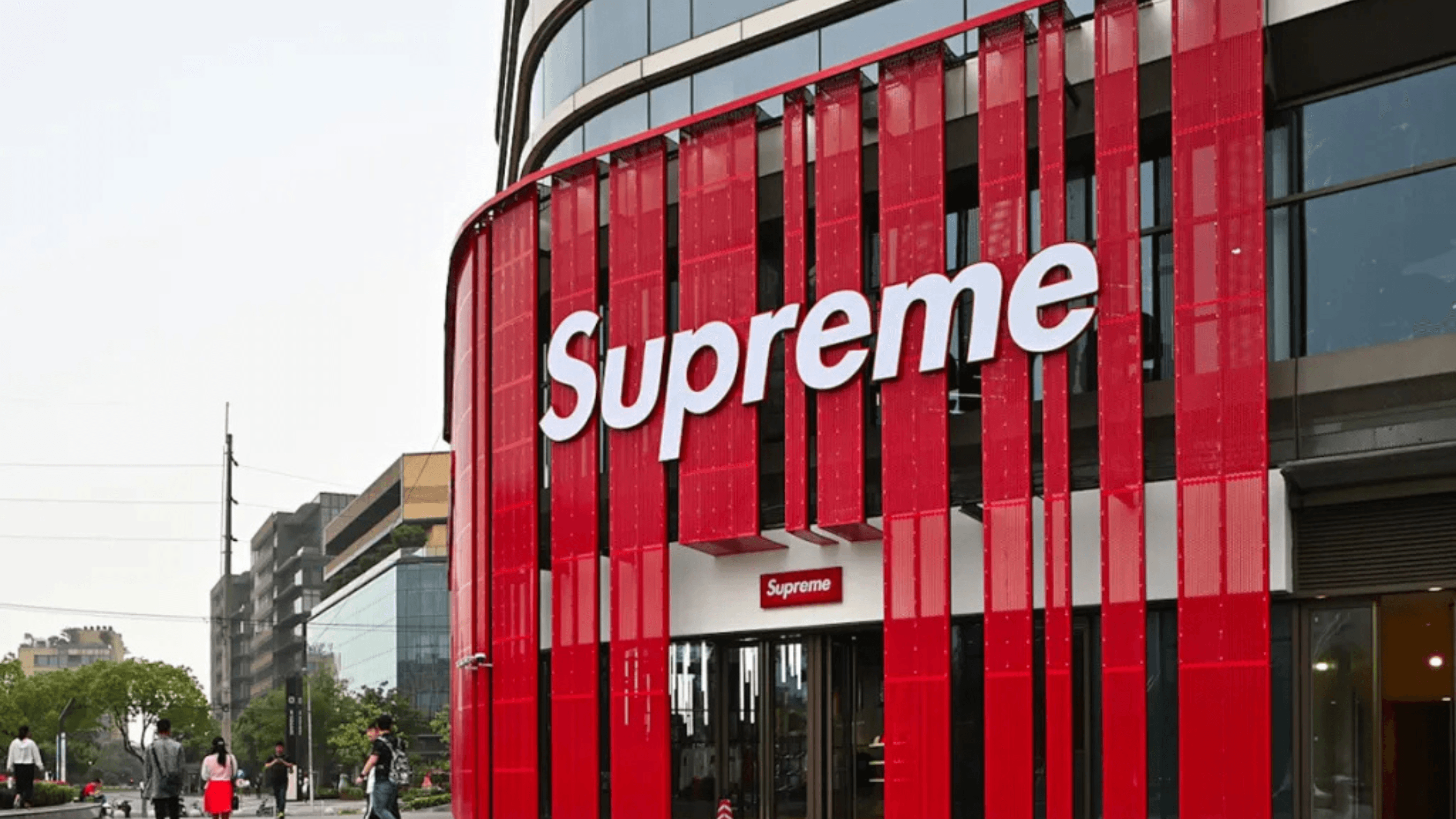
Supreme’s entire business model revolves around scarcity. The streetwear brand releases limited “drops” of products that sell out within minutes, fueling a culture of urgency and exclusivity. This approach creates intense hype, encouraging customers to act immediately or risk missing out entirely. Supreme’s limited quantity strategy also drives high resale values, reinforcing the brand’s status symbol appeal.
However, this scarcity model can frustrate consumers who find it nearly impossible to purchase items at retail prices, sometimes fostering a sense of exclusion. Supreme’s success lies in balancing this tension by maintaining true scarcity; it sustains its cult-like following and brand cachet without diluting value.
Apple: Controlled Supply and Anticipation
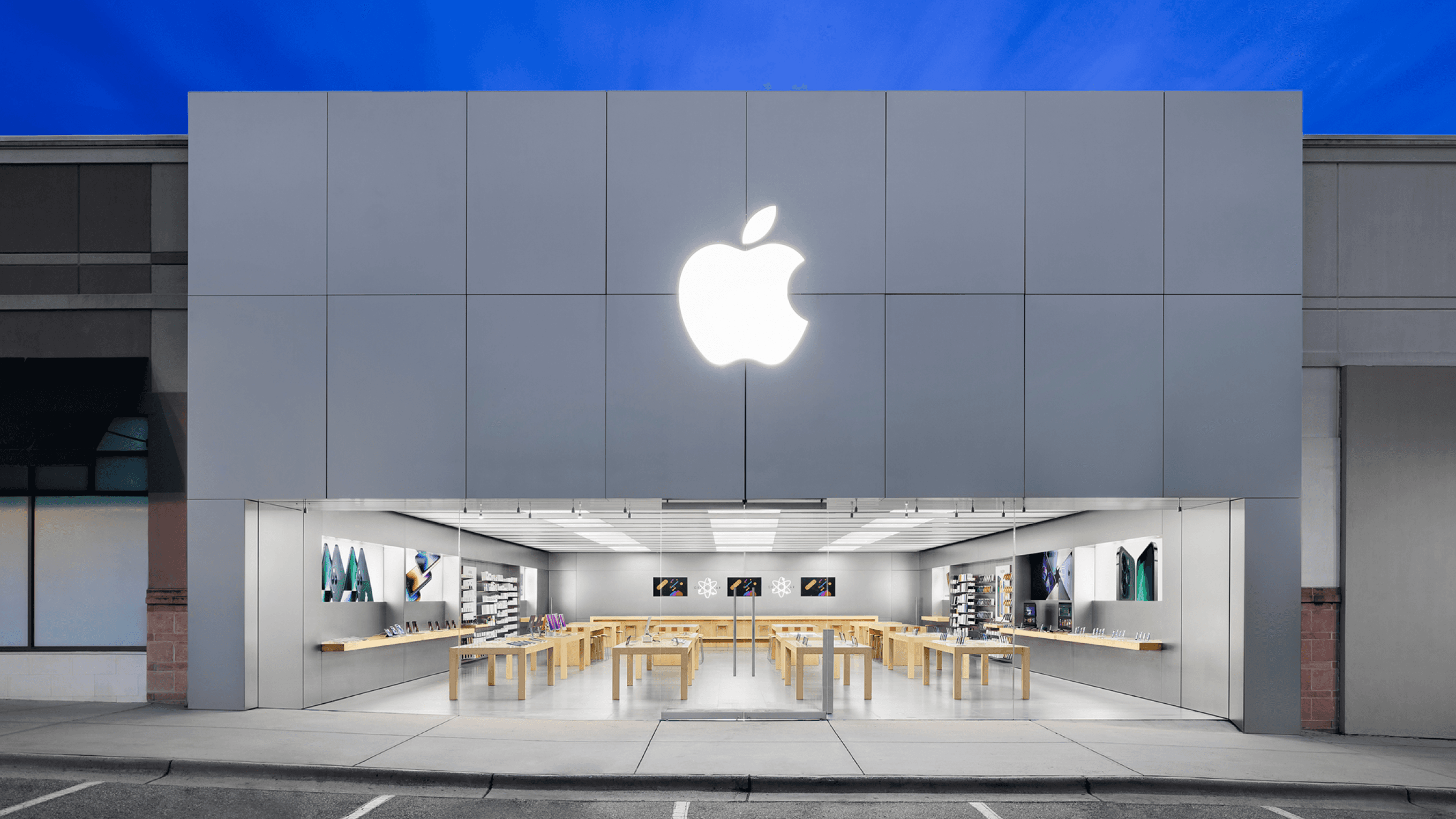
Apple leverages scarcity bias through carefully controlled product supply and staged launches. New iPhones or AirPods often appear “scarce” during initial releases due to limited stock or high demand, which intensifies anticipation and drives pre-orders. Apple’s approach combines limited quantity with exclusive access via early adopters and loyal fans.
Unlike some brands, Apple balances scarcity with transparency about availability and clear communication. This helps maintain trust, ensuring customers feel scarcity is genuine rather than artificial. The result is a well-managed hype cycle that maximizes excitement without alienating consumers.
Amazon: Real-Time Scarcity and Dynamic Urgency
Amazon’s use of scarcity bias is more data-driven and dynamic. Through real-time inventory updates, countdown timers during sales events like Prime Day, and notifications about limited stock, Amazon triggers urgency while maintaining transparency. Customers see exactly how many items remain or how long an offer lasts, which nudges them to buy sooner.
Amazon’s approach is scalable and integrates social proof by showing how many people are viewing or buying a product. This combination of scarcity and popularity cues creates a compelling motivation. The challenge lies in ensuring that stock levels match customer expectations to avoid disappointment.
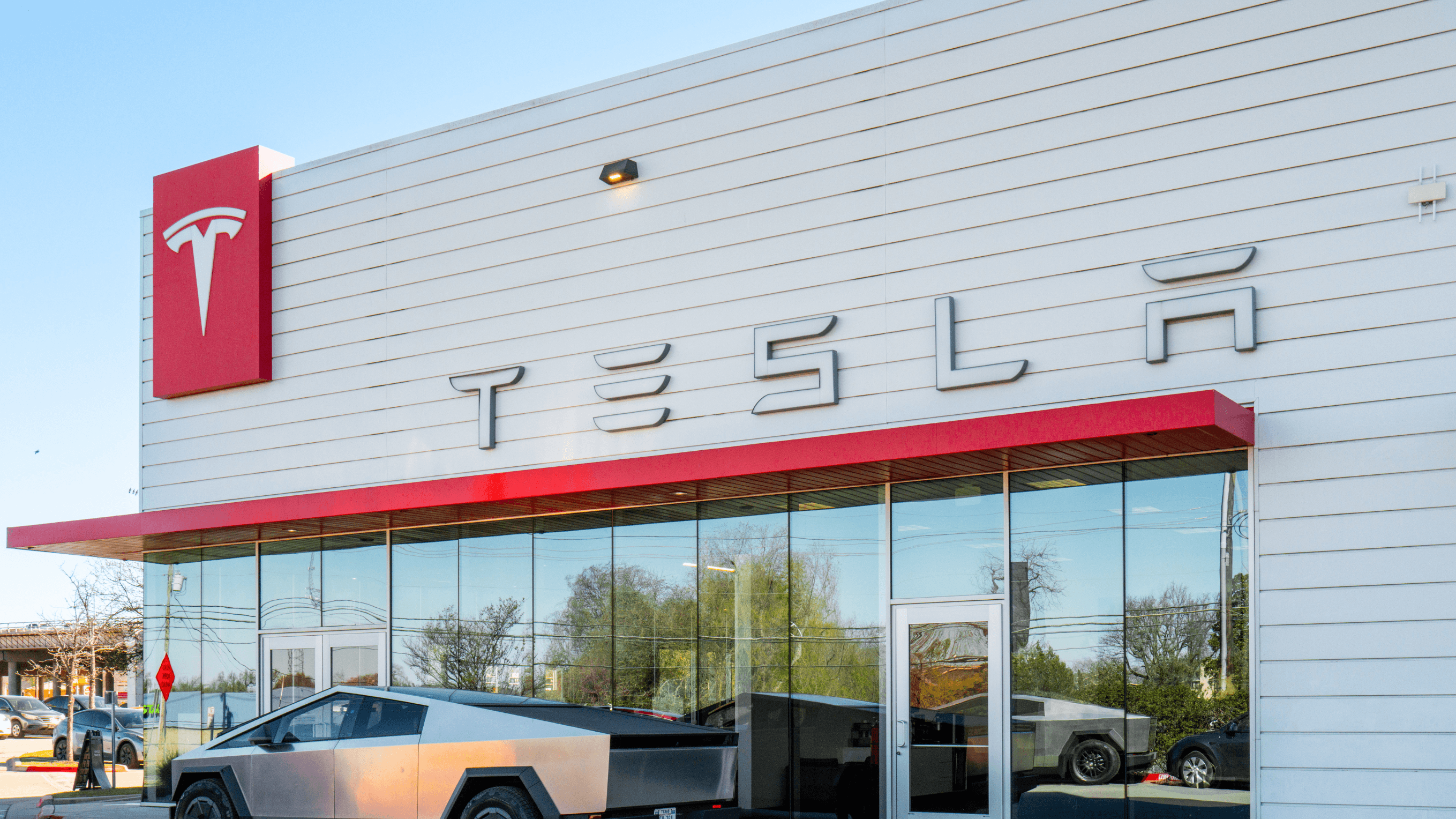
Tesla: Creating Buzz with Waiting Lists and Limited Editions
Tesla uses scarcity to build exclusivity and anticipation, especially through waiting lists and limited edition models. Early reservation systems create a sense of privilege for those willing to wait, while limited production of special models increases perceived value. This scarcity fosters a passionate community of fans eager to be part of Tesla’s innovation journey.
At the same time, Tesla faces the risk of customer frustration due to long waits. Their strategy relies heavily on strong communication and ongoing engagement to keep potential buyers excited and loyal despite delays.
Airbnb Experiences: Scarcity Meets Unique Access
Airbnb leverages scarcity bias by limiting the availability of unique experiences and events. Many offerings have a fixed number of seats or limited booking windows, making them feel exclusive and urgent. This scarcity, combined with the appeal of authentic, one-of-a-kind experiences, encourages quicker booking decisions.
Airbnb carefully manages demand to avoid overbooking or disappointing customers, which is crucial for maintaining trust in the experience economy. Their model shows how scarcity can work beyond products, applying equally well to services and events.
Conclusion
Scarcity bias, when used ethically, drives urgency and loyalty by making offers feel valuable and time-sensitive. Leading brands balance authenticity with demand, ensuring excitement without frustration. Leveraging tools like Leat, businesses can create genuine scarcity that motivates action while maintaining lasting customer trust and satisfaction.