– 7 minute read
Boost your SMS marketing success by improving deliverability. Learn causes of SMS failures and top strategies to increase delivery rates and engagement.

Miles Zunker
Author

SMS marketing, the ability to get your text message into the hands of your audience, is paramount. Even the most creative campaigns and perfectly personalized messages mean little if they never reach the recipient’s mobile device. This is where SMS deliverability comes in as a critical yet often overlooked factor determining the success of your messaging efforts.
But SMS deliverability is complex. It involves technology, carrier rules, recipient behavior, and more. While a high sms delivery rate can boost engagement and ROI, sms delivery failures can frustrate marketers and damage brand reputation.
What is SMS Deliverability?
SMS deliverability refers to the ability of a short message service (SMS) to reach a recipient's phone successfully. It’s not just about sending messages but ensuring they are actually delivered and seen. A good delivery status means your messages have passed through carriers’ networks and arrived without being blocked, filtered, or lost.
How to Calculate SMS Deliverability Metrics
To measure SMS deliverability accurately, there are a few key formulas you can use to understand your campaign’s performance:
1. SMS Delivery Rate
This tells you the percentage of your sent messages that were successfully delivered to recipients. You calculate it by dividing the number of delivered messages by the total number of messages sent, then multiplying by 100 to get a percentage.
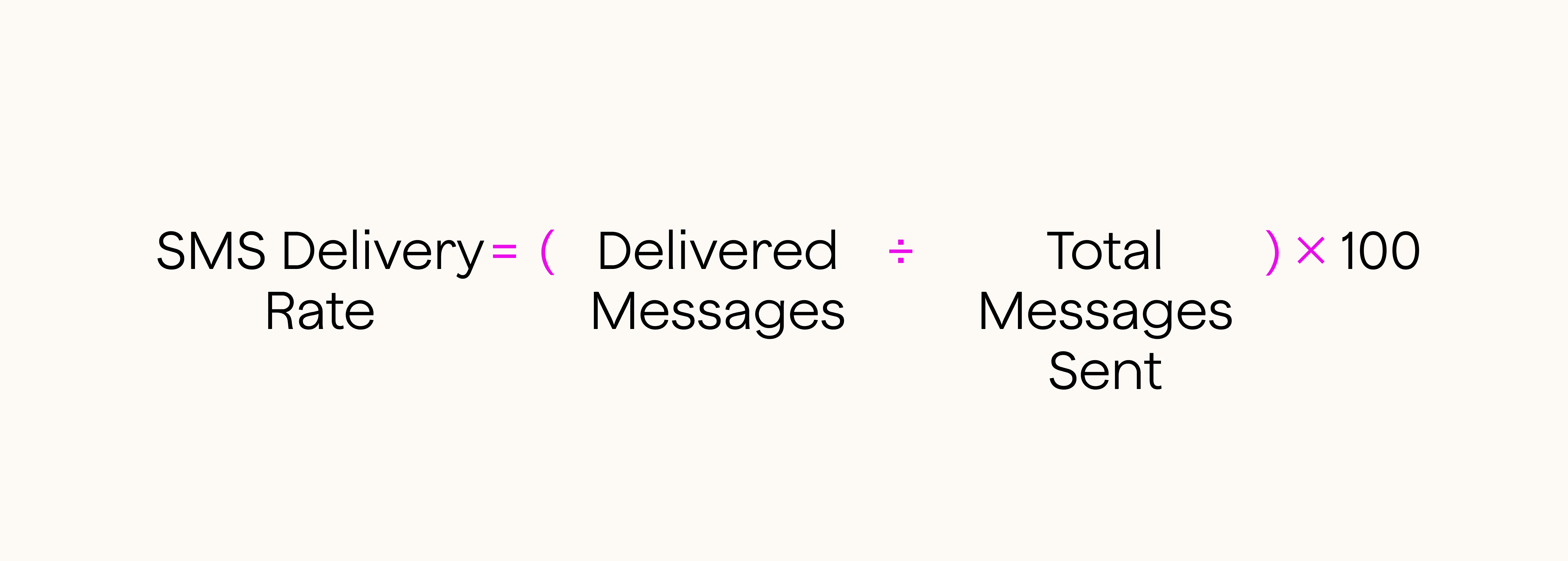
SMS Delivery Rate = (Delivered Messages ÷ Total Messages Sent) × 100
2. Failed Delivery Rate
This metric shows the percentage of messages that did not reach their destination. It’s calculated by dividing the number of failed deliveries by the total messages sent, then multiplying by 100.
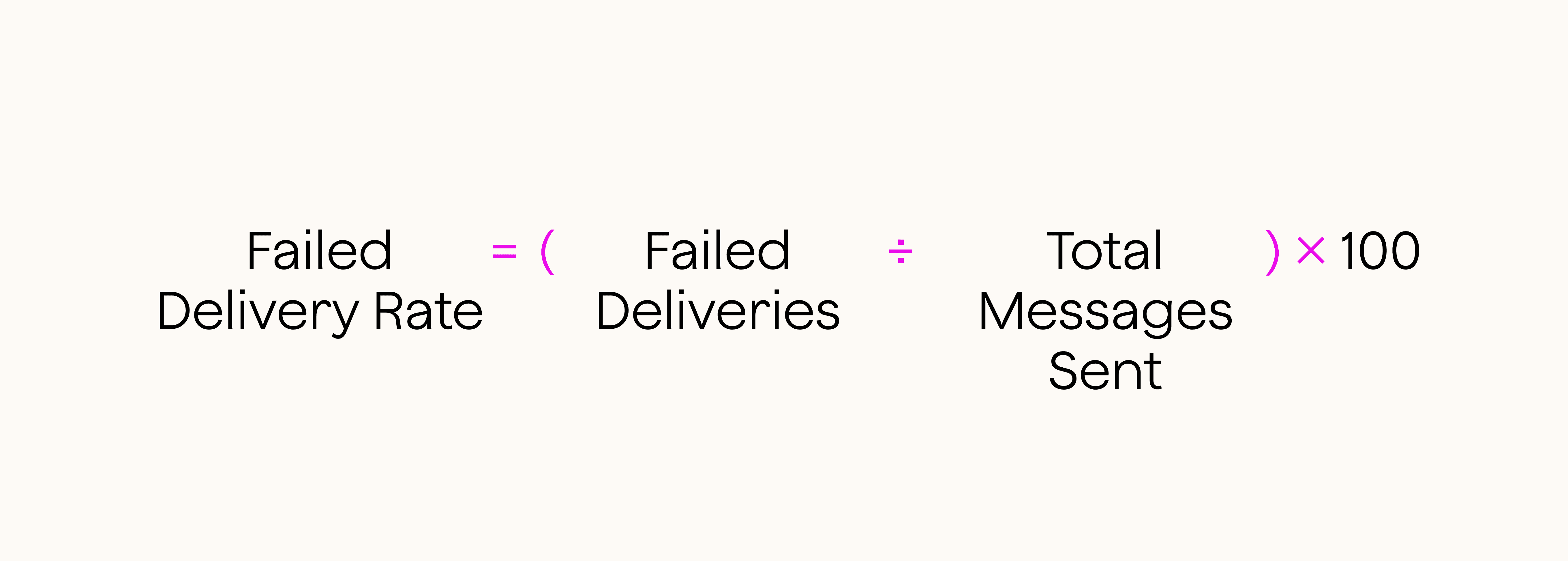
Failed Delivery Rate = (Failed Deliveries ÷ Total Messages Sent) × 100
Ideally, your delivery rate and failed delivery rate combined should add up to 100%, accounting for all message attempts.
3. Average Delivery Time
This measures how long it takes for your messages to reach recipients after being sent. You find this by adding up the delivery times for all successfully delivered messages and dividing by the total number of delivered messages.
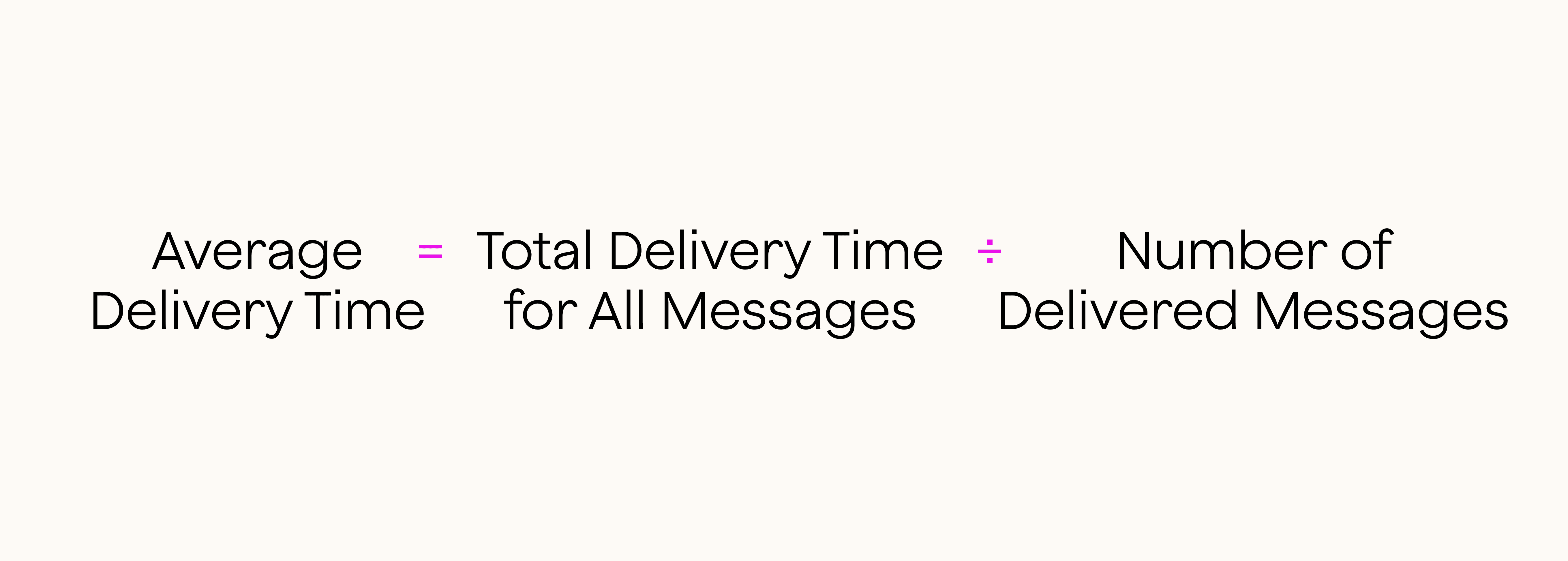
Average Delivery Time = Total Delivery Time for All Messages ÷ Number of Delivered Messages
By regularly calculating these metrics, you can get a clear picture of how well your SMS campaigns are performing and where improvements are needed.
Common Reasons Why SMS Delivery Fails
Ensuring your SMS campaigns reach their intended audience starts with understanding why messages sometimes fail to deliver. Many factors, ranging from technical limitations to carrier policies, can disrupt message delivery, resulting in frustrating sms delivery failures. By knowing the common causes, marketers can better troubleshoot and improve their sms delivery rate.
Using Grey Routes
One of the most significant but often hidden culprits behind delivery issues is the use of grey routes. These are unofficial or unauthorized pathways some SMS providers use to send messages at lower costs by bypassing official carrier channels. While grey routes may seem attractive from a cost perspective, they are notorious for poor deliverability because carriers actively monitor and block messages coming through these unofficial channels.
Brands relying on grey routes risk their messages being filtered out or delayed, leading to a high number of failed delivery notifications and damage to sender reputation. The best practice is to work with reputable SMS providers who use direct routes with carriers, ensuring better compliance and higher sms delivery rates.
Short Code or Sender ID Limitations
Another common barrier to successful SMS delivery lies in the technical restrictions imposed by carriers on short codes and sender IDs. Short codes are special phone numbers used primarily for high-volume SMS marketing, while sender IDs are the alphanumeric names shown as the sender on the recipient’s device. Carriers enforce country-specific rules on what kinds of messages can be sent via certain short codes or sender IDs.
For example, promotional messages might be banned on certain short codes, or some sender IDs may be restricted to transactional content only. If you send a message that violates these restrictions, carriers may outright block the message or delay it indefinitely. This highlights the importance of choosing the correct short code or sender ID type that fits your message content and the region you are targeting.
Carrier Filtering
Carriers actively filter SMS messages to protect users from spam and unwanted content. These filters analyze message content, frequency, and patterns to identify potential spam. Messages that include too many links, especially if using suspicious URL shorteners, or that contain keywords commonly associated with spam, can be flagged and blocked.
Personalizing your messages and keeping the content relevant and clear helps reduce the risk of getting caught in these filters. Maintaining a good sender reputation with carriers also plays a significant role in bypassing aggressive filtering.
Invalid Phone Numbers
Sending messages to invalid or inactive phone numbers is a straightforward but often overlooked cause of SMS delivery failures. Numbers may be incorrect due to typos, outdated contact lists, or users changing numbers. Each failed delivery to invalid numbers lowers your overall sms delivery rate and wastes resources.
Regularly cleaning your phone number database to remove inactive or invalid entries is essential for maintaining a healthy contact list and improving message delivery success.
Issues with the Recipient’s Device
Sometimes, the problem lies beyond your control, right at the recipient’s end. The recipient’s mobile device might be turned off, out of network coverage, or have software or settings that block incoming messages, such as spam filters on their phone. While these issues usually resolve when the device reconnects, they can cause temporary delivery failures.
Technical Problems with SMS Gateways
Finally, technical glitches with the SMS gateway platforms that route messages from your provider to carriers can cause delays or failures. Gateways might experience downtime, congestion, or software bugs that interrupt the flow of messages. Choosing a trusted SMS provider with robust infrastructure and fallback mechanisms is key to minimizing these risks.
5 Strategies to Improve SMS Deliverability
Maximizing your SMS deliverability requires a thoughtful blend of technical best practices and strategic marketing decisions. While challenges like carrier filtering and invalid phone numbers are common, proactive measures can significantly boost your sms delivery rate and overall campaign success. Here are proven strategies to help your sending messages reach the intended recipients consistently.
Regularly Clean Your Phone Number List
One of the simplest yet most effective ways to improve deliverability is maintaining a clean, up-to-date list of phone numbers. Over time, contact lists tend to accumulate invalid or inactive numbers due to users changing phones or opting out. Sending messages to these leads to repeated sms delivery failures, wasted budget, and a damaged sender reputation with carriers.
Implement regular hygiene processes such as removing numbers that bounce repeatedly, verifying new contacts through double opt-in, and segmenting your lists based on recent engagement to ensure you’re only messaging active, valid recipients.
Select a Trusted SMS Provider
Choosing the right SMS provider is crucial. Reliable providers offer strong direct connections to carriers (avoiding costly and unreliable grey routes) and robust infrastructure that reduces technical problems with SMS gateways. They provide real-time delivery reports and analytics, enabling you to monitor delivery status and quickly address issues.
Additionally, trusted providers often have built-in fraud detection and compliance tools, giving you a safeguard against spam filtering and regulatory pitfalls. Don’t compromise deliverability by opting for the cheapest or unverified providers.
Develop Engaging and Relevant Content
Carriers and recipients alike are wary of spammy or irrelevant messages. Crafting clear, concise, and valuable content increases the chances your message bypasses carrier filtering and grabs attention. Personalizing your messages based on customer data allows you to personalize your messages and make them more relevant, which also improves engagement and reduces opt-outs.
Be cautious with URLs; excessive or suspicious URL shorteners can trigger filters. Instead, use branded links or limit the number of links per message to maintain trustworthiness.
Implement Fallback Mechanisms
Even with all precautions, some messages may still fail to deliver due to factors outside your control, such as the recipient’s device being offline. To mitigate this, implement fallback mechanisms like email or app push notifications for critical communications. This layered approach ensures important information reaches customers through multiple channels, enhancing your overall messaging strategy’s resilience.
Deploy Fraud Prevention Measures
Fraudulent activities such as spoofing and phishing attacks harm your sender's reputation and increase the risk of sms delivery failures. Implementing fraud prevention measures such as sender authentication, traffic monitoring, and using dedicated short codes or sender IDs helps build trust with carriers and recipients.
Many reputable SMS providers include fraud detection features that can identify suspicious activity early, allowing you to act quickly and protect your campaigns.
Ensure Compliance with Regulations
Regulatory compliance is not just a legal obligation but also a deliverability booster. Laws like GDPR, TCPA, and other regional messaging regulations require explicit consent from recipients and regulate message content and frequency. Non-compliance often results in carrier blocks or user complaints that harm your sender score.
Regularly review your messaging practices to ensure they align with the latest regulations. Transparent opt-in and opt-out options, clear privacy policies, and respectful messaging frequency foster customer trust and improve your overall sms delivery rate.
Conclusion
SMS deliverability is crucial for successful messaging campaigns. By understanding common delivery challenges and implementing strategies like list cleaning, trusted providers, engaging content, and compliance, businesses can significantly boost their SMS delivery rates. Prioritizing these steps ensures messages reach the right audience, driving engagement and maximizing ROI.