– 11 minute read
Discover how UGC marketing builds trust, boosts engagement, and drives brand loyalty through authentic customer-created content and strategic participation.

Cormac O’Sullivan
Author

User-generated content (UGC) marketing harnesses real customer voices to build trust and boost engagement. By sharing authentic experiences, brands can influence purchasing decisions and increase loyalty. While powerful, UGC requires a careful strategy to balance creativity, control, and alignment with brand goals for lasting success.
What is UGC Marketing?
UGC marketing uses content created by customers, like reviews, social media posts, and videos, to promote brands authentically. It boosts credibility and social proof by showcasing real experiences. However, managing quality and brand alignment remains a challenge, requiring a careful balance between user creativity and marketing goals.
Different Types of UGC Content
User-generated content (UGC) takes many forms, each offering unique benefits and challenges. Understanding these types of content helps brands design better UGC strategies that connect with audiences, increase engagement, and support purchasing decisions. Below, we explore some of the most common and impactful kinds of UGC content.
Reviews and Testimonials
Reviews and testimonials are some of the most straightforward and widely trusted forms of UGC. Customers sharing their honest opinions about a product or service provide powerful social proof that influences others’ buying choices. Positive reviews can boost conversion rates by building trust and reducing purchase hesitation.
However, brands must be prepared for negative feedback as well. While critical reviews can offer valuable insights for improvement, they can also impact brand reputation if not handled properly. Encouraging honest, balanced reviews and responding constructively helps maintain credibility.
Social Media Posts
Social media posts from Instagram photos and Tweets to TikTok videos are vibrant examples of UGC that brands can leverage for widespread reach and virality. When customers share their experiences or creatively showcase products, it generates organic buzz and word of mouth that’s often more persuasive than traditional ads.
Brands can encourage users to share their experiences by creating branded hashtags or hosting contests. The downside is that social media content can sometimes veer off-brand or lack quality control. Successful UGC strategies guide creators subtly to align content with brand messaging while still allowing authentic expression.
Videos
Video content created by users is incredibly engaging, as it offers dynamic storytelling and real-life demonstrations. Examples include unboxing videos, tutorials, product reviews, or lifestyle clips showing products in action. Videos increase engagement rates and can significantly impact purchasing decisions by visually showcasing benefits.
However, videos require more effort to curate and moderate than photos or text. Brands must ensure videos reflect their values and maintain professionalism without stifling creativity. Investing in tools or teams to manage video content helps maximize their impact.
Case Studies / Customer Stories
Customer stories and case studies provide deeper, narrative-driven UGC that highlights how products or services solve real problems. These stories often include detailed experiences shared by customers or clients, making them valuable assets for building emotional connections and trust.
While powerful, case studies take more time to develop and usually require collaboration with customers to gather insights and approval. When done well, they become cornerstone content pieces that support both brand storytelling and SEO efforts.
Blog Posts
User-created blog posts add another rich layer of content created around a brand or product. Bloggers or customers may write detailed reviews, how-to guides, or personal experiences that help educate potential buyers and enhance SEO. Blogs allow for longer-form storytelling and often target niche audiences, expanding brand reach in specific segments.
However, integrating UGC blog posts requires clear quality standards and editorial guidelines to maintain brand voice and avoid misinformation. Brands can invite guest bloggers or community members to contribute, fostering a sense of ownership and engagement.
6 Key Benefits of UGC Marketing
User-generated content (UGC) marketing is transforming how brands connect with audiences. By leveraging content created by real customers, companies can build stronger relationships, increase engagement, and boost conversion rates. However, while the advantages are clear, brands must also recognize the challenges that come with managing and scaling UGC campaigns effectively.
Cost-effectiveness
One of the greatest advantages of UGC marketing is its cost-effectiveness. Instead of investing heavily in studio shoots or paid ad production, brands can use authentic, user-created content to fill their marketing pipelines. This drastically lowers content creation costs while keeping campaigns fresh and relatable. For small businesses or startups, this can level the playing field against larger competitors.
That said, cost-effectiveness doesn’t mean “free.” Brands still need to invest time and tools to curate, moderate, and sometimes incentivize participation. The best approach combines organic sharing with thoughtful encouragement, creating an ecosystem where users feel genuinely inspired to share their experiences.
Virality
UGC thrives on the natural human instinct to share. When users create content they’re proud of, it spreads quickly across platforms, amplifying visibility through likes, shares, and comments. Viral UGC campaigns can catapult brand awareness, as seen in iconic examples like Coca-Cola’s “Share a Coke” or Apple’s “Shot on iPhone.”
However, virality is unpredictable. What works once may not work again, and brands can’t fully control the narrative once content starts spreading. The key is to design campaigns that encourage organic participation while preparing for the reputational risks that come with rapid visibility.
Brand Loyalty
Engaging customers as co-creators fosters a sense of belonging and emotional connection to the brand. When people see their content acknowledged or featured, it strengthens loyalty and encourages long-term advocacy. This sense of community transforms one-time buyers into brand ambassadors who continuously share their experiences.
The challenge lies in maintaining that engagement. Without consistent recognition or genuine appreciation, creators may lose motivation. Regularly spotlighting UGC creators and building community initiatives ensures loyalty remains authentic and sustained.
Social Proof
Social proof is a psychological driver behind many purchasing decisions. Seeing real people use and enjoy a product increases trust more than any polished ad ever could. UGC marketing builds this credibility naturally, influencing potential buyers through relatable experiences. Brands using UGC see a 20% increase in conversion rates and a 50% lift in engagement compared to traditional marketing content.
However, the impact of social proof depends on transparency. Brands that manipulate or over-edit UGC risk losing authenticity. Encouraging honest feedback, even if it’s not perfect, creates a more believable and trustworthy image.
Authenticity
In an age of skepticism, authenticity is marketing gold. UGC offers a raw, unfiltered view of how products fit into real lives. This authenticity resonates deeply, driving emotional connections that traditional influencer marketing sometimes fails to achieve.
Still, authenticity must be balanced with brand alignment. Brands should set guidelines to maintain quality without diluting individuality. The goal is not perfection but genuine representation.
Adaptability and Flexibility
UGC is inherently adaptable. It can be used across multiple marketing strategies from social media campaigns to email newsletters, paid ads, and even website galleries. This flexibility allows brands to keep content diverse, dynamic, and responsive to trends.
However, flexibility also requires structure. Without strategic curation, UGC can become scattered and inconsistent. A strong framework for collecting, organizing, and repurposing content ensures UGC remains cohesive and impactful across touchpoints.
7 Best Practices for a Winning UGC Strategy
Building a strong UGC marketing strategy isn’t just about collecting user-generated content; it’s about creating a sustainable framework that balances authenticity, consistency, and respect for creators. The most successful brands treat their audience as collaborators rather than just consumers, guiding participation while maintaining brand integrity. Below are the essential best practices for building a winning UGC strategy.
Actively Encourage Sharing
UGC doesn’t happen by chance; it thrives in environments that invite participation. Brands should make it easy and exciting for customers to share their experiences. This can be done through branded hashtags, social media contests, or creative challenges that motivate users to contribute. For instance, asking customers to share content around specific themes or experiences helps generate consistent, brand-relevant posts.
However, encouragement should never feel forced. Overly aggressive campaigns risk making content feel staged or inauthentic. The best approach is to integrate UGC prompts naturally into the customer journey, such as post-purchase emails or loyalty program rewards that invite customers to share photos or reviews.
Give Respect and Recognition to UGC Creators
UGC creators are the lifeblood of your community. Recognizing their contributions is crucial for fostering ongoing engagement and brand loyalty. Simple gestures like resharing their posts, tagging them on social media, or featuring their content on your website can make creators feel valued.
Recognition also enhances social proof by showing real people behind your brand narrative. However, respect must go beyond visibility. Brands should always credit creators properly, acknowledge their ownership of content, and avoid editing submissions in ways that distort intent. Building a culture of appreciation turns contributors into advocates who continue sharing and promoting your brand authentically.
Guide and Align UGC with Your Brand
While user-generated content should be authentic, it also needs to align with your brand identity and tone. Providing creative direction, such as mood boards, sample captions, or content guidelines, can help steer creators without stifling their individuality.
For example, a sustainable fashion brand might encourage users to highlight ethical choices in their outfits, while a travel company may suggest capturing experiences that reflect adventure and cultural appreciation. This balance between structure and freedom ensures the content remains both genuine and on-brand.
Always Request Permission
Using customer content without consent can damage trust and even lead to legal issues. Always request permission before republishing UGC on your channels. Tools like rights management platforms or simple DM approvals can make this process seamless.
Transparency is essential. Explain how the content will be used and why it benefits both parties. Respecting intellectual property not only builds credibility but also demonstrates that your brand values fairness and user ownership.
Align UGC with Social Strategy and Marketing Goals
UGC should never exist in isolation; it needs to align with broader marketing strategies. Whether your goal is to increase engagement, drive traffic, or build social proof, UGC must support these objectives.
For instance, if your focus is conversion, prioritize content that demonstrates real product benefits or features customer testimonials. If awareness is the goal, highlight visually engaging UGC that sparks conversation and sharing. Clear goal alignment ensures every piece of user content contributes meaningfully to brand growth.
Curate and Collect Content Strategically
Not all UGC is equal. Brands need systems to collect, organize, and evaluate content effectively. Using tools like TINT or Stackla can help gather content from multiple platforms, filter submissions, and identify top-performing pieces.
Curation ensures that only high-quality, brand-relevant UGC is showcased. It also helps maintain consistency across channels, preventing your feed or campaigns from appearing disjointed. Strategically curating content turns raw user submissions into cohesive marketing assets.
Amplify and Repurpose Content
The true value of UGC lies in its versatility. Once permission is granted, repurpose content across multiple touchpoints, such as social media, email campaigns, product pages, or even paid ads. This not only maximizes ROI but also reinforces authenticity across channels.
For example, a customer video can be shortened for Instagram Reels, included in a product landing page, and featured in an email testimonial. Repurposing extends content lifespan while keeping messaging organic and credible.
5 Ways to Use UGC in Marketing
User-generated content (UGC) isn’t just a source of inspiration; it’s a marketing powerhouse when applied strategically. From advertising and social challenges to influencer collaborations, there are numerous ways to integrate UGC into campaigns to build trust, authenticity, and engagement.
Run UGC Advertisements
Incorporating UGC into paid advertising is one of the most effective ways to increase conversion rates and strengthen social proof. Ads featuring real customer photos or testimonials often outperform brand-created visuals because they feel more relatable and credible. For instance, featuring customer reviews or product unboxing videos in ad creatives can significantly boost engagement and trust.
However, brands must ensure they have explicit permission from creators before repurposing their content. Additionally, while UGC ads feel authentic, maintaining quality and consistency is key; poorly presented content can diminish professionalism.
Create Incentivized UGC Campaigns
Encouraging customers to create content through incentives such as discounts, loyalty points, or giveaways can drive large-scale participation. These campaigns are particularly useful for generating buzz around product launches or seasonal promotions.
That said, incentives must feel organic. Overly transactional campaigns risk diluting authenticity if users create content purely for rewards rather than genuine enthusiasm. The best approach is to reward creativity and sincerity, recognizing contributors publicly or featuring their work in future marketing.
Run UGC-Driven Challenges
Hashtag challenges are one of the most dynamic ways to inspire participation on platforms like Instagram or TikTok. Encouraging users to share content around a specific theme or challenge creates community engagement and drives word of mouth organically.
For example, fitness brands often invite customers to post workout videos with branded hashtags, creating viral visibility while showcasing real results. The challenge lies in maintaining momentum and moderating submissions to ensure content aligns with brand values.
Repost Natural UGC
Sometimes, the most powerful content is already out there. Reposting natural UGC posts created spontaneously by customers shows genuine appreciation and authenticity. Highlighting customers’ social media posts or featuring them on brand channels reinforces connection and loyalty.
However, brands must always credit and thank creators. Reposting without acknowledgment can damage trust and discourage future participation.
Invest in Influencer Marketing
Partnering with influencers who already create authentic UGC bridges the gap between traditional influencer marketing and organic content. These creators bring credibility, creativity, and established audiences.
The key is to collaborate with influencers whose values align with the brand. When influencer-led UGC feels natural rather than sponsored, it resonates more deeply with audiences and strengthens the perception of authenticity.
5 Examples of Brands Using UGC Well
Some of the most successful global brands have mastered the art of UGC marketing, transforming customer creativity into powerful storytelling. These campaigns demonstrate how authentic, user-created content can fuel engagement, strengthen brand loyalty, and drive viral visibility when executed thoughtfully.
Coca-Cola: “#ShareACoke”
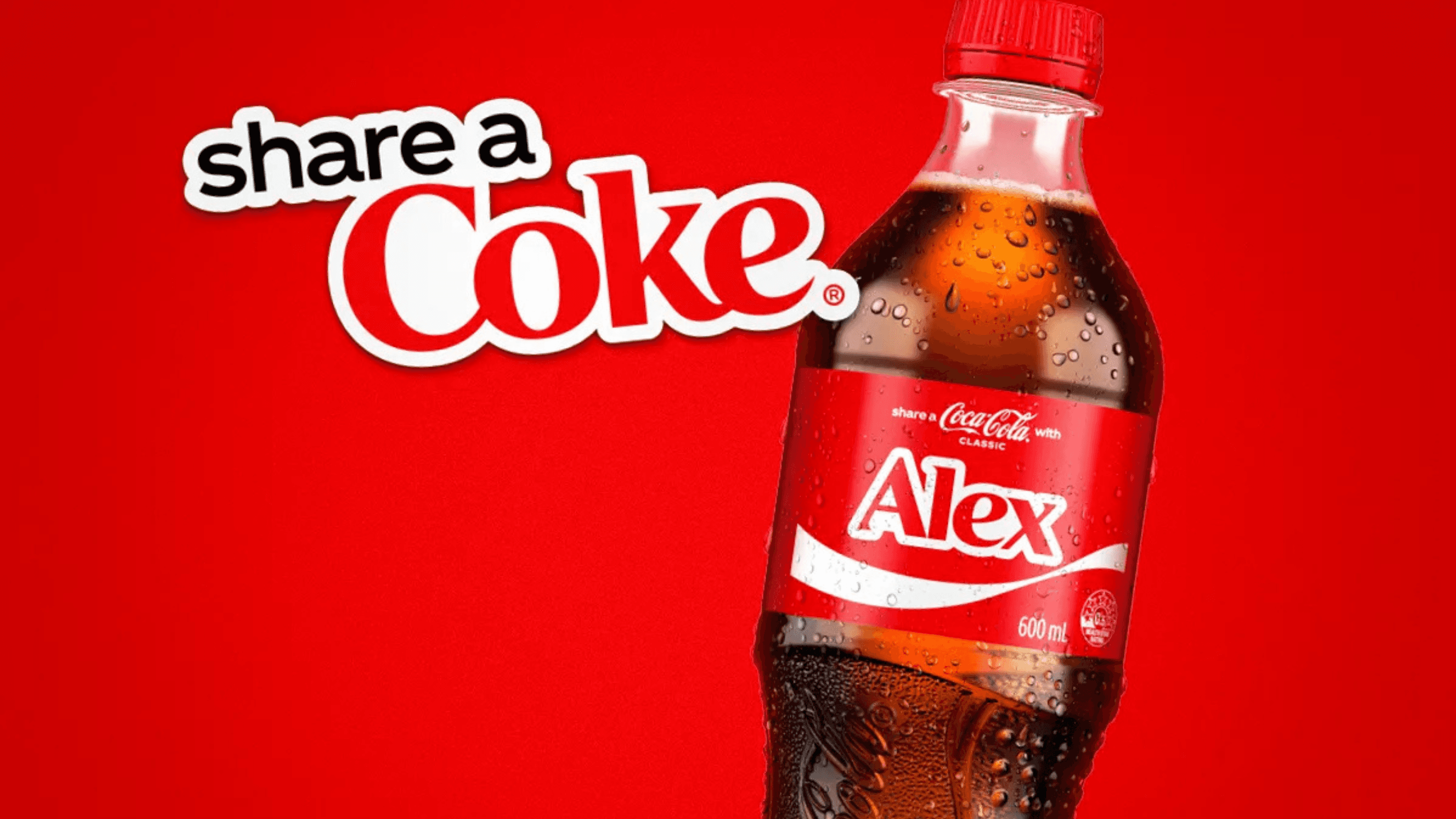
Coca-Cola’s #ShareACoke campaign remains one of the most iconic UGC examples in marketing history. By printing popular names on bottles and encouraging customers to share photos with personalized drinks, Coca-Cola turned a simple idea into a global movement. The campaign thrived on emotional connection and personalization, inspiring millions to create and share content.
Its success came from inclusivity and emotional relevance, but it also showed that personalization needs to evolve. As the campaign grew, maintaining excitement required adding new themes and experiences to prevent audience fatigue.

Apple: “#ShotOniPhone”
Apple’s #ShotOniPhone campaign harnessed the creativity of everyday users by showcasing real photos and videos captured on iPhones. It demonstrated not only the product’s capabilities but also celebrated user artistry. The campaign blurred the line between professional and consumer-generated content, elevating UGC to premium brand storytelling.
Its main strength lies in curation. Apple sets high creative standards while still giving users freedom of expression. This balance ensures that authenticity doesn’t compromise quality, a lesson for brands aiming to merge UGC with luxury positioning.

GoPro
GoPro’s marketing thrives almost entirely on user-generated content. The brand encourages adventurers and creators to share thrilling footage captured with its cameras, turning customers into ambassadors. This constant stream of user content fuels GoPro’s YouTube and social channels, generating engagement and product credibility.
However, GoPro’s success also depends on maintaining a passionate niche community. The challenge is expanding UGC appeal beyond extreme sports to everyday storytelling without losing brand identity.

Starbucks: The White Cup Contest
Starbucks invited customers to decorate their signature white cups and share designs on social media. The White Cup Contest transformed simple packaging into an artistic canvas, blending creativity, brand engagement, and community participation.
This campaign succeeded because it gave users freedom and ownership. It also reinforced Starbucks’ community-driven image, though it highlighted the need for careful moderation to manage the volume of submissions.
Framer
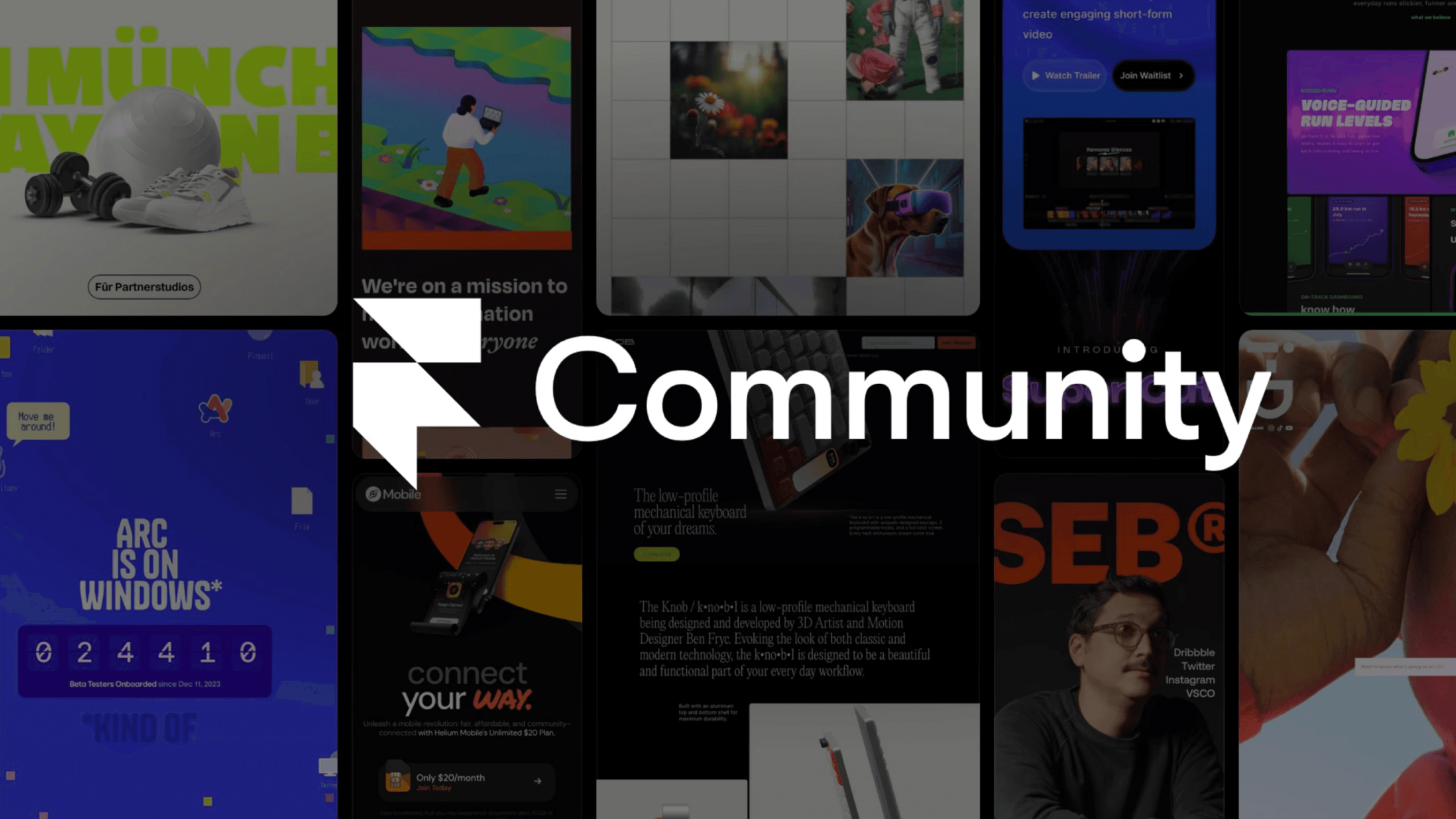
Framer leverages UGC by showcasing real user projects built on its design platform. By highlighting community work on its website and social channels, Framer demonstrates its product’s capabilities while building a sense of shared innovation.
Its approach shows that UGC doesn’t have to be flashy or viral; it can be practical, value-driven, and educational. This reinforces trust while nurturing an active, creative community.
Conclusion
UGC marketing turns customers into powerful brand advocates, building trust and authenticity that traditional advertising can’t match. By encouraging genuine participation, recognizing creators, and strategically curating content, brands can create meaningful engagement, lasting loyalty, and organic growth through the voices of their most valuable promoters, their customers.