

Sell the Occasion: How Food Brands Grow Average Order Value
A customer doesn't always think "I need SKU 8472 again." They think "I need coffee for the week." "I need snacks for the children's lunches." "I'm hosting friends on Saturday." "I need quick dinners for a busy week." "I want to send someone a gift."
Food purchases are often organized around moments, routines, and occasions, not individual products in isolation. That creates a real opportunity to boost average order value in a way that goes beyond simply recommending the product someone already bought.
Instead of only asking which product should be promoted, brands can ask a more useful question: which occasion is this customer trying to complete? Answer that well, and a bigger basket tends to follow naturally, rather than needing to be forced with a sitewide discount.
A Single-Product View Misses the Real Opportunity
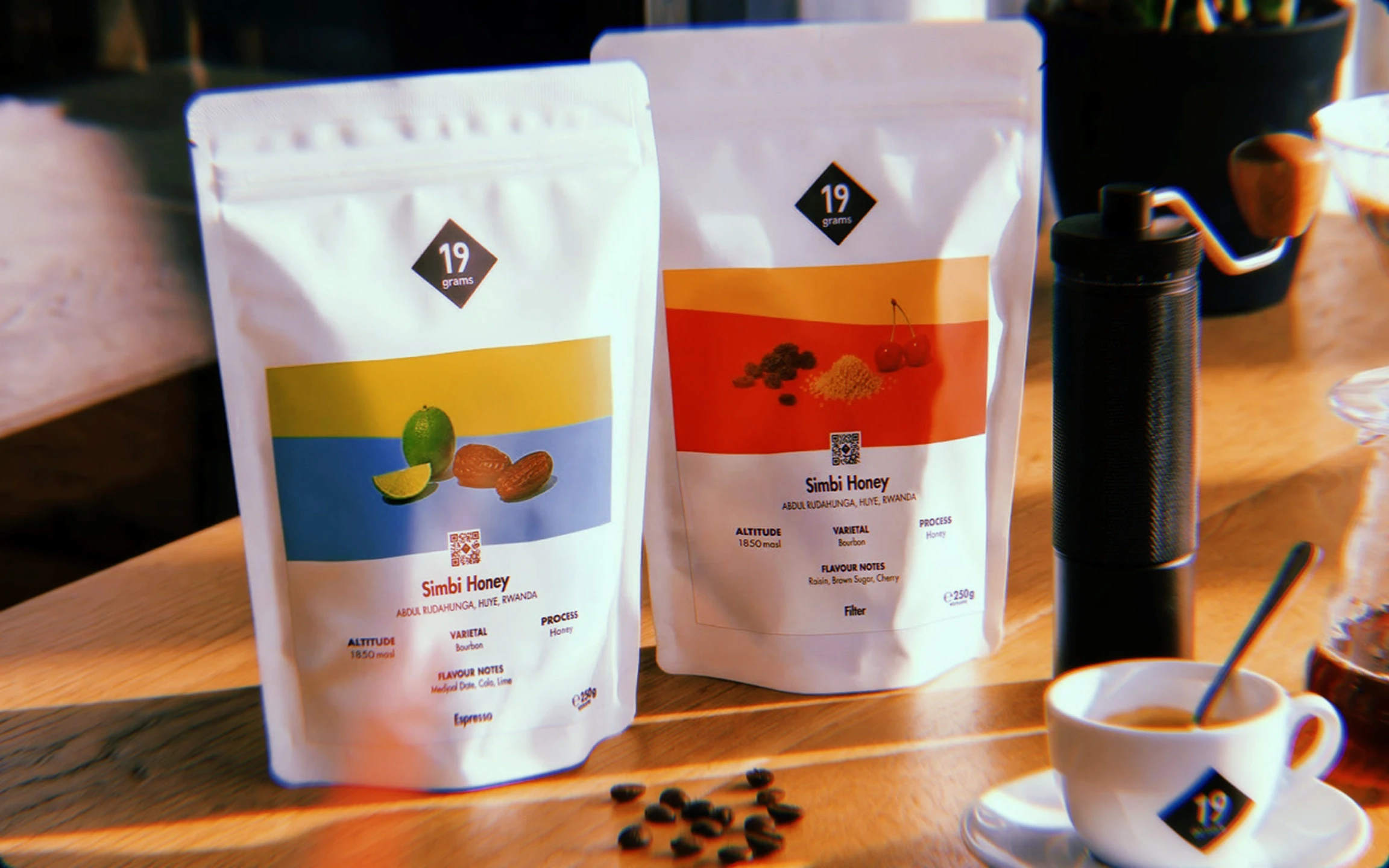
Imagine a customer who orders coffee. A basic follow-up campaign promotes more coffee. That may be useful, but it ignores the wider occasion the coffee is actually part of.
The customer may also be interested in filters, tea for another household member, biscuits or snacks, a storage product, a gift subscription, or a larger delivery format. The answer shouldn't be a random list of "frequently bought together" products. It should reflect previous purchases, stated preferences, household context, loyalty status, and the occasion suggested by the customer's actual behavior.
Leat Customer Profiles can hold complete purchase history and customer-provided attributes that can be used for segmentation and campaigns, giving a brand the raw material to build a genuinely bigger, more relevant basket rather than a bolted-on upsell.
Build an Occasion Map
A food or beverage brand can organize products around a small number of recognizable occasions, each one a natural opportunity to grow the basket rather than just repeat the last sale.
The morning routine might include coffee, tea, breakfast products, functional drinks, or convenient snacks, with a loyalty action like earning bonus points when adding a second morning category to an eligible order.
The lunchbox might include multipack snacks, drinks, portioned products, or recurring pantry items, with a loyalty action like completing three qualifying lunchbox orders to unlock a product reward.
The weeknight meal might include meal kits, sauces, pantry staples, side dishes, or add-ons, with a loyalty action like choosing an eligible side or pantry item to receive additional loyalty progress.
Hosting and sharing might include specialty foods, beverages, serving products, mixed boxes, or gift cards, with a loyalty action like unlocking a hosting reward after purchasing across two relevant categories.
Gifting might include coffee and tea sets, wine or beverage gifts, specialty food hampers, subscriptions, or digital gift cards, with a loyalty action like rewarding the purchaser with points once the recipient completes a first eligible order.
Each of these occasions naturally pulls in more than one category, which is exactly where average order value grows, provided the additional items feel genuinely relevant rather than tacked on.
Reward Discovery Without Discounting the Entire Basket
The simplest cross-sell tactic is a sitewide discount. It's also one of the least precise, and it discounts items the customer was already going to add regardless of the incentive.
An occasion-based reward can instead focus on the specific product behavior a brand actually wants to create: double points on a complementary category, a free sample after an eligible basket, a fixed product reward, progress toward a themed collection, member-only access to a limited bundle, or a voucher valid only for an unexplored category.
Leat allows points to be earned through selected products, and brands can create rewards that include products, offers, or experiences. That makes it possible to influence basket composition, and grow order value, without reducing the price of every item in the cart.
Let Customers Shape the Personalization
Food preferences can be highly personal, and some of the best signals for growing a basket come directly from the customer rather than inferred from purchase history alone.
A customer could choose favorite flavors, preferred coffee type, household size, dietary preferences, preferred occasions, products they don't want, or how frequently they want to hear from the brand. This has two advantages. First, it makes cross-category suggestions genuinely more relevant, which is what actually drives a customer to add another item. Second, it avoids making personalization feel invisible or intrusive, which can backfire and make a customer more cautious about a brand rather than more receptive to it.
Customer-provided attributes can be stored in Leat profiles and used for segmentation and campaigns aimed specifically at basket growth.
Use AI to Choose Between Relevant Actions
Suppose a snack customer has only ever purchased one flavor. The business objective is increasing category exploration, and by extension, order value.
Possible actions include showing a mixed box, providing bonus points on another flavor, adding a low-cost sample, offering a bundle benefit, or taking no action yet if the customer is already likely to expand their basket on their own.
Leat AI Predict can estimate which available offer is most likely to support movement into another customer segment, while Leat AI Agent can then work within configured margin and approval limits when assigning point boosts, vouchers, or gift card credit. The system shouldn't invent an unlimited offer to chase a bigger basket. It should select from incentives the brand has already made commercially and operationally available.
A Specialty Food Example
Imagine a customer who buys pasta and one sauce. The brand wants to grow that basket into a broader pantry relationship over time.
A poorly targeted campaign simply sends "20% off everything." An occasion-based journey instead starts by recognizing the likely occasion, a weeknight dinner, and identifying relevant next categories like olive oil, pantry seasoning, or another sauce style. The lowest-cost action is showing a relevant recipe alongside the customer's current points balance. The next step up offers bonus points on one complementary category. Only if the customer becomes inactive does the journey escalate to a conditional basket voucher.
The brand creates relevance first. The incentive gets added only when relevance alone is unlikely to be enough to grow the basket on its own.
Don't Confuse a Larger Basket With a Better Basket
An increase in average order value isn't automatically profitable, and it's worth being honest about that before treating AOV as the only metric that matters.
The brand should also consider product margin, shipping weight, fulfillment cost, breakage or temperature requirements, spoilage risk, incentive cost, and likelihood of a return purchase. A heavy, low-margin addition may increase revenue while quietly weakening contribution margin at the same time. Occasion-based personalization should optimize for customer value and commercial fit, not simply the number of items sitting in the cart.
Measure Occasion-Based Growth
Useful KPIs include items per order, average order value, cross-category purchase rate, full-price revenue, contribution margin per basket, second-category conversion, repeat rate after category discovery, and incentive cost per incremental item.
Bain and Fetch Rewards found that new CPG customers who earned a first-purchase reward were 18% more likely to repurchase during the following two quarters, and generated a 28.4% spending uplift versus organic purchasers, with snacks showing a 51% repurchase rate in the same analysis. These are broad CPG findings, not a guaranteed outcome for any specific Leat customer, and the same research emphasizes avoiding incentives for customers who would have purchased anyway.
The objective isn't pushing more products into every basket indiscriminately. It's helping the right customer complete a relevant occasion, with a bigger, more profitable basket as the natural result rather than the forced goal.
Frequently Asked Questions
What is occasion-based food ecommerce personalization?
It organizes products and rewards around customer moments such as breakfast, lunchboxes, hosting, gifting, or weeknight meals, rather than treating every item as an isolated purchase disconnected from what else the customer actually needs.
Can loyalty rewards increase average order value?
They can encourage relevant cross-category behavior through bonus points, product rewards, bundles, and conditional vouchers, which tends to grow order value more sustainably than a blanket discount. Brands should still measure margin alongside order value, not just the size of the basket.
Does Leat recommend food products automatically?
Leat can connect purchase data, profiles, segments, product rules, and incentives. The exact product selection and merchandising logic remain part of the brand's own ecommerce setup and campaign design.










































