August 4, 2025
– 5 minute read
Discover how Closed Loop Loyalty uses real-time data and feedback to personalize rewards, boost customer retention, and drive long-term business growth.

Cormac O’Sullivan
Author

Building strong customer loyalty is vital for any business seeking sustainable growth. While loyalty programs are common, not all deliver equal impact. Closed-loop loyalty offers a powerful way to deepen customer connections by leveraging real-time data to personalize experiences and rewards.
This program tracks detailed purchase behavior through payment methods such as credit cards, debit cards, or closed-loop prepaid cards. By combining this data with customer feedback, businesses can tailor offers and enhance the overall shopping experience. The result is a loyalty program that not only rewards customers but also significantly boosts their engagement and satisfaction.
What is Closed Loop Loyalty?
Closed-loop loyalty is a program designed to track customer purchases and behaviors within a specific brand or network. Closed-loop programs collect detailed insights about what customers buy and when.
How does Closed Loop Loyalty Work?
Closed-loop loyalty works by creating a continuous feedback cycle where customer data is collected, analyzed, and used to improve the loyalty program and overall customer experience. This system relies on tracking customer behavior across multiple touchpoints, integrating purchase data with feedback, personalizing offers based on real-time insights, and ultimately closing the loop by turning insights into action.
Tracking Customer Behavior Across Touchpoints
The first step in closed-loop loyalty is tracking every time customers interact with the brand. This includes buying in stores, shopping online, using mobile apps, and talking with customer service. When customers pay with credit cards, debit cards, or closed-loop prepaid cards, the system records detailed transaction data. This full tracking helps businesses understand how customers connect with their brand across all channels.
Integrating Purchase Data and Feedback
Closed-loop loyalty does more than track purchases; it also includes customer feedback to improve the data. After buying something, brands can gather feedback through surveys, reviews, or direct talks. This extra step helps companies learn not just what customers buy but why they choose those items and how happy they are with the experience.
By combining purchase data with feedback, businesses get a clearer view of customer reasons and problems. This mix makes the loyalty program smarter, helping companies create rewards and offers that better fit customer needs.
Personalizing Offers Based on Real-Time Insights
One of the top benefits of closed-loop loyalty is using real-time data to personalize offers. Because the system constantly collects and studies customer actions and feedback, it can create very targeted promotions right away.
For example, if a customer often buys athletic clothes with their debit card, the system can quickly send a discount on new sports items soon after a purchase. This quick and relevant response improves the shopping experience, making customers feel valued and understood.
Closing the Loop: From Insight to Action
The final step is using all these insights to take action- this is how the loop is closed. After analyzing the data, the loyalty program uses it to improve rewards, make customer messages clearer, and fine-tune marketing plans.
This ongoing process helps the loyalty program change over time, getting better at keeping customers and boosting sales. Brands can also track how well their campaigns work through the same system, making it easy to keep improving.
4 Key Benefits of Implementing Closed-Loop Loyalty
Implementing a closed-loop loyalty program offers multiple benefits that significantly improve a business’s ability to retain customers and boost engagement. This approach not only enhances the customer experience but also drives better business results through data-driven strategies.
Improved Customer Retention and Engagement
Closed-loop loyalty programs help businesses keep customers longer by giving them personalized rewards and experiences. When customers get offers that match their preferences using real-time purchase data and feedback, they feel more valued. This personal touch leads to repeat purchases and stronger engagement.
Studies show that personalized loyalty programs can greatly boost customer retention. For example, brands that give targeted rewards see customers come back more often and spend more each time, which builds long-term loyalty.
Data-Driven Decision Making
One of the key advantages of closed-loop loyalty is the rich data it provides. By integrating purchase behavior with direct customer feedback, businesses gain actionable insights into what works and what doesn’t. This data-driven approach enables smarter marketing and operational decisions.
Companies can analyze trends and customer segments to identify opportunities for improvement or innovation. Instead of guessing customer needs, they base their strategies on concrete information, reducing risks and optimizing resources.
Higher ROI on Marketing Campaigns
Closed-loop loyalty programs boost the return on investment (ROI) for marketing campaigns. Because offers are highly targeted and based on real-time insights, campaigns become more effective and efficient.
For instance, sending a discount on a frequently purchased product right after a customer’s last purchase leads to higher conversion rates than generic promotions. The ability to measure results immediately through the same unified platform also helps marketers adjust campaigns quickly for better performance.
Stronger Brand-Customer Relationships
By consistently delivering personalized experiences and rewards, closed-loop loyalty strengthens the emotional connection between customers and brands. Customers feel understood and appreciated, which builds trust and loyalty.
The ongoing feedback collection also shows customers that their opinions matter, further deepening the relationship. Over time, this creates a community of loyal customers who are more likely to advocate for the brand and share positive experiences.
Financial institutions and retailers leveraging closed-loop programs often report stronger brand affinity and improved customer lifetime value, proving the long-term benefits of this strategy.
5 Examples of Brands Using Closed-Loop Loyalty
Starbucks
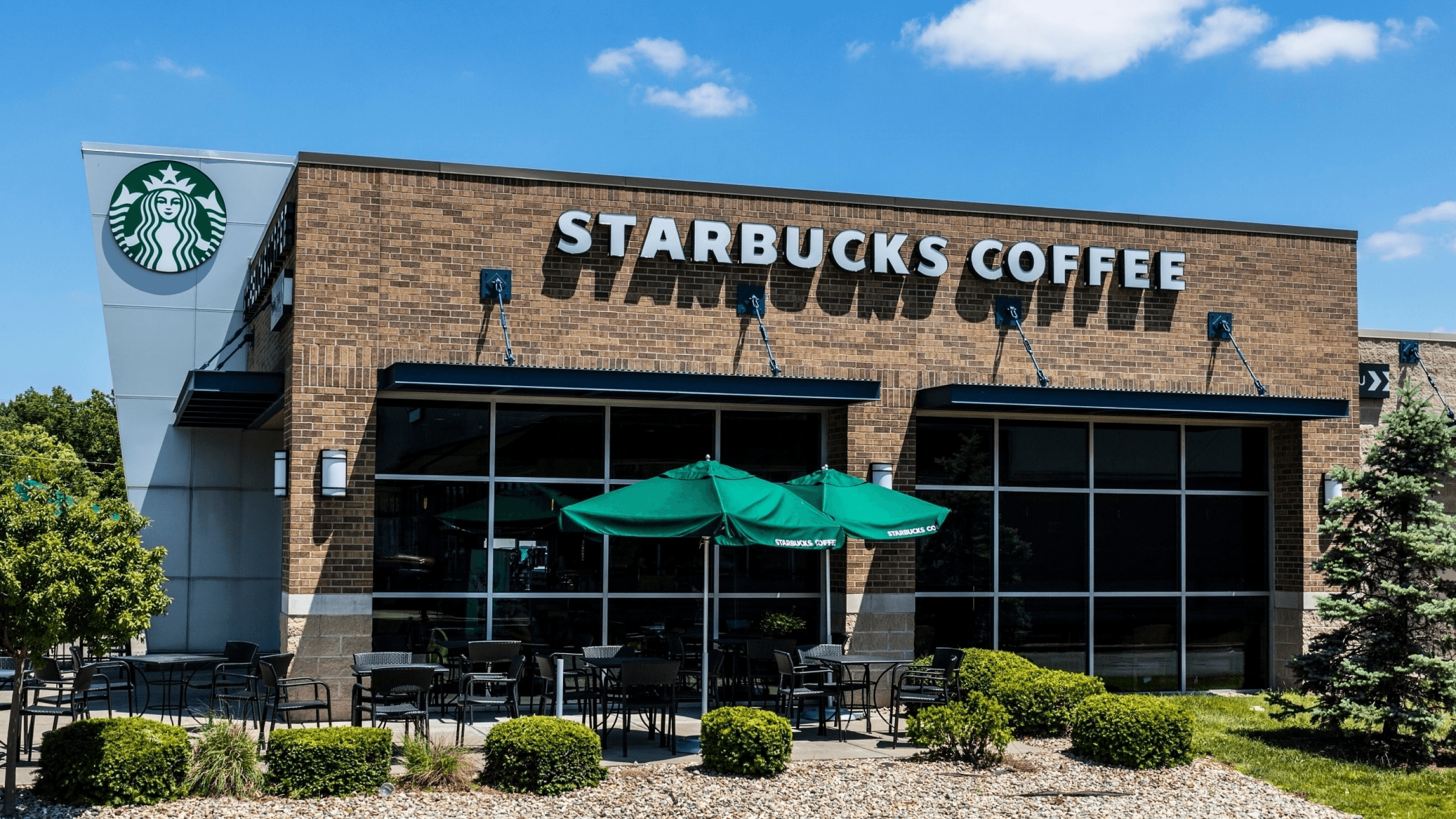
Starbucks Rewards is a leading example of closed-loop loyalty built around its mobile app. Customers pay through the app, allowing Starbucks to track purchase frequency, product preferences, and visit timing. This transaction-level data is used to deliver personalized rewards and targeted offers. Because payments and rewards are fully integrated, Starbucks has complete visibility into customer behavior. This enables continuous optimization of both the loyalty experience and promotional strategy.
Amazon
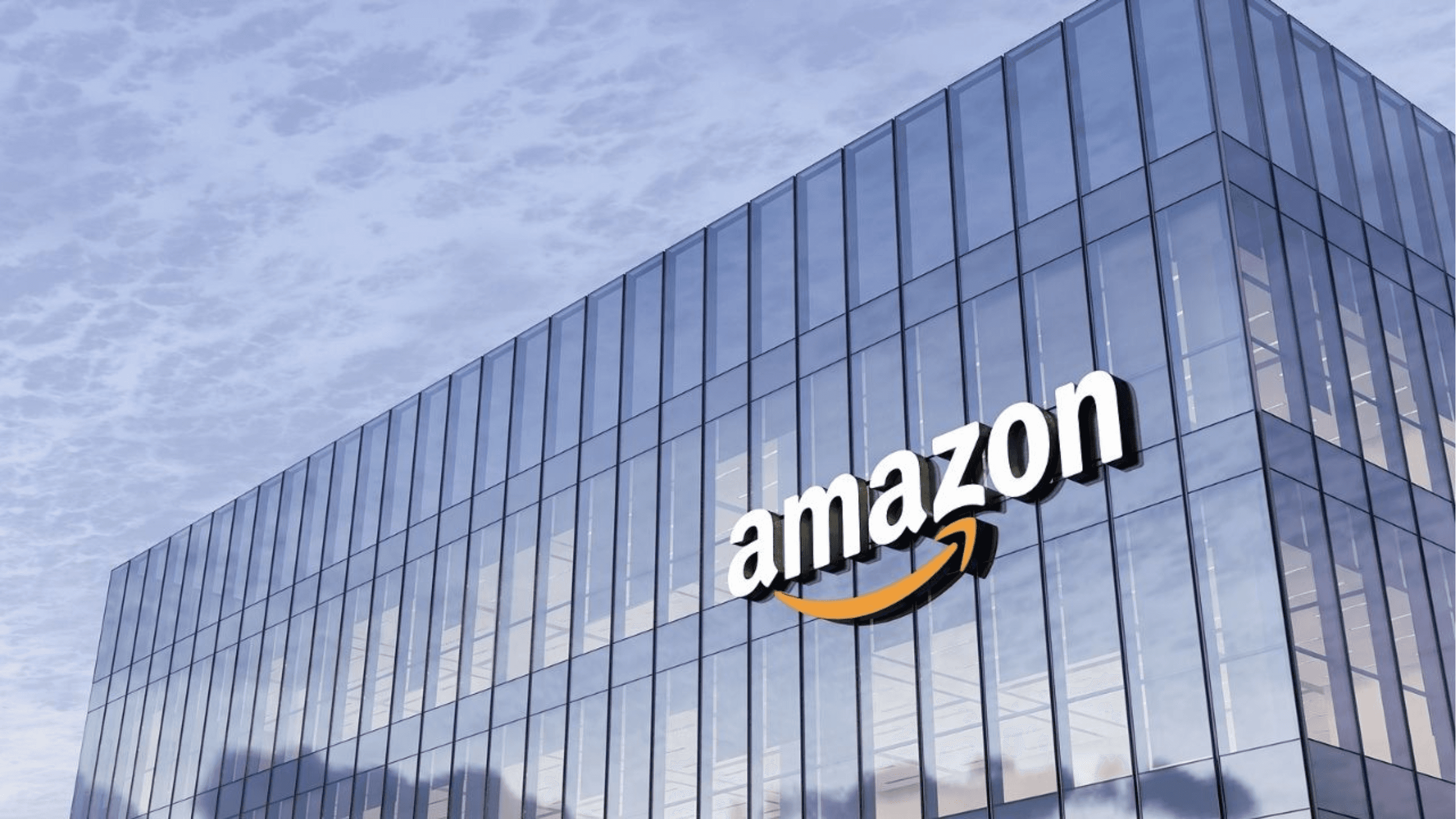
Amazon operates a closed-loop loyalty model through its ecosystem, most notably Amazon Prime. All purchases and interactions occur within Amazon’s platform, giving the company full access to behavioral data. This data fuels personalized product recommendations and targeted promotions. The seamless experience encourages repeat purchasing and habit formation. Over time, this closed-loop system drives higher customer lifetime value.
Target
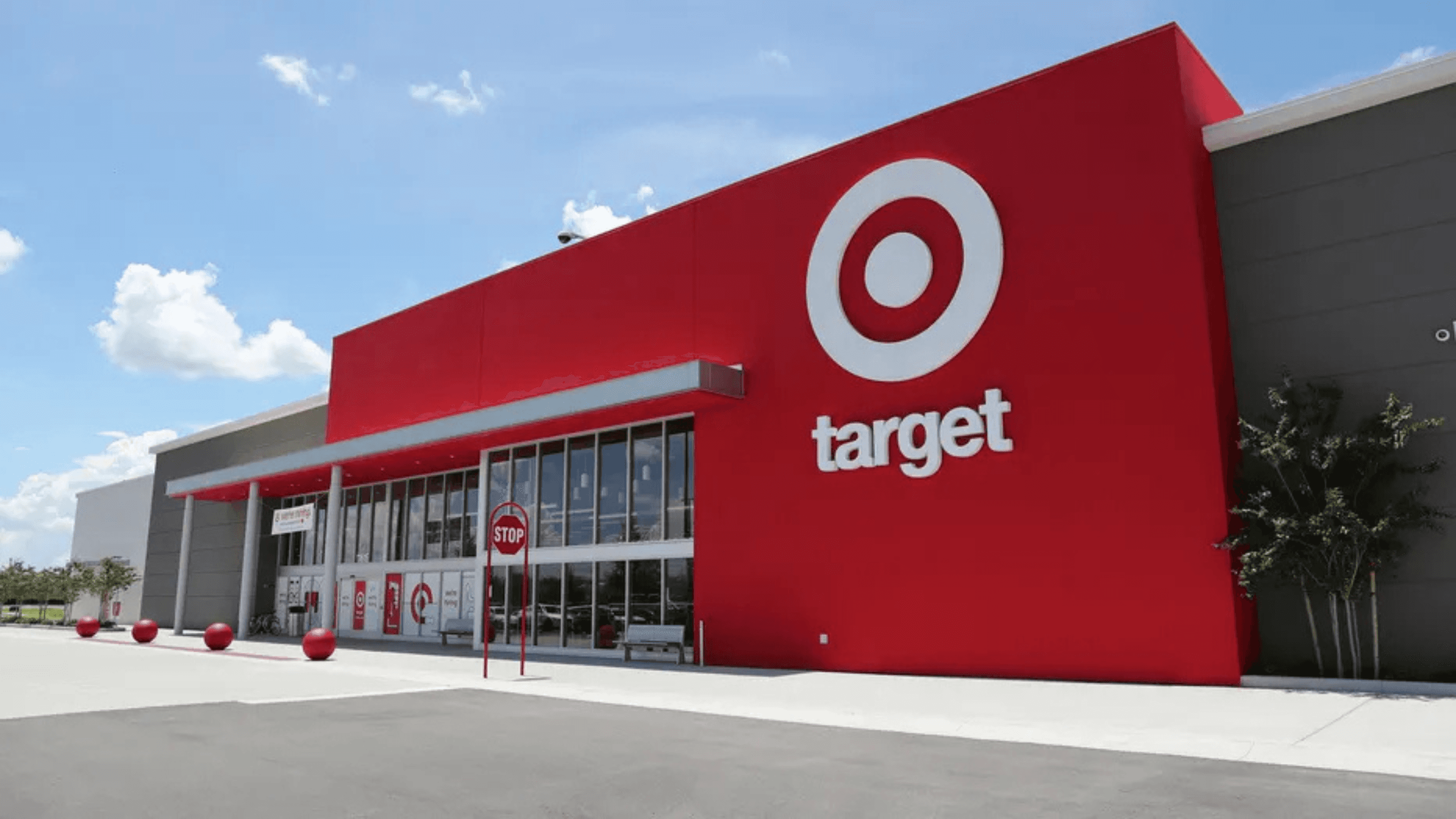
Target Circle is a closed-loop loyalty program that links in-store and online purchases to customer profiles. By connecting transactions through the Target app and payment methods, the brand tracks real buying behavior. This data allows Target to offer personalized discounts and promotions. Customers receive relevant rewards, while Target gains insights into shopping patterns. These insights support better pricing, promotion, and inventory decisions.
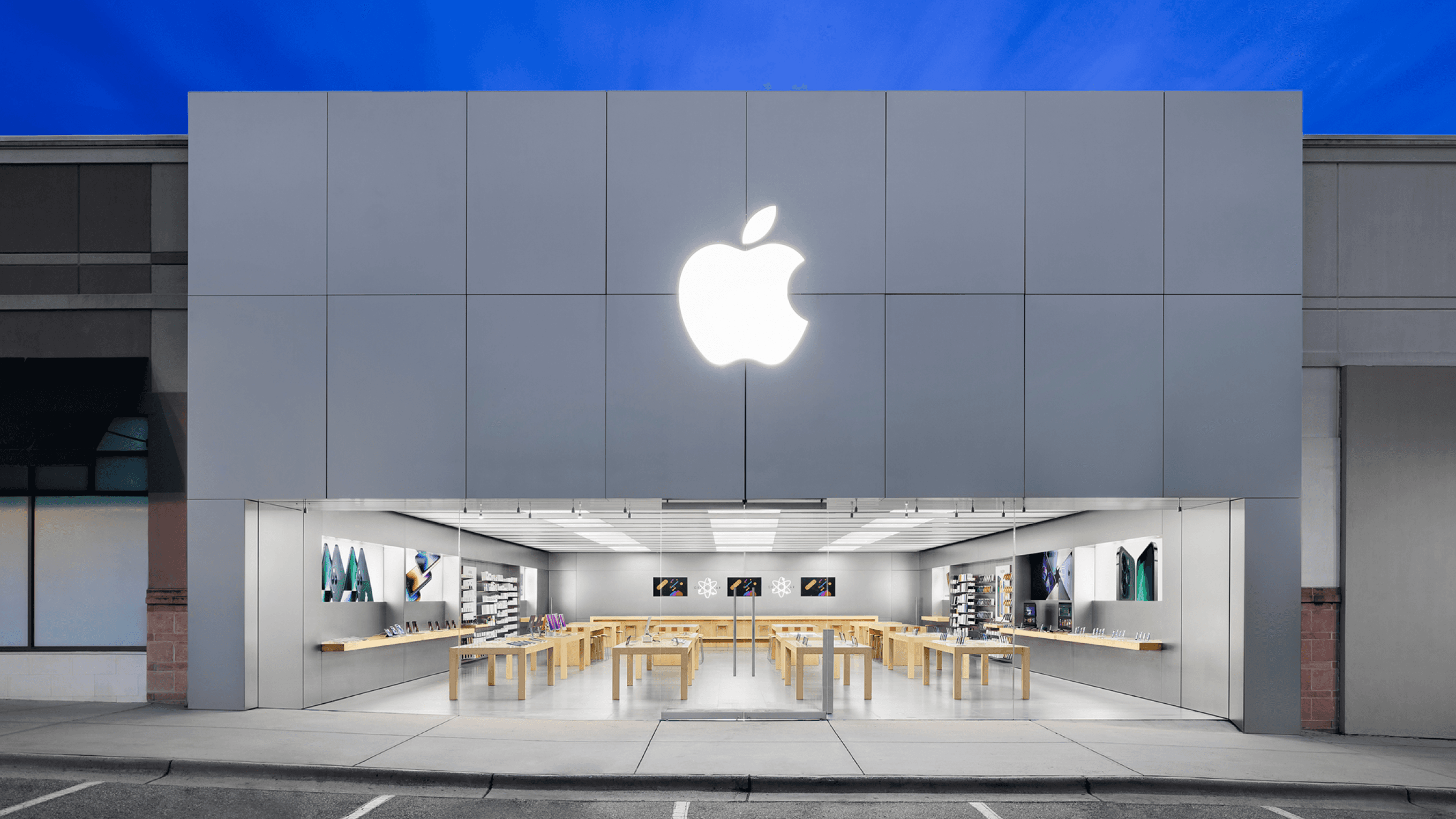
Apple
Apple’s ecosystem functions as a closed-loop loyalty environment rather than a traditional rewards program. All purchases across devices, apps, and services are tied to a single Apple ID. This gives Apple a unified view of customer behavior across its ecosystem. The data supports personalized recommendations and seamless cross-product experiences. As a result, Apple achieves strong retention through integration and convenience.
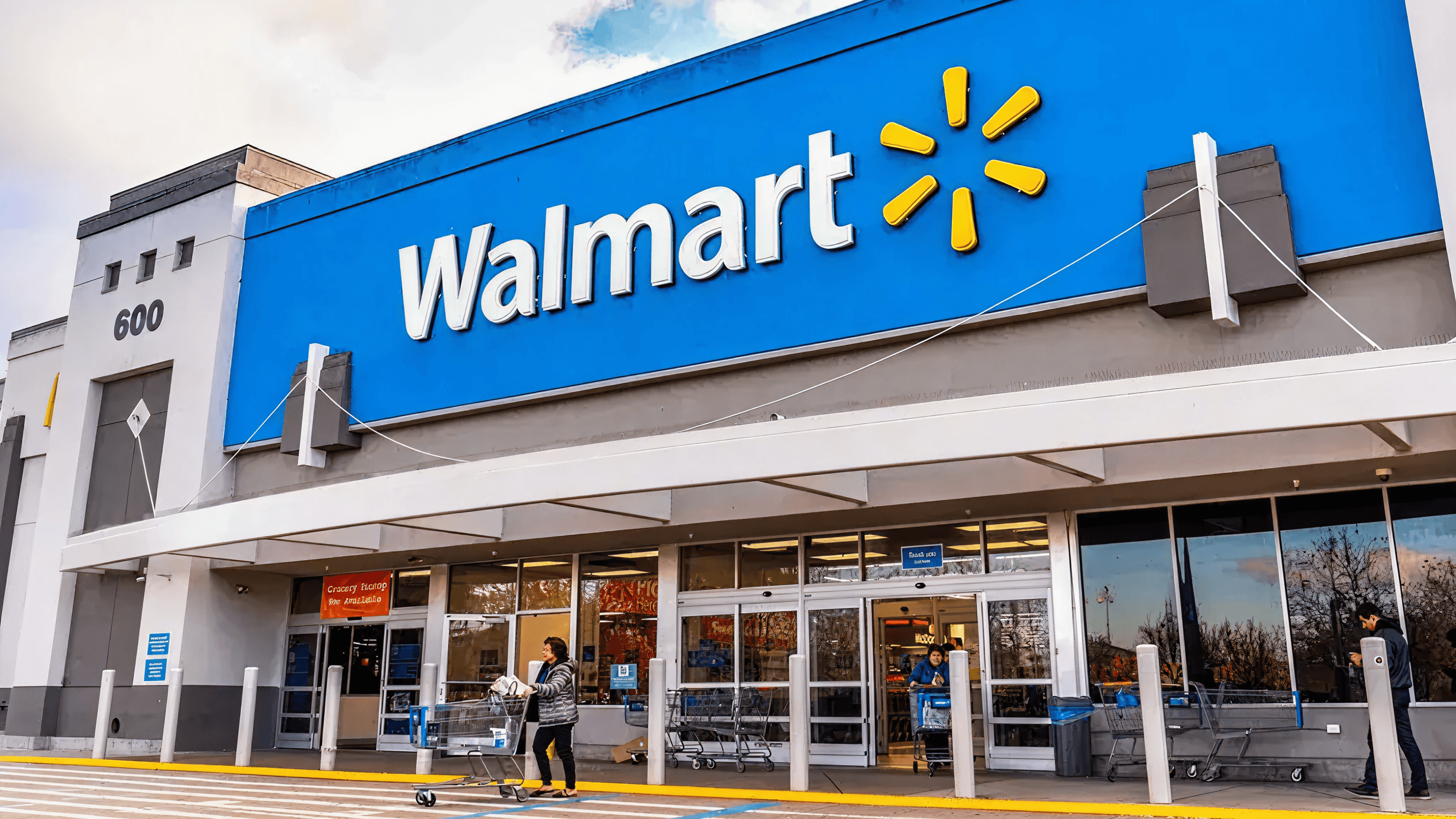
Walmart
Walmart leverages closed-loop data from in-store purchases, online orders, and app usage. By linking transactions to customer accounts, Walmart can analyze detailed shopping behavior. This insight enables targeted offers and more relevant promotions. The brand can also measure campaign performance within the same system. This closed-loop approach improves engagement while optimizing marketing effectiveness.
Conclusion
Closed-loop loyalty programs offer a powerful way to deepen customer loyalty by using real-time data to create personalized, relevant experiences. By tracking customer behavior across touchpoints, integrating purchase data with feedback, and turning insights into action, businesses can improve retention, increase engagement, and boost marketing ROI.
This data-driven approach helps build stronger brand-customer relationships and supports long-term growth. Adopting closed-loop loyalty is essential for companies looking to stay competitive and provide a seamless, rewarding shopping experience that keeps customers coming back. It’s a smart investment in lasting customer loyalty and business success.