February 5, 2025
– 7 minute read
Learn how to divide your target market, tailor your marketing, and improve customer engagement with effective demographic segmentation strategies.

Cormac O’Sullivan
Author

Segmentation stands as a cornerstone of modern marketing, quintessential for any business aiming to connect more profoundly with its audience. It’s not just about dividing a market; it’s about unearthing the layers of who your customers are and, more importantly, what drives their decisions.

What is Demographic Segmentation?
Demographic segmentation is the division of a market into groups based on characteristics such as age, gender, income, education, and occupation. It helps identify distinct customer categories within a larger audience. Businesses use it to target products or services more effectively.
Why is Demographic Segmentation So Important?
The importance of demographic segmentation in marketing cannot be overstated. In a world inundated with advertising, it’s the beacon that helps brands navigate through the noise to reach their target audience. It's not just about recognizing who the customers are, but understanding them, grasping the nuanced spectrum of an age group’s preferences or the unique demands that come with different income levels.
When you segment based on demographics, you’re not just selling. You’re engaging in a conversation, and demographic segmentation's importance lies in making that dialogue as personal and effective as possible.
The Difference Between Segmentation and Targeting
While segmentation and targeting are often mentioned in the same breath, they are not identical twins but close siblings in the family of marketing strategies. Segmentation is the act of identifying various distinct groups within a market, while targeting involves choosing specific segments to focus your marketing efforts on. One lays out the potential paths, and the other determines the path you will take to reach your destination, making the sale.
Segmentation divides the consumer market into smaller groups with shared attributes for analysis. It’s an organizational tool that identifies potential subgroups based on demographics or other criteria.
Targeting follows segmentation and involves selecting one or more segments to focus your marketing on. It’s a strategic choice, guiding where to allocate resources to engage a particular audience effectively. In essence, segmentation maps the market, while targeting chooses where to act, both crucial for targeted marketing success.
Types of Demographic Segmentation
Effective demographic segmentation pinpoints characteristics that meaningfully influence purchase decisions.
Core demographic factors include:
Age – Tailor messages based on life stage (youth, families, seniors).
Example: Use TikTok ads for Gen Z vs. print or TV media for older adults.Gender – Adapt product design and messaging based on needs and preferences, while also embracing inclusive campaigns.
Income Level – Match product pricing and channels to spending power.
Example: Luxury brands market exclusivity; value brands emphasize affordability.Employment Status – Understand routines and pain points (full-time workers want convenience; retirees may seek deals).
Location (Geographic Filters) – Climate, culture, and region influence demand.
Example: Promote warm meals in colder regions and seasonal menus locally.Occupation – Adjust messaging and product benefits based on professional needs, from corporate roles to creative careers.
Ethnicity – Align offerings with cultural tastes, traditions, and language.
Religion – Consider religious buying habits and major holidays (halal/kosher, Ramadan, Diwali, Christmas).
Family Size / Household Size – Offer bulk packs for big families or compact solutions for single households.
Marital Status – Serve life-stage needs (couple packages, new parent bundles, honeymoon offers).
Education Level – Match tone, product type, and messaging to knowledge level or interests.
Refining Your Approach: Choosing Demographic Segmentation Criteria
Demographic segmentation is not merely about classifying an audience; it's about understanding the nuanced layers that make up consumer identities and how these layers intersect with consumer behavior. Here's how to home in on the right demographic criteria for a sophisticated and targeted marketing approach:
Business Objectives Alignment
Pinpoint demographic criteria that directly support specific business goals. For luxury brands, targeting high-income individuals is logical, while a business focused on family products will benefit from considering family size and marital status.
Deep-Dive Data Analysis
Examine your customer database with a fine-tooth comb to understand which demographic factors, be it age, gender, or educational level, are prominent indicators of your customer base's purchasing patterns.
In-Depth Market Research
Employ demographic-specific market research to capture the preferences and behaviors of different segments. Look into specialized reports and case studies that shed light on the demographic intricacies influencing buying decisions.
Competitive Demographic Gaps
Assess the demographic focus of your competitors. Is there an age group or income bracket they're neglecting? This could be your window to target an underserved segment with tailored marketing.
Resource Appropriateness
Some demographic criteria are more accessible and cost-effective to target than others. Small businesses might find it more feasible to segment by broad categories such as age range or location before narrowing down to more specific ones like educational attainment.
Legal and Ethical Considerations
Always vet your demographic criteria through the lens of legal compliance and ethical marketing. This ensures your segmentation strategy respects privacy concerns and avoids potentially discriminatory practices.
Expert-Level Testing
Sophisticated marketers know the power of A/B testing within demographic segments. Test messaging and channel preferences within specific demographic groups to fine-tune your approach.
By prioritizing demographic segmentation criteria that are most relevant to your brand and its aspirations, you create a sharper, more focused marketing strategy. This attention to demographic detail facilitates more personalized and effective marketing campaigns, enhancing engagement, and fostering brand loyalty.
4 Key Advantages of Demographic Segmentation
Creates More Personalised Customer Experiences
Demographic segmentation allows brands to tailor messages, offers, and products to the needs and motivations of different groups. By understanding characteristics like age, income, and life stage, businesses can create campaigns that feel more relevant and personal. Customers respond positively when they believe a brand “gets” them. This relevance leads to stronger engagement, better customer satisfaction, and a higher likelihood of purchase. Over time, personalization becomes a powerful driver of loyalty and repeat business.
Strengthens Customer Loyalty and Retention
When brands communicate in ways that resonate with each customer type, people naturally feel recognised and valued. This emotional connection quickly translates into loyalty. Demographic segmentation helps companies build relationships that last beyond a single sale, encouraging customers to return again and again. As retention improves, businesses also benefit from lower churn and predictable revenue. In competitive markets, brands that show real understanding often win loyalty where others fail.
Makes Marketing Messages More Impactful
One of the biggest advantages of demographic segmentation is the ability to adjust messaging based on audience type. A single product can be positioned differently for parents, students, retirees, or professionals while still communicating the same core value. These variations help a message land more effectively with each group. By matching tone, benefits, and imagery to the segment, brands increase the odds of conversion. In short, segmentation ensures campaigns don’t waste words on the wrong audience.
Increases Cost Efficiency and ROI
Demographic segmentation saves marketing budget by eliminating random or broad targeting. Instead of spending resources on audiences who are unlikely to buy, brands invest only in the segments that matter. This leads to lower acquisition costs, more efficient campaigns, and stronger returns on every dollar spent. Small and medium businesses especially benefit from prioritizing the audiences most aligned with their product. When marketers know who to speak to and how waste is minimized, and impact is maximized.
4 Potential Drawbacks of Demographic Segmentation
Risk of Oversimplification and Stereotyping
Demographic segmentation provides useful structure, but it can oversimplify customer needs if used in isolation. Two people of the same age or income may have completely different motivations and values. When marketers rely too heavily on demographics, messages may feel generic rather than personal. This also increases the risk of stereotyping or misrepresenting groups. Pairing demographics with behavioral or psychographic data creates more accurate targeting.
Demographics Change Over Time
Customer characteristics are not fixed income rises, family structures shift, and preferences evolve with age and life milestones. Messages that fit one moment may become less relevant in the next. If brands treat demographic profiles as static, campaigns slowly lose effectiveness. To stay aligned with customer expectations, businesses must routinely update their datasets and monitor shifting trends. Ongoing evaluation keeps segmentation fresh and ensures long-term impact.
Operational Complexity and Resource Burden
Managing multiple demographic segments requires time, tools, and skilled personnel. Each audience may need separate messaging, promotions, and creative assets, increasing workload across marketing teams. Smaller businesses often struggle to implement segmentation without dedicated analytics support. Data collection, list cleaning, message testing, and performance tracking all add operational strain. Without the right resources, segmentation efforts can become fragmented or inconsistent.
Blind Spots When Used Alone
Demographic segmentation only captures “who” a customer is, not what they do or why they buy. When brands rely solely on age, income, or location, they may overlook crucial signals such as purchase frequency, product preferences, or brand affinity. These blind spots can lead to missed opportunities and ineffective campaigns. To gain a complete picture, demographics should work alongside behavioral, psychographic, and RFM-based segmentation filling in the gaps demographics alone can’t see.
5 Real-World Segmentation Examples
Segmentation is most powerful when it goes beyond theory and takes shape in real-world execution. Restaurants of every size – from global franchises to niche independents – already apply segmentation to improve targeting, personalize experiences, and increase loyalty. Below are five types of segmentation brought to life through recognizable restaurant brands.
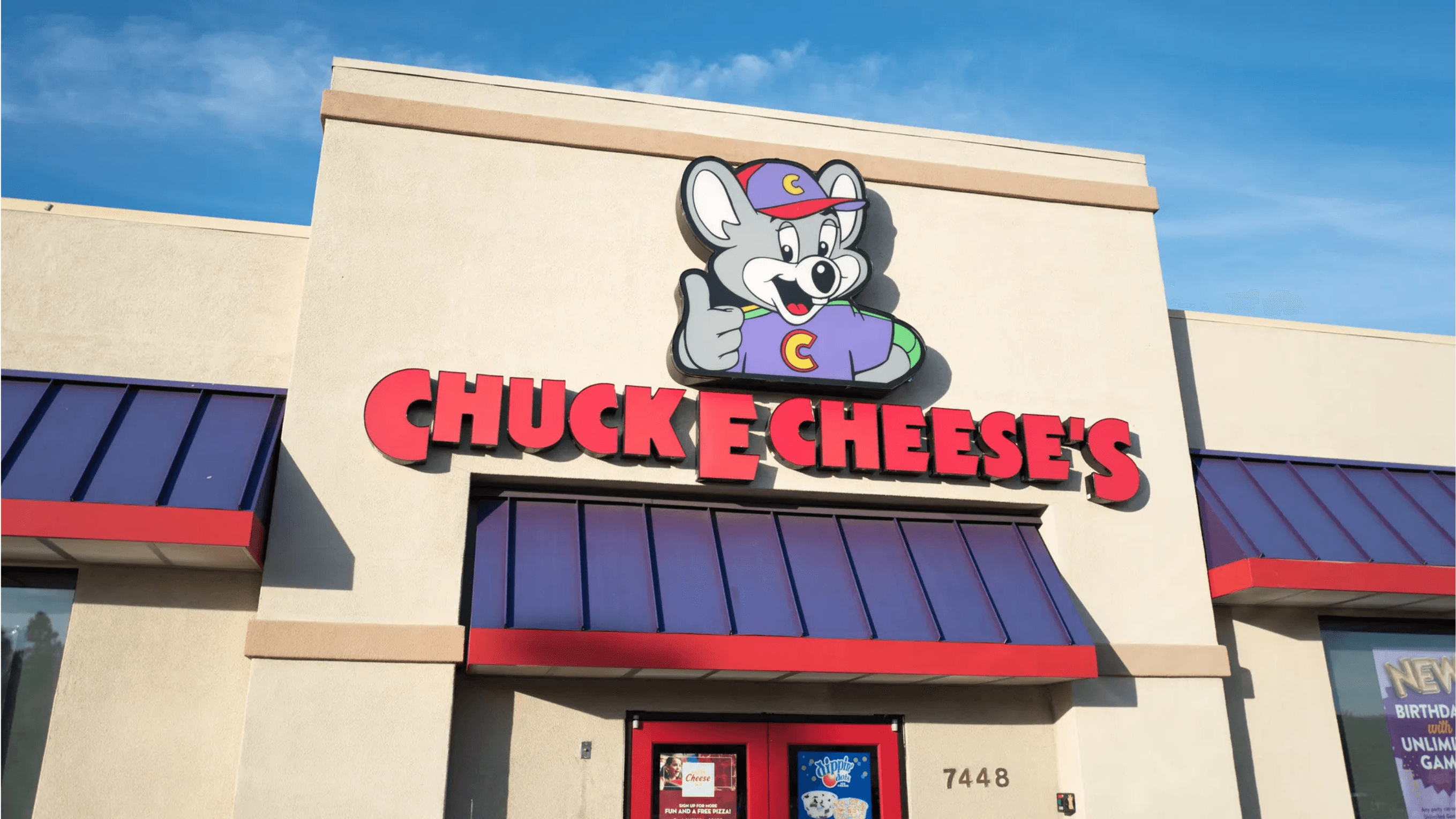
Age Segmentation – Chuck E. Cheese
Few brands capture age segmentation like Chuck E. Cheese. The chain is built specifically for families with children aged 3 to 12. Everything – from menu selection and entertainment to birthday party bundles – aligns with the needs of families seeking child-friendly experiences. Marketing reinforces playful themes, arcade games, prizes, and cost-effective packages tailored to parents. Chuck E. Cheese demonstrates how choosing a narrow age target can shape product design, messaging, store layout, and promotions.
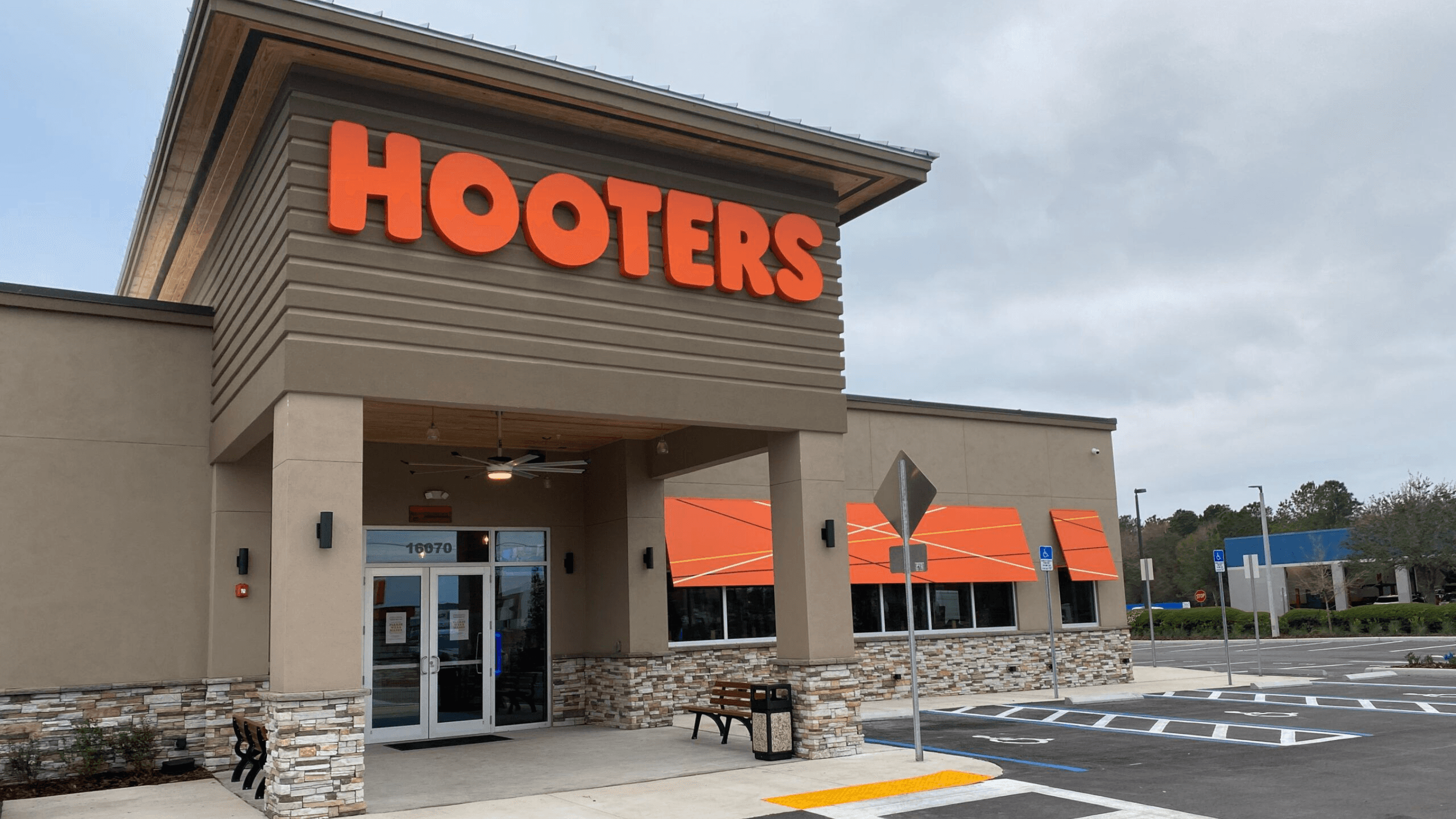
Gender Segmentation – Hooters
Hooters offers a clear example of gender segmentation in the casual dining category. Known for sports-centric environments and a bar-forward experience, the brand is deliberately positioned to appeal to adult men. Promotions tied to football, UFC fights, draft beer bundles, and group dining specials reinforce this focus. While any customer can dine there, its identity and tone speak directly to a male customer base. Gender segmentation doesn’t always mean exclusion it means understanding which audience responds most to the brand’s atmosphere and messaging.

Income Segmentation – Ruth’s Chris Steak House
At the opposite end of the pricing spectrum, Ruth’s Chris Steak House exemplifies income-based segmentation. The brand targets affluent diners by pricing at a premium, sourcing luxury ingredients, and emphasizing exclusivity and fine dining service. Weddings, anniversaries, and corporate dinners are core use cases. High-income segmentation allows Ruth’s Chris to focus on fewer customers with a higher revenue return per visit. Meanwhile, fast-food chains like McDonald’s leverage the same segmentation principle in reverse by appealing to budget-conscious eaters with bundled value meals.

Occupation Segmentation – Pret A Manger
Pret A Manger is designed around the lifestyles of office workers, commuters, and professionals. Its real estate strategy prioritizes business districts, transport hubs, and lunch-driven neighborhoods. Pret’s menu is engineered for speed: ready-made sandwiches, quick-serve soups, and refreshments for on-the-go customers. The brand’s coffee subscription program, heavily used by city professionals, further deepens its appeal to high-frequency daytime guests. Pret proves segmentation can be driven by lifestyle patterns rather than identity alone.

Geographic Segmentation – Chipotle
Geographic segmentation matters when a brand scales across regions, and Chipotle uses it strategically. While the base menu remains consistent, Chipotle frequently tests location-specific products before national rollout. For example, plant-based chorizo debuted primarily in California markets, where vegetarian demand is higher. Seasonal campaigns also shift regionally based on crop availability and taste profiles. Chains operating across diverse locations rely on geographic segmentation to remain culturally relevant and operationally efficient.
Conclusion
In sum, demographic segmentation is crucial for targeted, impactful marketing. By focusing on specific consumer groups, businesses craft more resonant messages and products, leading to better customer engagement and loyalty.
Effective use of this strategy translates to a competitive edge in a data-centric business landscape. It's about connecting with individuals, building a loyal customer base, and fostering lasting brand growth. As the consumer landscape evolves, so must our marketing approaches, leveraging demographic insights for a future where personalized marketing reigns supreme.