– 13 minute read
Drive your e-commerce success with email marketing. Learn strategies for effective campaigns, personalized content, and leveraging automation to boost conversions.

Tim Kuijlenburg
Author

What Exactly Does E-commerce Email Marketing Involve?
Email marketing is a dynamic and versatile online marketing strategy that involves sending emails to prospects and customers. Effective marketing emails convert prospects into customers and turn one-time buyers into loyal, raving fans. It’s a direct line of communication for conversion and relationship-building.
The Anatomy of an Email Campaign
At its core, an email campaign consists of several key components: the subject line, which serves as the first impression; the personalized email content, which provides value and engages the reader; the call to action (CTA), which guides the reader to the next step; and the product page or service information, which acts as the final destination.
The Importance of Segmentation and Personalization
Segmentation involves dividing your email subscribers into smaller segments based on set criteria. Personalized emails go a step further by tailoring content to individual preferences and behaviors, significantly enhancing the relevance and effectiveness of the campaign.
Triggered Emails and Their Impact
Triggered emails, such as abandoned cart emails and transactional emails, are automated responses to specific actions taken by customers. These are invaluable for recovering potential lost sales and keeping engagement high.
The Strategy Behind Email Design
Good email design aligns with your brand and is optimized for mobile devices. Visual appeal can lead to higher engagement and, as a result, better conversion rates.
Measuring Success Through Analytics
To gauge the effectiveness of an email campaign, analyzing key performance indicators (KPIs) is crucial. These may include open rates, click-through rates, and ultimately, conversion rates, providing insights for ongoing optimization.
Why Email Marketing is Easier (and Better) for E-commerce Businesses
Email marketing presents unique advantages for e-commerce stores, particularly in terms of ease and effectiveness. Here’s why it’s an unmatched tool in your digital marketing arsenal:
Cost-Effectiveness and High ROI
E-commerce businesses find email marketing appealing due to its cost-effectiveness. With minimal investment compared to other marketing channels, emails can yield a substantial return on investment (ROI), making it a go-to for savvy online retailers.
Direct and Personal Connection with Customers
Email marketing facilitates a direct and personal connection with customers. Repeat customers, who are the bedrock of e-commerce success, often result from personalized and engaging email content.
Seamless Integration with E-commerce Platforms
Most e-commerce platforms offer seamless integration with email marketing tools, simplifying the process of setting up campaigns and tracking their success. This integration enables online stores to send emails efficiently, from confirmation messages to promotional blasts.
Abandoned Cart Recovery
A pivotal feature of email marketing for e-commerce is the ability to send abandoned cart emails. These reminders can significantly boost conversion rates by bringing customers back to their carts to complete purchases.
Building Customer Loyalty
E-commerce businesses thrive on building a base of loyal customers. Email marketing supports this by enabling ongoing engagement, from sharing valuable content to informing customers about updates or new products, thereby encouraging repeat business.
In the realm of digital marketing, email marketing is a proven powerhouse, especially for e-commerce businesses. By leveraging the directness, personalization, and analytics that email marketing provides, e-commerce businesses can enhance their customer relationships and bolster their bottom line.
Engage with your customers through their inbox, understand their needs, and provide value beyond the purchase. With the right strategies and best practices, your e-commerce email marketing efforts can lead to a thriving online community of customers who are excited about your brand and products.
How to Measure E-commerce Email Marketing Success
Open Rate
Open rate measures how many subscribers actually open your email. This metric shows how strong your subject lines, send timing, and sender reputation are. A low open rate may indicate that subscribers aren’t engaged or that your emails land in spam. Improving clarity, personalization, and timing can lift performance. As a benchmark, most e-commerce brands see open rates around 18–25%, though welcome and transactional emails often perform much higher.
Click-Through Rate (CTR)
Click-through rate tracks the percentage of readers who click a link inside your email. This metric reveals how compelling your content, visuals, and primary call-to-action are. Even with high open rates, poor CTR suggests weak copy, confusing layouts, or unclear value. To improve CTR, simplify your goal (one email = one action), add engaging buttons, and test different content blocks. For e-commerce, strong CTR typically sits between 2–5%, depending on industry and email type.
Conversion Rate
Conversion rate shows how many subscribers take the desired action after clicking usually making a purchase. Because sales are the ultimate goal for most e-commerce emails, this metric matters most for revenue tracking. Conversion rate reflects message relevance, landing page experience, offer strength, and audience targeting. Techniques like urgency, social proof, and personalized recommendations help increase conversions. Measuring by campaign and email type helps identify which flows reliably drive revenue.
Revenue per Email (RPE)
Revenue per email is one of the most important financial metrics in e-commerce email. It calculates how much revenue each message generates on average making it easier to measure ROI and justify investment. RPE accounts for opens, clicks, and purchases simultaneously. It’s especially helpful for comparing abandoned cart flows, product launches, and seasonal campaigns. High RPE means your email carries both strong engagement and meaningful purchasing intent.
Unsubscribe & Spam Complaint Rate
Unsubscribe and complaint rates reveal when your email strategy is fatiguing your list. If subscribers consistently opt out or worse, mark your messages as spam it signals deeper issues such as email frequency, content irrelevance, or misaligned expectations. Monitoring these numbers helps protect deliverability and sender reputation long-term. A healthy unsubscribe rate stays below 0.5%, while spam complaints should be extremely low (under 0.1%). Small increases are early warning signs worth addressing quickly.
Why Email Marketing is Essential for E-commerce Businesses
In the competitive landscape of digital retail, email marketing is not just a tool; it's a pivotal element for success. Here’s how it fundamentally underpins the growth of an e-commerce business:
Driving Revenue Through High Conversion Rates
Email marketing holds the crown for driving revenue due to its exceptional conversion rates. Studies have shown that it outperforms other marketing channels, with some industry reports highlighting how email has an average ROI of $38 for every $1 spent. This is a testament to the potential email marketing has in multiplying e-commerce sales.
Fostering Repeat Purchases
The power of email marketing lies in its ability to encourage repeat purchases. By keeping the lines of communication open, e-commerce businesses can re-engage customers. Data suggests that repeat customers have a 60-70% chance of converting, making email marketing a strategic move to retain customers and boost lifetime value.
Recovering Lost Sales with Cart Abandonment Strategies
Abandoned cart emails are a crucial strategy for e-commerce sites. A substantial amount of potential sales is lost through cart abandonment, but with a well-crafted email strategy, businesses can recover an average of 10% of lost sales. The key is timing and content that nudges customers to complete their purchase.
Boosting Engagement with Personalized Content
Personalized email campaigns are known to deliver six times higher transaction rates. By leveraging customer data, e-commerce businesses can send personalized product recommendations and offers that align with the customer’s history and preferences, significantly increasing the likelihood of a sale.
Gaining Insights Through Customer Feedback
Email marketing also serves as a platform for gathering customer feedback. This insight can be instrumental in refining product offerings and improving the customer experience, ultimately leading to better customer satisfaction and retention.
Strategic Timing and Automation
The right email at the right time can be highly effective. Automated emails triggered by customer behavior, such as welcome emails or re-engagement campaigns, can yield higher open rates and engagement, turning potential leads into sales. Automation also ensures a consistent and timely interaction with customers, which is essential for building long-term relationships.
By employing these strategies, e-commerce businesses can leverage email marketing to not only grow their revenue but also build a loyal customer base. It is the combination of personalized communication, strategic automation, and data-driven insights that makes email marketing an indispensable asset for any online store.
8 Essential Email Templates for E-commerce Businesses
Welcome Series
A welcome series is the most important email flow for new subscribers. Sent immediately after signup, this sequence introduces your brand story, communicates next steps, and sets expectations on email frequency and value. Many welcome flows include a first-purchase incentive, such as a 10% discount, to drive conversions early. By building trust quickly and offering clear direction, welcome emails make a strong first impression and start the customer relationship on the right foot.
Promotional Emails
Promotional emails are the heartbeat of e-commerce revenue. These campaigns spotlight timely offers, discounts, product drops, and seasonal sales from summer specials to huge events like Black Friday. The goal is simple: create excitement and urgency that drives store visits and purchases. Strong visuals, compelling headlines, and a clear CTA make these emails effective. Since customers expect regular promotions, keeping messaging fresh and varied helps avoid fatigue and keeps subscribers engaged.
Abandoned Cart Emails
Abandoned cart emails recover revenue that would otherwise be lost. Triggered when a shopper leaves items behind, they remind customers that their selections are still waiting. These emails often include product images, pricing, and a direct link back to checkout for instant completion. Adding social proof, free shipping reminders, or a limited-time offer can boost conversions further. This flow is incredibly valuable, often delivering one of the highest ROI rates in email marketing.
Post-Purchase Emails
Post-purchase emails deepen relationships after checkout by guiding customers through what comes next. This flow includes order confirmation, shipping details, delivery updates, and sometimes product usage tips. It reassures customers their purchase was successful and builds anticipation for delivery. Brands may also follow up with educational content, cross-sell suggestions, or polite review requests later in the journey. A thoughtful post-purchase sequence transforms one-time buyers into engaged returning customers.
Browse Abandonment Emails
Browse abandonment emails target shoppers who viewed products but left your store without adding anything to the cart. These customers showed interest they just didn’t convert yet. A gentle reminder showcasing recently viewed items can help bring them back at the right moment. Adding customer reviews, scarcity messages, or “still thinking about it?” language can build confidence. This flow helps capture sales earlier in the decision process and supports longer buying journeys.
Review Request / UGC Emails
After a customer receives their order, review request emails prompt them to share their experience. These can include product ratings, written testimonials, or even photos and videos. User-generated content is a powerful form of social proof that helps future shoppers choose confidently. These emails should be timed carefully so customers have tested the product. Offering loyalty points or discounts for reviews can also increase participation and strengthen customer engagement.
Product Recommendation Emails
Product recommendation emails use customer behavior—purchase history, browsing activity, or trending products to deliver personalized suggestions. Whether highlighting complementary items or new arrivals, these emails make it easier for shoppers to discover products they’ll love. Tailored recommendations boost repeat purchases, average order value, and customer lifetime value. They’re especially effective when combined with dynamic content and segmentation to ensure each subscriber sees offers that match their interests.
Re-engagement (Win-back) Emails
Re-engagement emails are designed to bring inactive subscribers back into the fold. Sent after a period of silence, these messages reconnect customers with your brand through fresh updates, reminders, or incentives. Sometimes a simple product spotlight or “we miss you” message is enough to spark interest. In other cases, a limited-time discount works best. Win-back campaigns help clean your list, revive lost revenue opportunities, and ensure customers stay aware of your brand.
Email Marketing Strategies & Best Practices to Boost Your E-commerce Business
Leveraging email marketing can significantly enhance the performance and growth of your e-commerce business. Let's dive into the first five strategies and best practices that can help you achieve this.
Do a Competitive Analysis
Understanding your market landscape is crucial. Start by subscribing to your competitors' newsletters and analyze their email marketing strategies. Look at the frequency of their emails, the promotions they run, and how they design their content. Tools can provide valuable insights into your competitors' email marketing tactics, helping you identify opportunities to differentiate your brand and pinpoint areas where you can outperform them.
Identify Your Sending Intervals
Finding the perfect balance in your email sending frequency is vital – too much, and you risk unsubscribes; too little, and customers might forget about your brand. According to benchmarks, the average open rate for e-commerce businesses is highest when sending one to two emails a week. Use this as a starting point and adjust based on your audience's engagement.
Highlight & Plan for Important Dates or Periods
Strategic planning around key dates – holidays, sales seasons, and special events – can make all the difference. Use an email marketing calendar to schedule campaigns well in advance for periods like Black Friday, Cyber Monday, or Valentine's Day. This ensures you're ready to capture sales when your customers are most likely to be in a buying mood.
Develop Your Email Branding Guidelines
Consistent branding across your email campaigns builds trust and recognition. Develop guidelines that outline your brand's tone of voice, color scheme, logo usage, and typography. This consistency in branding leads to a cohesive customer experience, as seen in successful campaigns by e-commerce giants like Amazon, where branding is unmistakable.
Make Email Subscription as Easy as Possible
Your email list is your most valuable asset. Ensure that subscribing to your list is straightforward and accessible from various points on your website. Incorporate signup forms not just on your homepage but also on your blog, product pages, and even your checkout process. Invest in tools to create effective pop-ups and forms that entice customers to sign up without disrupting their shopping experience.
Build a Quality Email List
A robust email list is the backbone of successful e-commerce email marketing. Start by creating lead magnets, such as discounts or exclusive content, in exchange for email sign-ups. Use double opt-in methods to ensure subscribers genuinely want to receive your emails, improving deliverability and engagement rates. Employ tools to create targeted campaigns aimed at different visitor segments on your site, from first-time visitors to those showing high engagement with your content.
Segment Your List Where It Makes Sense
Segmentation allows you to send more targeted and relevant emails, which can lead to increased engagement and sales. Start by segmenting your list based on customer behavior—purchase history, browsing behavior, and email engagement patterns. The majority of email marketing or customer engagement tools offer options to segment your lists easily. Tailor your emails so that a VIP customer receives different content than a one-time purchaser, ensuring each email resonates with the recipient's experience with your brand.
Understand Your Audience
Take the time to analyze your audience's demographics, preferences, and shopping behaviors. This data can be collected through surveys, customer feedback, and analytics tools like Google Analytics. By understanding who your customers are and what they want, you can create content that speaks directly to them. Use this insight to customize your email messaging, from the subject line to the product recommendations, to reflect your audience's interests and needs.
Personalize Your Emails
Personalization is more than just inserting a customer's name in an email. It involves tailoring the content to meet individual customer interests. Implement dynamic content in your emails that changes based on the subscriber's profile.
Use past purchase data to recommend products, celebrate milestones like birthdays with special offers, and even customize subject lines to increase open rates. E-commerce platforms like BigCommerce provide integrations with email marketing services that enable advanced personalization techniques.
Optimize Your Emails for Mobile
With more than half of all emails being opened on mobile devices, it's crucial to ensure your emails look great and function well on smartphones and tablets. Use responsive design templates that automatically adjust to the screen size and test your emails on multiple devices before sending. Keep your email design clean and straightforward, with clear calls to action (CTAs).
Start with a Powerful Kick-Off Email
The welcome email is your first chance to make an impression, so make it count. This kick-off should set the tone for what subscribers can expect from your brand. Offer a warm welcome, introduce your brand story, and include a special offer to incentivize a first purchase.
According to studies, welcome emails have an open rate of 50%, making them a prime opportunity to engage. Ensure your welcome email reflects your brand's personality and value proposition.
Avoid Sending Too Many Emails
Bombarding subscribers with daily emails can lead to list fatigue and high unsubscribe rates. Use analytics to monitor how frequency impacts engagement, and look for the sweet spot where open and click-through rates are optimized. Industry standards suggest that sending 2-3 emails per week can be effective for most e-commerce businesses, but this varies by industry and audience. Regularly review your email performance data to adjust your strategy accordingly.
Make Sure Your Images are Irresistible
High-quality, engaging images can make your emails stand out in a crowded inbox. Images should complement the text and add to the story you’re trying to tell, not distract from it. Use tools like Canva for designing eye-catching graphics that are optimized for email. Remember, images should be web-optimized to ensure they load quickly, as slow loading can lead to decreased engagement and increased abandonment.
Provide Value in Your Emails
Every email should offer something valuable to your subscribers, whether it’s insightful content, an exclusive deal, or useful information about your products. Educational content, like how-to guides related to your products or industry news that affects your customers, can position your brand as a thought leader. For instance, BuzzFeed's Tasty does this well by sharing delicious recipes that encourage subscribers to purchase their cooking supplies.
Keep Customers Posted on Updates or Menu Changes
Regular updates keep your audience informed about what’s new and encourage repeat visits to your site. This is particularly important if your e-commerce business involves items with frequent updates or new releases, like fashion or technology. A/B testing different formats with tools can help you refine how you communicate updates and ensure the information is both engaging and effective.
Email with a Purpose - Include CTAs
Every email should guide the reader to take an action. Whether it’s to “Shop Now”, “Learn More”, or “Get the Deal”, clear and compelling calls to action (CTAs) are a must. Ensure that your CTAs stand out visually and are linked to the appropriate landing page, like a product page or a promotional offer. Research suggests that emails with a single call-to-action can increase clicks by 371% and sales by 1617%.
Use Automation Where Possible
Email automation can save time and deliver personalized experiences to your customers. Set up triggered emails for actions like abandoned carts or recent purchases. For example, Shopify provides solutions for automated abandoned cart emails that can help you recover lost sales. By automating these processes, you ensure timely and relevant communication with your customers, enhancing their experience and your bottom line.
Promote Your Newsletter/Email via Other Channels
Don’t limit the promotion of your email list to your website alone. Utilize your social media platforms, in-store signage, and even packaging inserts to encourage sign-ups. Cross-promotion across different channels can increase your reach and diversify your subscriber base. Including testimonials about the value of your newsletters can also add social proof and entice more users to subscribe.
Do Regular Maintenance on Your Email List
Keeping your email list clean is vital for maintaining high deliverability rates. Regularly remove inactive subscribers and correct any bounced email addresses. Use services like NeverBounce to ensure your email lists are clean and your messages are reaching active and engaged users. This not only improves your engagement rates but also protects your sender reputation.
Outline What Your KPIs Are
Establish Key Performance Indicators (KPIs) to measure the success of your email marketing efforts. Open rate, click-through rate, conversion rate, and list growth rate are critical metrics to monitor. Tools like Google Analytics can help track these metrics and provide insights into how your email campaigns contribute to your business goals. Regular analysis of these KPIs will help you make data-driven decisions for future campaigns.
Test & Optimize on an Ongoing Basis
Continuous testing is essential for improving your email marketing performance. Test different aspects of your emails, including subject lines, email copy, design, and sending times. Use A/B testing methods to identify what resonates best with your audience. Choose a robust email marketing software or a stack and you'll have access to easy-to-use features for A/B testing that can enhance the effectiveness of your email campaigns.
5 Examples of Stellar E-commerce Email Marketing
In the vast sea of e-commerce email marketing, several brands stand out for their innovative and effective approaches. Let’s take a look at a few noteworthy examples that are not household names but are making waves with their unique email marketing strategies.itsUnited By Blue
United By Blue, an outdoor brand with a focus on sustainability, excels at creating a narrative in their email marketing. Their emails often tell the story of their products and their environmental impact, educating customers and making them feel part of a larger mission. Their use of visually rich emails and storytelling aligns perfectly with their brand ethos of responsibility and adventure.

Death Wish Coffee
Death Wish Coffee, known for producing the 'world's strongest coffee,’ has a cult following thanks in part to its bold email marketing. Their emails come with attention-grabbing subject lines and creative content that showcases their unique brand voice. They celebrate customer stories, include user-generated content, and are not afraid to be edgy, which makes them memorable in their subscribers’ inboxes.
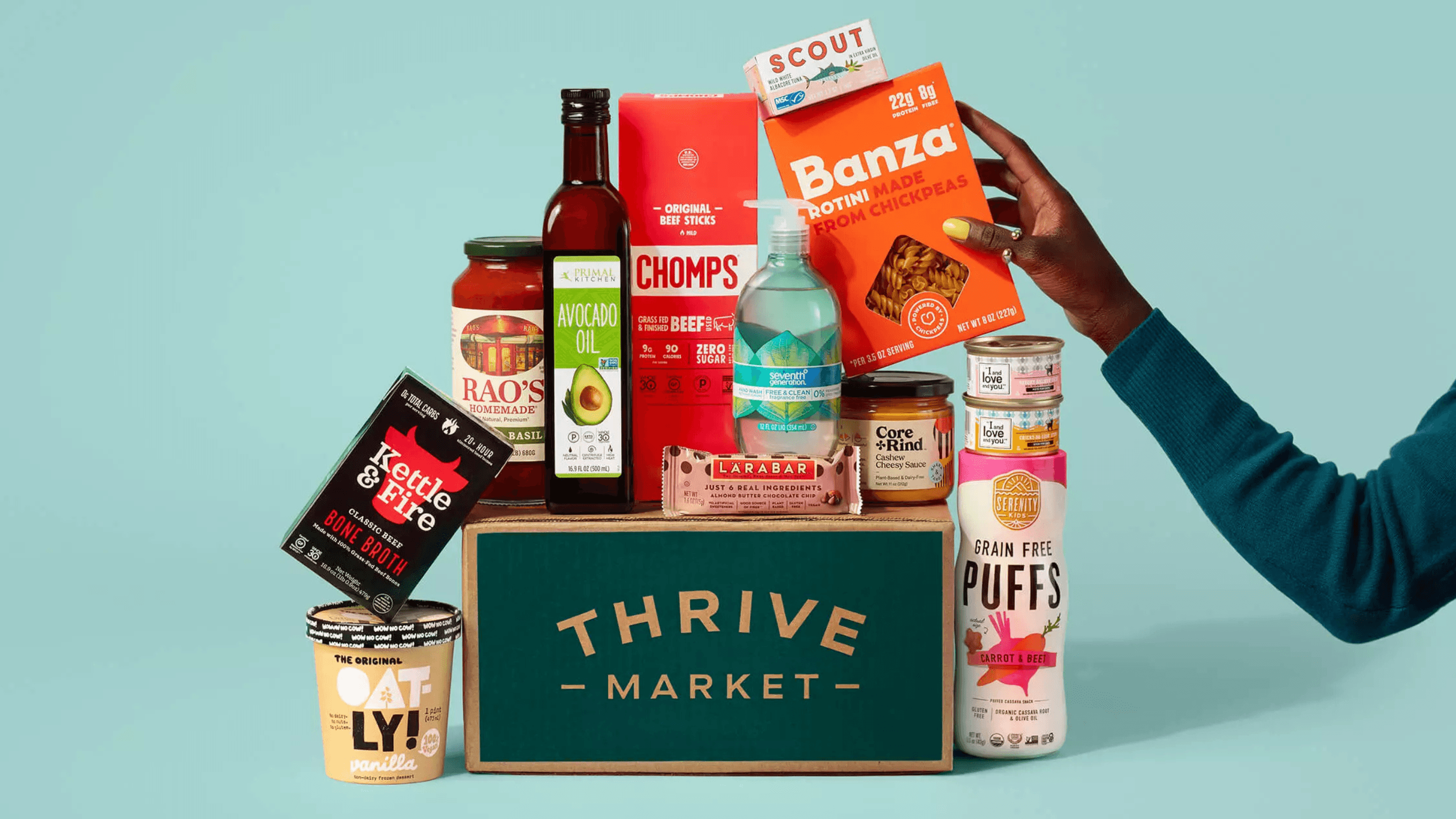
Thrive Market
Thrive Market, an online grocery retailer, is a pro at using personalized email marketing. They send emails that suggest products based on past purchases and browsing behavior. Their targeted emails come with personalized recommendations that make shopping easier and more tempting, often leading to increased sales through direct links to the product pages.

Beardbrand
Beardbrand, a men's grooming company, leverages email to provide immense value to their subscribers beyond just selling products. They offer grooming tips, style guidance, and community stories. Their emails are well-segmented, ensuring that the content is relevant to the different types of customers they serve, which enhances the personalization aspect.

Pura Vida Bracelets
Pura Vida Bracelets uses its vibrant brand personality to its advantage in its email campaigns. They frequently send out bright, colorful emails with high-quality images and various social proof elements such as customer reviews and Instagram posts. Additionally, their referral program is often highlighted, encouraging customers to become brand ambassadors.
These e-commerce brands may not be the giants of the industry, but they certainly know how to make an impact through their email marketing campaigns. They prove that understanding your audience, being true to your brand voice, and offering real value can make your emails a powerful tool in driving e-commerce success. Whether it’s through compelling storytelling, personalized product suggestions, or leveraging user-generated content, these brands set an example for how to execute email marketing with creativity and strategic intent.
Conclusion
Email marketing stands as a cornerstone of e-commerce success, a testament to its enduring power in a digital world where the new vies with the familiar. The examples provided show that even lesser-known brands can make a significant impact with a well-crafted email strategy, proving that you don't need to be an industry giant to excel. It's the unique voice, the tailored content, and the strategic engagement that count.
In conclusion, as an e-commerce business, harnessing the full potential of email marketing means embracing innovation, understanding the nuanced needs of your audience, and continually refining your approach. By implementing the best practices outlined in this guide and drawing inspiration from brands that are doing it right, you can create email marketing campaigns that not only resonate with customers but also drive your e-commerce business towards a future of growth and sustained engagement.