October 17, 2025
– 12 minute read
Drive lasting customer loyalty with value-based loyalty. Discover how purpose-driven programs reward meaningful actions and build emotional connections

Cormac O’Sullivan
Author

In a world where customers are bombarded by loyalty cards, points, and discount emails, “value-based loyalty” offers a different path. Instead of rewarding only purchases, a value-based loyalty program aligns with customers’ deeper values, social, environmental, and ethical, and invites them to stay engaged over the long term through shared purpose.
What Is Value-Based Loyalty?
Value-based loyalty focuses on aligning a brand’s rewards program with customers’ beliefs and principles rather than just their purchases. Instead of simply offering discounts, a value-based loyalty program nurtures emotional connections, supports shared causes, and encourages customers to engage long-term through meaningful actions that reflect mutual purpose and trust.
5 Key Characteristics of a Value-Based Loyalty Program
A successful value-based loyalty program doesn’t rely solely on points or discounts; it’s built on trust, shared purpose, and emotional resonance. Below are five defining characteristics that distinguish such programs and make them effective in creating loyal customers who engage deeply and stay for the long term.
Building Emotional Bonds That Go Beyond Transactions
Value-based loyalty programs are designed to create an emotional connection with customers, not just repeat purchases. They communicate values that align with the customer’s identity, sustainability, inclusion, community, or innovation. When customers feel emotionally understood, they naturally become brand advocates and continue supporting the brand even when cheaper alternatives exist. Brands achieve this by telling authentic stories, celebrating customer milestones, and showing the impact of their loyalty.
This emotional link turns customers into co-owners of the brand’s journey. For example, Patagonia strengthens emotional bonds by sharing real stories about environmental activism and inviting customers to participate in their repair and reuse initiatives. This approach is not just about brand storytelling; it's backed by data. Customers with an emotional connection to a brand have a 306% higher lifetime value, highlighting the profound impact of emotional engagement on long-term loyalty.
Rewarding Engagement, Not Just Spending
Traditional loyalty programs often focus on how much a customer spends. Value-based loyalty goes further, rewarding customers for how they engage, whether by volunteering, sharing feedback, supporting causes, or referring others. This inclusivity broadens participation across customer segments, making loyal customers feel recognized for more than just their wallets. It also encourages continuous interaction and keeps customers engaged between purchases.
However, brands must simplify participation to prevent confusion and maintain momentum. For example, The Body Shop’s Love Your Body Club rewards members for recycling packaging and promoting ethical beauty rather than only for purchases. This shift towards rewarding meaningful actions is gaining momentum. In fact, 87.5% of loyalty program owners plan to engage with customers in non-transactional ways in the next three years, reflecting a broader industry trend towards value-driven loyalty.
Personalization That Reflects Individual Values
Personalization in a value-based loyalty program goes beyond recommending products; it’s about tailoring experiences and rewards that mirror what customers truly care about. By segmenting customers according to their values, brands can craft messages and offers that feel personally meaningful.
This could include choosing which charities to support, customizing communications, or granting access to experiences aligned with their interests. The goal is to make customers feel seen and valued as individuals, not as part of a mass audience. For instance, Starbucks Rewards integrates personalization by letting customers choose between different sustainability-related initiatives, such as using reusable cups to earn bonus points.
Creating a Shared Mission Between Brand and Customer
Shared purpose lies at the heart of value-based loyalty. Brands and customers unite around a common goal, whether it’s improving communities, supporting artisans, or reducing waste. This alignment transforms the program from a transactional tool into a movement customers are proud to join. The key is transparency: customers should clearly see how their actions contribute to the brand’s mission.
Brands that can demonstrate real outcomes inspire ongoing loyalty and trust. For example, TOMS built its One for One program around a shared mission, donating a pair of shoes for every pair sold, making customers active contributors to a social cause.
Offering Experiences That Reinforce Brand Values
Experiences often leave a stronger impression than discounts. Value-based loyalty programs create memorable, values-driven experiences that reflect the brand’s purpose, such as sustainability workshops, behind-the-scenes events, or exclusive content. These experiences strengthen emotional ties and distinguish the brand from competitors offering only transactional perks.
They also remind customers that their loyalty contributes to something greater than personal benefit. For instance, Lululemon’s community events and yoga classes reinforce its wellness-focused brand values while rewarding engagement through meaningful, lifestyle-oriented experiences.
How to Design a Value-Based Loyalty Program
Creating a value-based loyalty program requires strategic clarity, authenticity, and a deep understanding of both brand and customer. It’s not about offering more rewards, but offering the right ones, those that reflect shared beliefs and build emotional connection. Here’s how to design a loyalty program that connects purpose with performance.
Start with Your Brand’s True Values
The foundation of any value-based loyalty program lies in identifying your brand’s genuine core values. These should be embedded in your mission and culture, not invented for marketing purposes. Ask yourself, What principles guide your business decisions? What social, environmental, or ethical issues does your brand care about most? When values are clear, loyalty design becomes authentic and focused.
For instance, a fashion brand committed to sustainability could reward customers for repairing or recycling old garments, reinforcing its eco-conscious ethos.
Discover What Your Customers Care About Most
Understanding your customers’ motivations is essential. Conduct surveys, analyze engagement data, and listen on social media to uncover what values matter most to different customer segments. The more you know about what drives their emotional connection, the more relevant your program can be. When customers see their personal beliefs reflected in your rewards, they become long-term advocates rather than one-time buyers.
A coffee chain could learn that its audience values ethical sourcing and introduce rewards for choosing fair-trade or reusable cup options.
Build Your Program Around Meaningful Actions
Traditional loyalty programs focus on purchases; value-based loyalty programs expand the definition of loyalty by rewarding meaningful behavior. That might include volunteering, donating to causes, participating in brand missions, or even sharing knowledge in communities. The key is to ensure that these actions align with both brand and customer values and are easy to complete and track.
A fitness brand could reward customers for logging wellness activities or attending charity runs that promote community health.
Blend Practical Rewards with Memorable Experiences
Customers still appreciate tangible rewards, but value-based programs should go further, offering experiences that embody your brand’s purpose. Combining functional rewards (discounts, early access, or exclusive products) with emotional ones (community events, mentorship opportunities, immersive brand experiences) creates a richer sense of belonging. This mix keeps both the head and the heart engaged.
An outdoor gear company could combine discounts on equipment with invitations to conservation trips or clean-up events.
Share Your Purpose Loud and Clear
Even the most well-designed program can fail if its purpose isn’t communicated clearly. Be transparent about what your brand stands for, how customer participation makes a difference, and what tangible results have been achieved. Use storytelling, visuals, and progress reports to build trust and inspire continued engagement. Customers want to see proof that their loyalty contributes to real impact.
A beauty brand could publish quarterly updates showing how customer points funded women’s education initiatives, reinforcing purpose through transparency.
How Brands Create Loyalty Through Shared Values
Align with Your Brand Values
Loyalty begins with internal alignment. Brands that stay true to their values create consistent, trustworthy experiences that customers can emotionally invest in. Every aspect of your program, from communication to rewards, should mirror what your brand stands for. Authenticity fosters credibility, while inconsistency breeds doubt.
When customers recognize that your actions reflect your declared beliefs, they’re more likely to stay loyal and advocate for your brand. For example, Patagonia’s loyalty stems from unwavering environmental integrity in every initiative, from product repair services to donations, which reinforces its mission of protecting the planet and resonates deeply with its audience.
Reward True Customer Advocacy
True advocacy goes beyond transactions; it’s when customers voluntarily promote your brand because they believe in its values. Rewarding this behavior strengthens emotional and social bonds while amplifying brand reach. Encourage referrals, testimonials, and content sharing by offering recognition or exclusive perks.
The key is to make advocates feel genuinely appreciated, not exploited for marketing. Acknowledging loyal voices transforms them into brand ambassadors who influence others through authenticity. Example: Glossier rewards its most vocal community members with early product access and exclusive experiences, turning genuine advocates into a core part of its long-term growth strategy.
Go Beyond Discounts and Points
While discounts and points attract attention, they rarely build lasting loyalty. Value-based programs should focus on offering meaning, belonging, and emotional satisfaction instead of just monetary rewards. By integrating purpose-driven initiatives like donations, education, or access to experiences, brands can deepen their connection with loyal customers.
The goal is to make every reward feel impactful and aligned with shared values, not transactional. This approach also helps brands stand out in saturated markets where discounts are easily replicated. For example, TOMS goes beyond traditional rewards by linking every purchase to social impact, allowing customers to contribute to causes they genuinely care about.
Build Emotional Connections
Emotional connections are the cornerstone of value-based loyalty. When customers feel personally understood and aligned with a brand’s purpose, their commitment deepens beyond rational incentives. This requires storytelling, authentic communication, and recognition of customer contributions that reinforce shared values.
Brands that evoke pride, joy, or a sense of belonging can turn everyday interactions into meaningful experiences that foster long-term loyalty. For example, The Body Shop builds emotional ties by highlighting community trade initiatives and customer activism, making shoppers feel they are part of a global mission rather than just buying products.
Support Charitable Causes
Integrating charitable initiatives into a loyalty program allows customers to feel their engagement creates real-world impact. Supporting causes that align with brand and customer values strengthens trust and emotional connection, encouraging repeat participation and advocacy. It also differentiates the program from transactional-only models.
Transparency is critical: customers need to see the outcomes of their contributions to remain motivated and confident in the brand’s authenticity. For example, Starbucks’ loyalty members can direct points to support local community projects, making each purchase contribute to causes that matter to them and reinforcing a sense of purpose in everyday transactions.
Encourage Meaningful Actions
Value-based loyalty programs reward more than purchases they incentivize behaviors that reflect both brand and customer values. This can include volunteering, sustainability efforts, referrals, or advocacy, all of which deepen engagement and cultivate a sense of purpose.
Encouraging meaningful actions transforms the program from a transactional system into a platform for shared impact, making customers feel valued for their contributions beyond spending. For example, A fitness brand could reward members for participating in charity runs or logging wellness activities, turning everyday actions into opportunities for recognition and reinforcing alignment with health and community values.
Promote Sustainability and Ethics
Sustainability and ethical practices are increasingly central to modern loyalty programs. Customers are more likely to remain loyal to brands that demonstrate responsibility in sourcing, production, and operations. Integrating these principles into rewards or experiences reinforces trust and strengthens emotional bonds.
Programs that highlight eco-friendly choices or ethical contributions can motivate customers to engage beyond simple purchases, fostering long-term loyalty. For example, Patagonia encourages customers to repair and recycle products, rewarding sustainable behavior while emphasizing the brand’s commitment to environmental stewardship.
Offer Personalized, Experiential Rewards
Personalized and experiential rewards make loyalty programs feel relevant and memorable. By tailoring rewards to individual values, interests, or behaviors, brands create deeper emotional connections and reinforce the perception that the program is designed for them, not the masses.
Experiential rewards such as exclusive events, behind-the-scenes access, or community activities offer meaningful engagement beyond transactions, encouraging continued participation and advocacy. For example, Lululemon hosts yoga sessions and wellness workshops for its loyalty members, combining personalized experiences with lifestyle alignment to foster stronger bonds and long-term loyalty.
Measuring the Success of Your Value-Based Program
Measuring a value-based loyalty program goes beyond simple sales or points redeemed; it’s about understanding how customers connect with your brand on multiple levels. Effective measurement ensures your program is driving meaningful engagement, retaining loyal customers, and cultivating brand advocates.
Engagement Metrics: Tracking How Customers Connect
Engagement metrics show how actively customers participate in your program and interact with its values-driven initiatives. Track actions such as volunteering, content sharing, referrals, or participation in community challenges.
Monitoring these behaviors helps identify which elements resonate most and encourages customers to stay connected over the long term. For instance, a sustainable brand could track how many members log eco-friendly actions like recycling or attending workshops, highlighting engagement beyond purchases.
Retention Metrics: Seeing Who Stays and Why
Retention metrics reveal which customers continue to engage with your brand and the loyalty program over time. Key measures include repeat participation, subscription renewal rates, and churn rates across different customer segments.
By segmenting retention data, brands can understand which value-driven initiatives are most effective and adjust their program accordingly. For instance, A paid loyalty program like Amazon Prime can monitor retention by analyzing how long members stay subscribed after being offered additional socially-conscious perks.
Advocacy Metrics: Spotting Your Brand Champions
Advocacy metrics focus on customers who actively promote your brand’s values. This includes referrals, social media mentions, reviews, and participation in ambassador programs. These customers amplify your brand message and validate your values-based approach.
A beauty brand could track how many loyalty members share cause-driven campaigns or recruit friends, identifying those who embody and spread the brand’s mission.
Challenges and Considerations in Implementing a Value-Based Program
While value-based loyalty programs offer deep customer engagement and long-term retention, implementing them comes with challenges that must be carefully managed to maintain credibility and effectiveness.
Avoiding "Value-Washing" – Staying Genuine
One of the biggest risks is “value-washing,” where brands claim alignment with social or ethical causes without genuine commitment. Customers quickly detect inauthenticity, which can damage trust and erode loyalty.
To avoid this, ensure that every program element, rewards, initiatives, and communications reflect real brand actions and measurable impact. For instance, A fashion brand claiming sustainability must actually source ethically and provide transparent reporting to maintain credibility. H&M’s “Conscious” collection faced backlash when investigations revealed misleading sustainability claims, exposing the brand to accusations of greenwashing. This damaged customer trust and highlighted the need for genuine, transparent action behind ethical messaging.
Taming Program Complexity – Keeping It Seamless
Value-based programs often reward diverse behaviors and integrate multiple tiers, causes, or experiential rewards. While these elements enrich engagement, they can also overwhelm customers if the system is confusing.
Simplicity and clarity in program rules, navigation, and reward redemption are essential to keep customers participating and motivated. For instance, A wellness brand could streamline engagement tracking through a single app dashboard rather than separate platforms for each action.
Communicating Your Value – Making Purpose Clear
Even the most authentic and well-structured program can fail if customers don’t understand its purpose or impact. Transparent communication about how their engagement contributes to shared goals reinforces trust and drives continued participation.
Regular updates, progress reports, and storytelling can make customers feel that their actions truly matter. For instance, A coffee chain might show members quarterly reports detailing how points are funded for community projects or sustainability initiatives, keeping customers connected to the mission.
5 Examples of Value-Based Loyalty Programs
TOMS
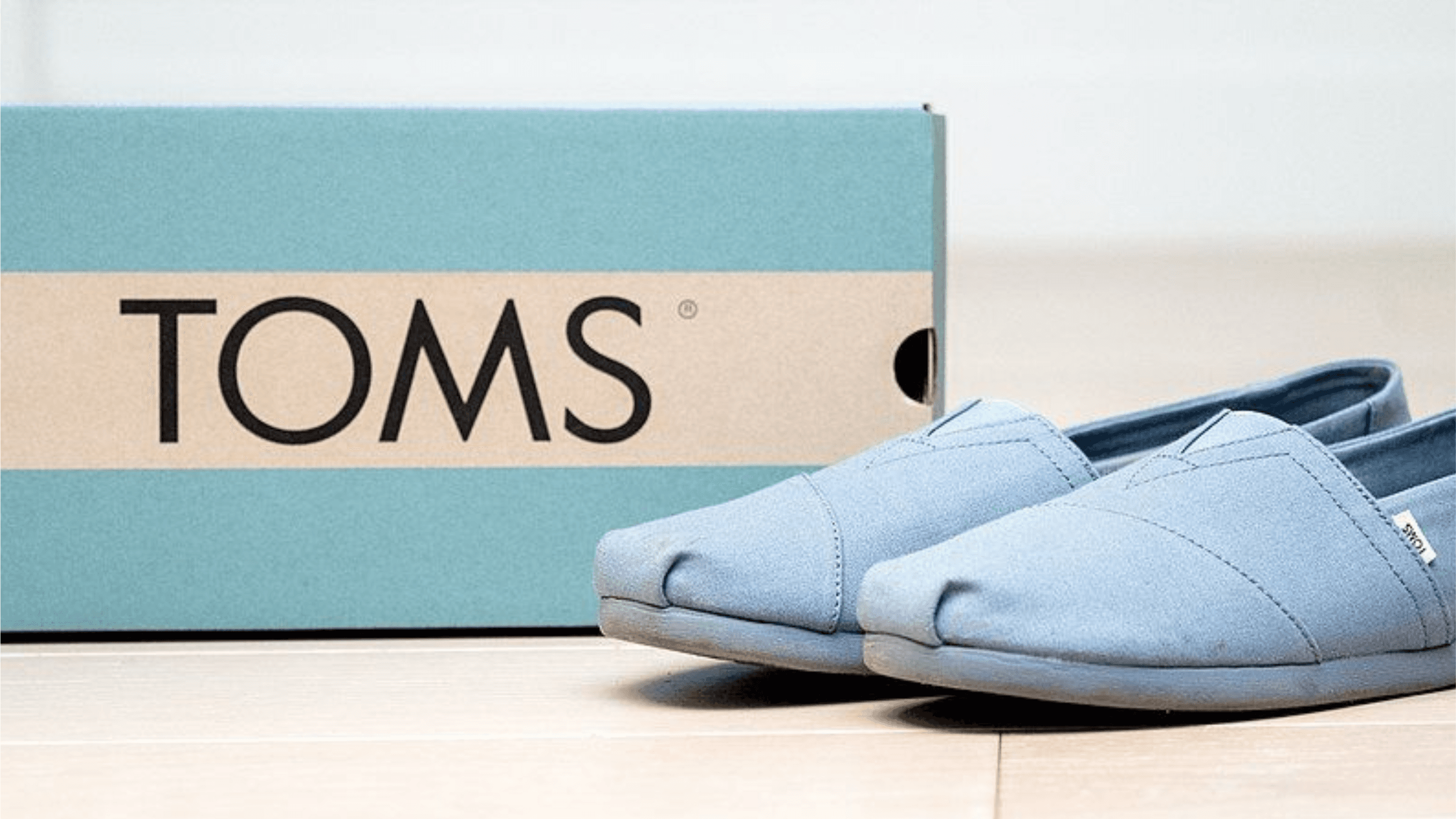
TOMS’ One for One initiative is a classic example of value-based loyalty. For every product purchased, the brand donates a pair of shoes to someone in need. This approach creates an emotional connection with customers who share TOMS’ commitment to social impact.
Shoppers feel their purchases contribute to a tangible cause, reinforcing long-term loyalty and advocacy.
The Body Shop
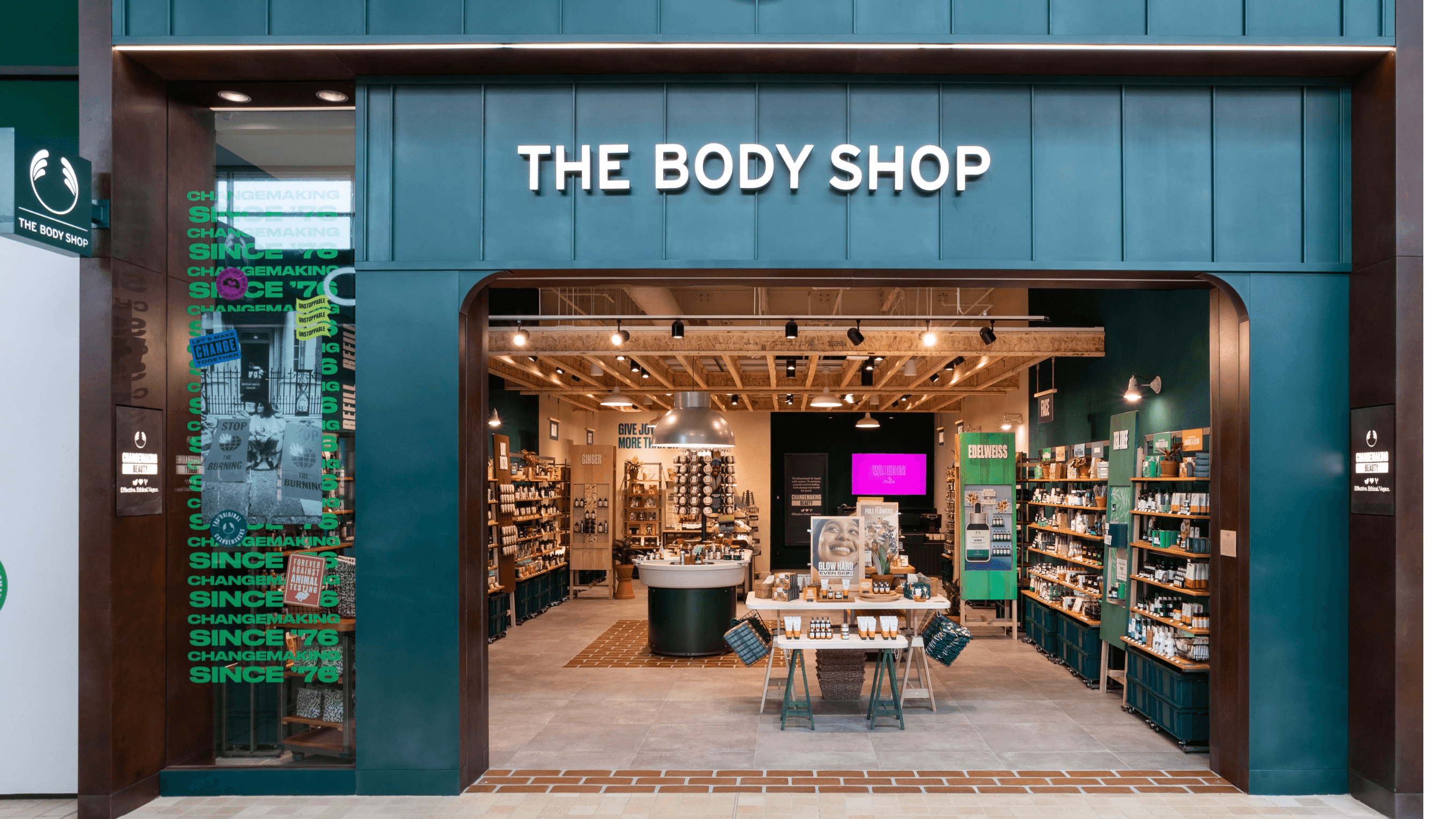
The Body Shop’s loyalty program emphasizes ethical sourcing, cruelty-free products, and community trade initiatives. Members are rewarded for engaging in sustainability actions, not just purchases.
Customers earn points for recycling packaging or participating in activism campaigns, which strengthens their emotional bond and sense of shared mission.
Patagonia
Patagonia’s program goes beyond traditional rewards by promoting environmental stewardship. They encourage customers to repair, reuse, and recycle products while highlighting activism opportunities.
Loyalty is reinforced through repair events and initiatives supporting conservation, making customers feel they are part of a larger environmental movement.
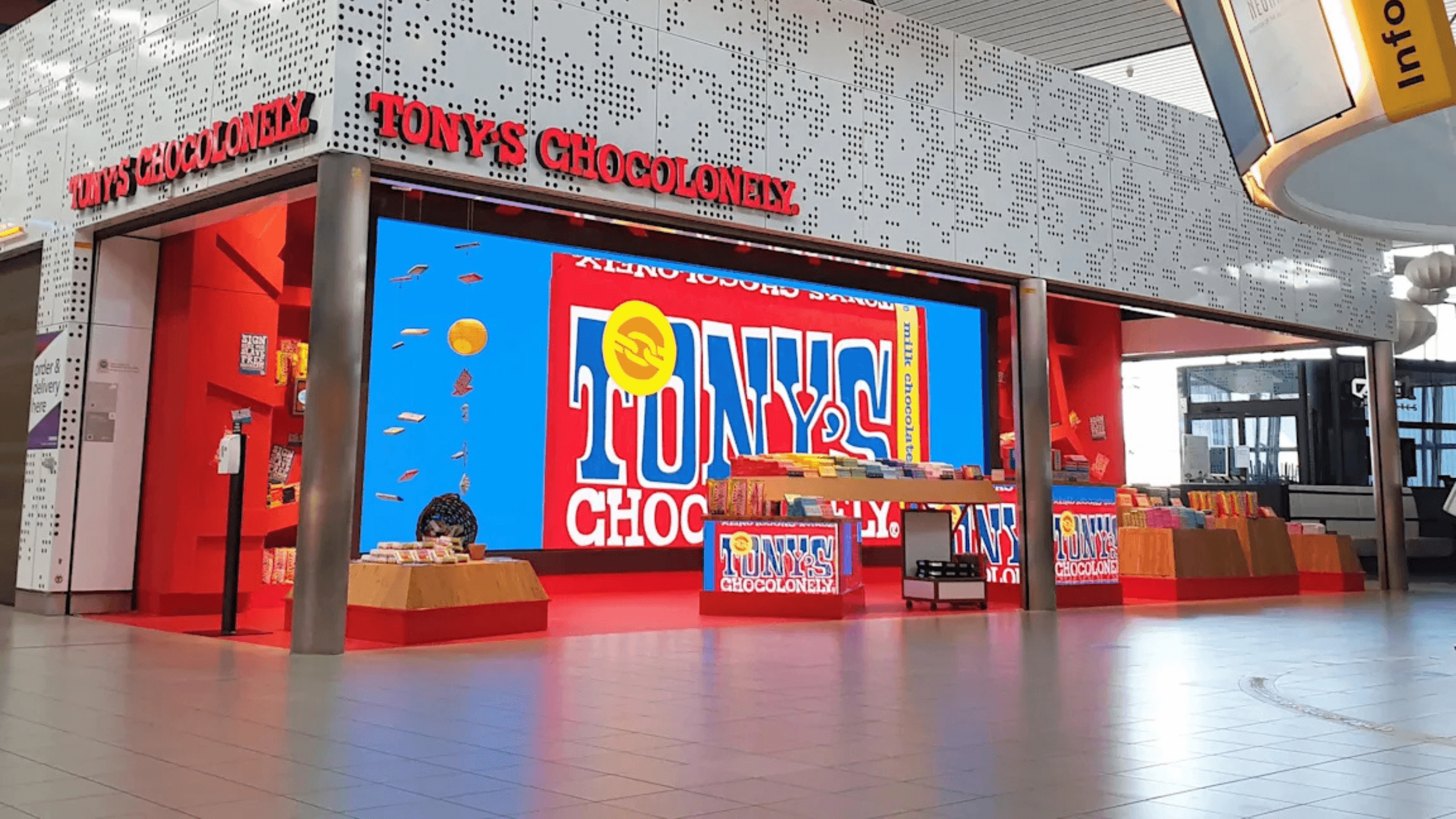
Tony’s Chocolonely
Tony’s Chocolonely integrates social responsibility into its brand and loyalty efforts, focusing on fair trade and ethical chocolate production. Customers support the mission simply by buying the product.
By transparently showing the impact of chocolate sales on supply chain fairness, customers develop a strong emotional connection and continued engagement with the brand.

Warby Parker
Warby Parker extends its value-based loyalty through the Buy a Pair, Give a Pair initiative. For every pair of glasses sold, the company funds the distribution of eyewear to people in need through nonprofit partners.
This model allows customers to feel their purchase directly contributes to improving access to vision care. By aligning everyday buying decisions with social good, Warby Parker builds trust, emotional attachment, and long-term loyalty among purpose-driven consumers.
Conclusion
Value-based loyalty transforms traditional programs by aligning brand purpose with customer values. By fostering emotional connections, rewarding meaningful actions, and supporting shared causes, brands can cultivate long-term loyalty. When executed authentically and communicated clearly, these programs create engaged, loyal customers who advocate for the brand beyond transactions.