AI Assistant (Leat MCP)
July 20
→
Product rewards
Discounts are often the default reward because they're easy to set up. They're also the most expensive thing a program can give away, since a percentage comes off the whole basket at full margin. And they're forgettable. Nobody tells a friend about five percent. A free product costs the business its cost price, feels like a gift, and is worth talking about.
Leat makes products, upgrades, and add-ons first-class rewards: priced at what they cost you, valued at what they're worth to the customer, and redeemable wherever the customer is.
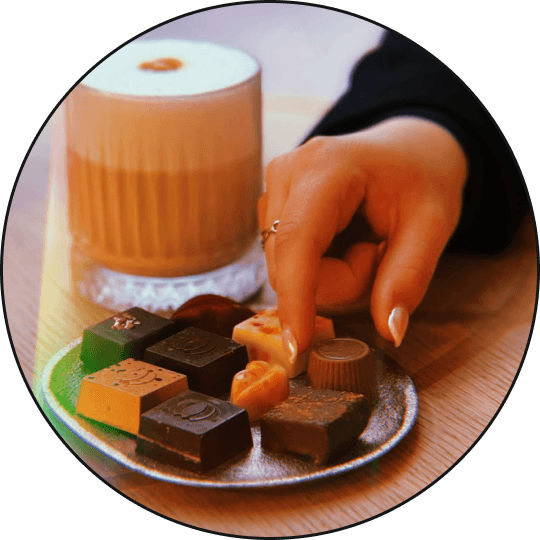
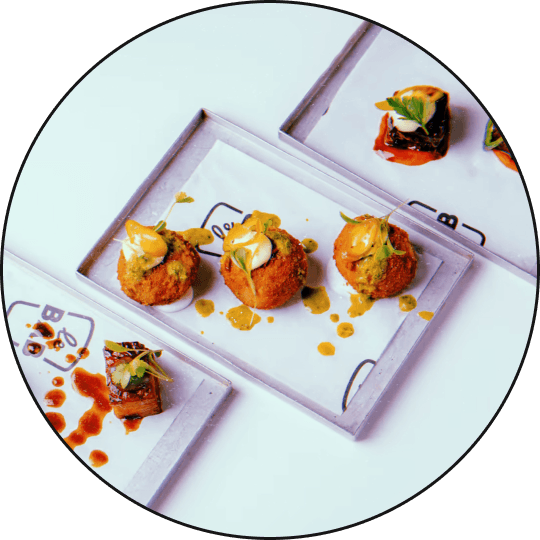
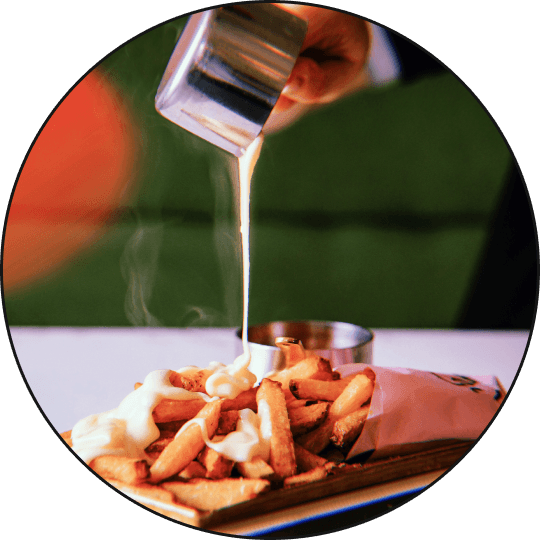
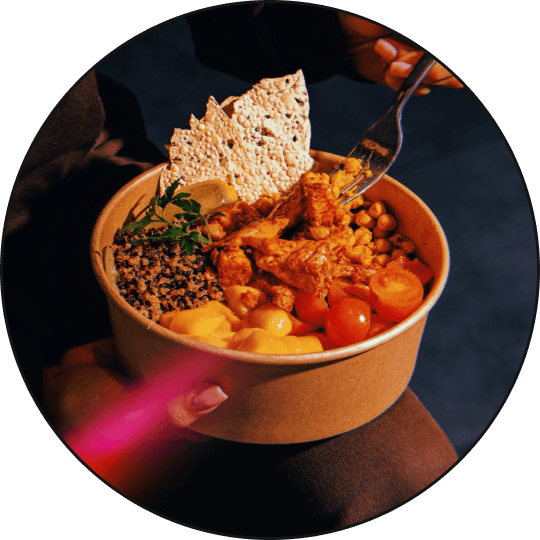
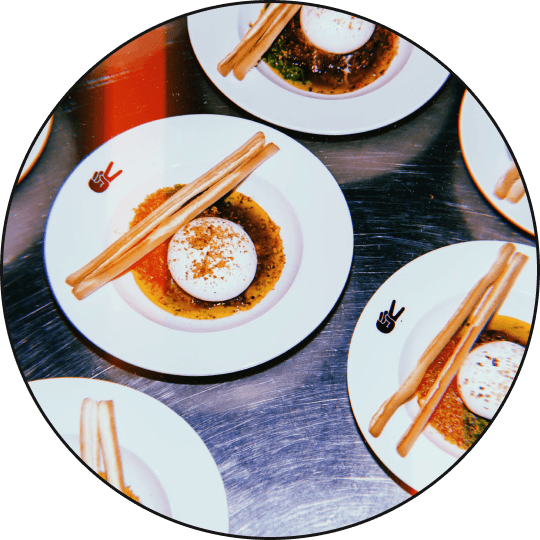
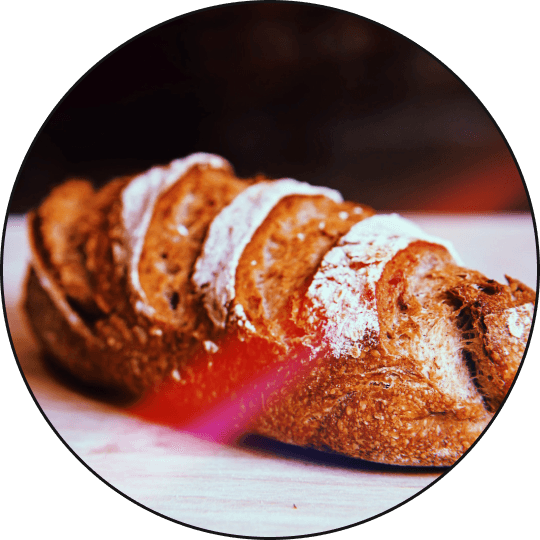
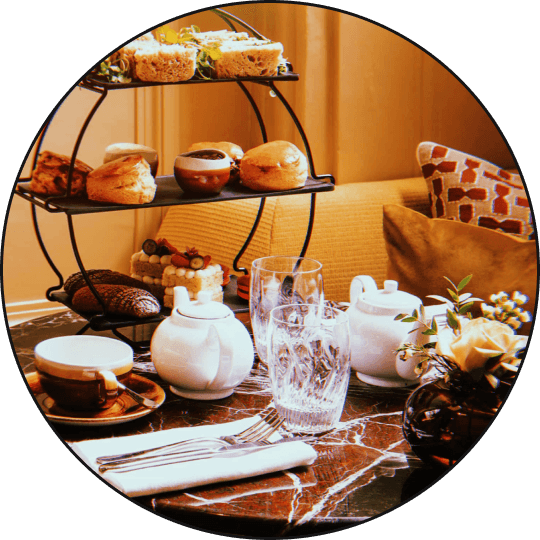
A free product from the range. A size up, an extra shot, a dessert with the meal, a premium wash instead of the basic one. An accessory with the purchase, a sample of something new, a service thrown in. Product rewards cover anything the business already sells or does, which means the reward can be chosen for what it costs, what it's worth, and what it introduces the customer to.
A product reward costs the business its cost price, but the customer values it at its retail price. That gap is why product rewards beat discounts. A €4 item that costs €0.80 to make feels like €4 to the customer and costs a fifth of a €4 discount. Each product reward carries its real cost in the catalog, so the margin case is visible when the reward is designed and counted when it's redeemed. High-margin items, slow sellers, and products you want customers to try make the best rewards.
At the till, the reward is applied as a line at zero, with stock drawn down at that location. In the checkout, it's added to the order and shipped with it. At a kiosk or order-at-table, it's selected like a menu item. Staff don't have to know the rule or override a price; the reward applies because the customer is eligible and the item is available. Where stock has run out at a location, the reward isn't offered there, and an alternative can take its place.
Which item to offer is a decision the program can make. A customer who has never bought from a category is offered something from it, because a free trial is how new categories get adopted. A regular is offered the thing they buy anyway, because that's what they'll value. Decisioning chooses from the products the reward allows, weighing what this customer wants against what each option costs. And the result is tracked: whether a customer who received a free item went on to buy it, which is the measure of a product reward as an introduction as well as a thank-you.
Free product selection
Choose which products, upgrades, and extras are offered as rewards, based on cost, margin, and what you want customers to try.
Mechanic assignment
Decide which mechanics offer each product reward, as a stamp card prize, a points redemption, a tier perk, or a recovery gesture
Reward stock coordination
Make sure reward items are stocked where they're redeemed, and update availability when a line is discontinued or out of stock.
Redemption overview
Check how often each product reward is redeemed and what it cost, on a set cadence, and retire or reprice what doesn't earn its place.
Reward communication
Tell members which product rewards are available to them, in the portal, the widget, and by email, so rewards are claimed and not forgotten.